Understanding Your Sleep Cycles: Light, Deep, and REM
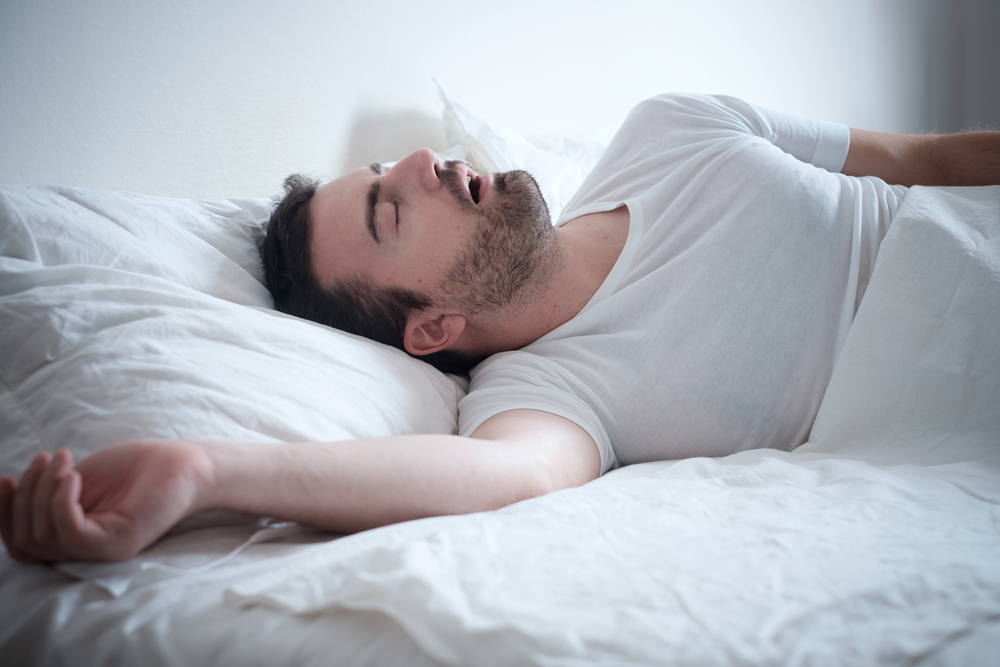
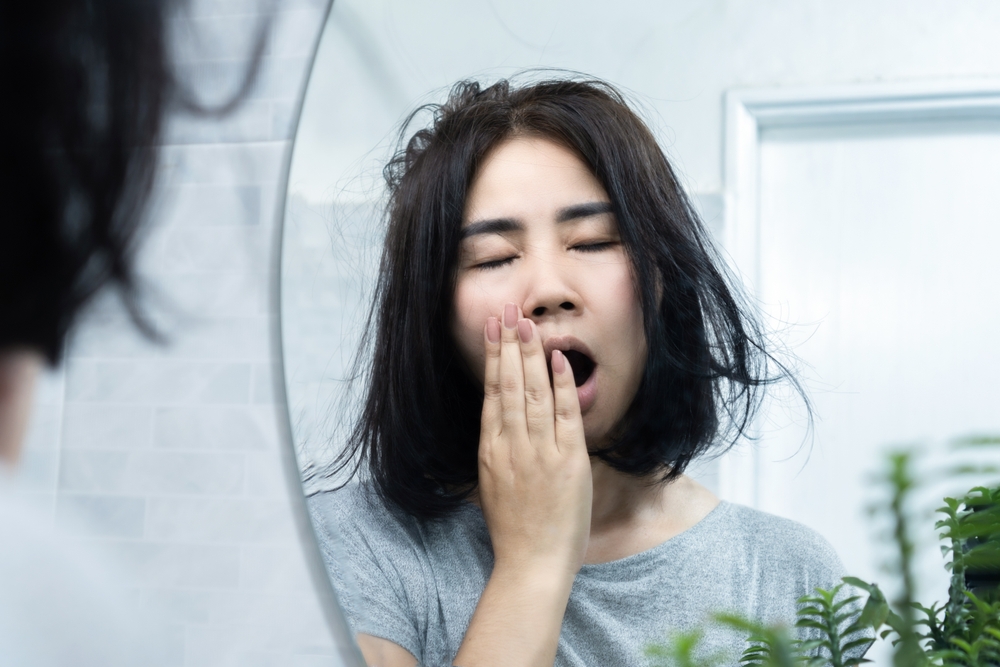
Why Eight Hours Isn't the Whole Story You set the alarm. You got your eight hours. So why do you still wake up feeling like you never slept at all? If that sounds familiar, you're not alone—and you're not imagining it. The truth is, sleep quality isn't just about how many hours you spend in bed. It's about what your body and brain are actually doing during those hours. Understanding your sleep cycles is one of the most important—and most overlooked—pieces of the sleep puzzle. At the Encino Center for Sleep & TMJ Disorders, Dr. Simmons works with patients throughout the Los Angeles area who are getting "enough" sleep on paper but still struggling with fatigue, brain fog, and poor recovery. In many cases, the issue isn't how long they're sleeping—it's how well their body is moving through the distinct stages of sleep throughout the night. To learn more or to schedule a consultation, call us at (818) 300-0070. The Architecture of a Night's Sleep Sleep isn't a single, steady state of rest. From the moment you close your eyes to the moment you wake up, your brain and body cycle through a carefully choreographed series of stages—repeating roughly every 90 minutes, four to six times per night. Each cycle moves through three main stages: light sleep, deep sleep, and REM (rapid eye movement) sleep. These stages serve completely different functions. Disrupting one has consequences that the others can't make up for. Sleep Stage NREM/REM Share of Night Primary Function When It Peaks Light Sleep (Stages 1 & 2) NREM ~50% Memory consolidation, motor learning, transition to deeper sleep Throughout the night Deep Sleep (Stage 3) NREM ~20–25% Physical repair, immune support, growth hormone release Early cycles (first half of night) REM Sleep REM ~20–25% Emotional processing, long-term memory, and creativity Late cycles (final hours of the night) Think of a full night's sleep less like a long pause button and more like a workout routine—one where each set targets a different muscle group. Skip the warm-up, and you risk injury. Cut the session short, and you shortchange your results. Stage One and Two: Light Sleep Light sleep is where your night begins. In Stage 1, the transition from wakefulness to sleep, your body starts to relax, your heart rate slows, and your brain activity begins to shift. This stage lasts only a few minutes and is easily disrupted—a sound, a shift in temperature, or a buzzing phone can pull you right back out of it. Stage 2 is where light sleep truly settles in. Your body temperature drops further, your muscles relax more deeply, and your brain produces short bursts of rhythmic activity called sleep spindles—a sign that it's beginning to consolidate information from the day. Your heart rate and breathing continue to slow and stabilize. Light sleep makes up roughly 50% of a typical night. While it might seem like the "least important" stage, it plays a real role in memory consolidation, motor learning, and giving your body the sustained rest it needs to move into the deeper, more restorative stages that follow. Stage Three: Deep Sleep (Slow-Wave Sleep) Deep sleep—also called slow-wave sleep or Stage 3 NREM sleep—is the hardest stage to wake from and arguably the most physically restorative. During this stage, your brain produces slow, synchronized waves, your body reaches its lowest level of activity, and your muscles are profoundly relaxed. Deep sleep is most abundant in the earlier cycles of the night, which is one reason why going to bed significantly later than usual can leave you feeling so unwell the next day, even if you sleep in to compensate. Several common factors suppress deep sleep, including alcohol (even moderate amounts), high stress, elevated body temperature, and age. Many of Dr. Simmons' patients are surprised to learn how dramatically their deep sleep quality changes once underlying issues—like sleep apnea or TMJ-related sleep disruption—are properly addressed. REM Sleep: Where the Brain Does Its Work REM sleep is the stage most people have heard of, and for good reason—it's remarkable. During REM, your eyes move rapidly beneath your eyelids, your brain becomes nearly as active as it is when you're awake, and most vivid dreaming occurs. At the same time, your body is essentially paralyzed, preventing you from acting out those dreams. Here's what makes REM sleep particularly vulnerable: unlike deep sleep, which dominates the earlier part of the night, REM sleep becomes progressively longer in the later cycles—especially in the final one or two cycles before your natural wake time. If your alarm cuts your sleep short by even an hour, you are disproportionately sacrificing REM sleep. This is a pattern Dr. Simmons sees frequently in busy professionals and parents in the Encino area: they're asleep by midnight, up by five-thirty, and wondering why they feel emotionally flat and mentally sluggish despite getting five and a half hours. How Sleep Cycles Shift Throughout the Night One of the most important things to understand about sleep cycles is that they are not equal from beginning to end. Early in the night—typically in the first two to three cycles—your body prioritizes deep sleep. This is when the most intensive physical repair happens. As the night progresses, deep sleep becomes shorter and less intense, while REM sleep expands and takes a greater share of each cycle. This means that a full night of sleep isn't just "more" sleep—it's qualitatively different from a short night. The first few hours give your body what it needs physically. The final few hours give your mind what it needs emotionally and cognitively. Both halves matter, and neither can fully substitute for the other. Signs Your Sleep Cycles May Be Off Most people don't need a sleep study to notice that something isn't right. Some of the most common signs that your sleep cycles are being disrupted include: Waking up Unrefreshed despite what feels like a full night of sleep. If you're consistently groggy even after seven or eight hours,
How Athletes Can Optimize Sleep for Recovery
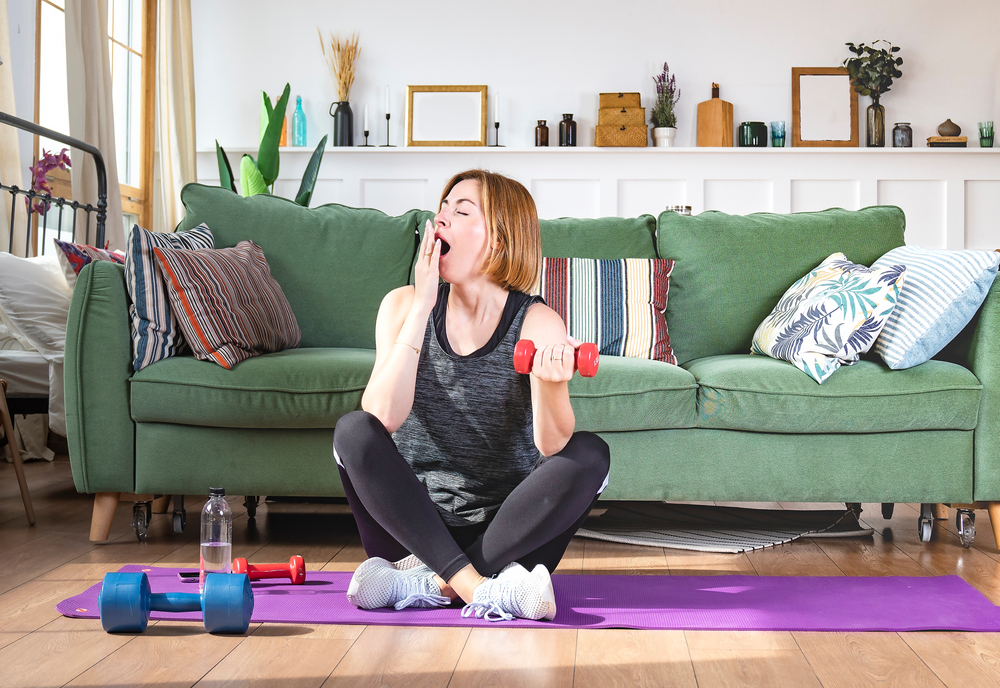
How Athletes Can Optimize Sleep for Recovery The Missing Piece in Your Training Plan: Sleep Sleep is the most powerful recovery tool available to athletes—and the most overlooked. We invest in protein shakes, compression gear, ice baths, and foam rollers, yet most athletes continue to cut sleep short to fit in one more workout, finish a film session, or simply stay up scrolling. If you're serious about performance, that habit is costing you more than you realize. At the Encino Center for Sleep & TMJ Disorders, Dr. Simmons works with patients across the Los Angeles area who are experiencing the profound consequences of poor sleep—from chronic fatigue to impaired healing. Whether you're a weekend warrior, a competitive amateur, or a high-level athlete, understanding how to optimize your sleep is one of the most impactful decisions you can make for your performance and long-term health. To learn more about how sleep affects your body, or to schedule a consultation with our Encino sleep clinic, call us at (818) 300-0070. Why Sleep Is the Ultimate Recovery Tool Your body does its most important work while you sleep. During deep sleep stages, the pituitary gland releases human growth hormone (HGH), which stimulates muscle repair and protein synthesis—the very processes that allow your muscles to rebuild stronger after training. Tissue damage sustained during hard workouts is addressed, inflammation is managed, and energy stores are replenished, all while you're unconscious. Sleep also matters enormously for the brain. Reaction time, decision-making speed, spatial awareness, and the consolidation of motor skills all depend on quality rest. A basketball player who spent the afternoon drilling free throws actually builds stronger neural pathways for that skill during the night that follows—not during practice itself. The same is true for footwork, shooting mechanics, swim strokes, and every other movement pattern athletes work to refine. When sleep is cut short, the consequences are measurable. Research has linked sleep deprivation in athletes to slower sprint times, decreased accuracy, reduced endurance, and a significantly elevated risk of injury. The immune system also suffers, making sleep-deprived athletes more susceptible to illness and slower to recover from soft tissue damage. Learning About Sleep Architecture for Athletes Sleep is not a uniform state of rest. Each night, your body cycles through distinct stages: NREM (non-rapid eye movement) sleep and REM (rapid eye movement) sleep. These stages repeat in roughly 90-minute cycles throughout the night, and each one serves a different purpose: Deep sleep (slow-wave NREM sleep) is where the majority of physical recovery happens. This is when HGH is released, muscles are repaired, and the immune system is strengthened. For athletes under heavy training loads, maximizing deep sleep is essential. REM sleep is the brain's restoration phase. During REM, the brain processes the day's learning, consolidates motor patterns, and manages emotional regulation. Cutting the night short—even by an hour or two—disproportionately shortens REM sleep, which tends to dominate the final cycles of the night. This is why both quantity and quality of sleep matter. Eight hours in a room that's too warm, with multiple disturbances, delivers far less value than a full, uninterrupted night in an optimal environment. How Much Sleep Do Athletes Actually Need? The standard adult recommendation of seven to nine hours is a starting point, not a ceiling. For athletes in active training, research suggests aiming for eight to ten hours per night—and some elite performers have famously prioritized as much as twelve. The right number depends on several factors: the volume and intensity of your training, your age (younger athletes and adolescents need more), your sport (team sports with high cognitive demands may require more REM sleep than endurance-focused disciplines), and your individual recovery baseline. Warning signs that you may be chronically under-sleeping—even if you feel "used to it"—include: Persistent muscle soreness that doesn't resolve with rest days Elevated resting heart rate in the morning Declining performance despite consistent training Increased irritability, difficulty concentrating, or low motivation Frequent illness or slow recovery from minor injuries Sleep debt is cumulative. The body does not fully adapt to less sleep; it simply becomes less aware of how impaired it is. Building a Sleep-Optimized Routine The single most powerful tool for improving sleep quality is consistency. Going to bed and waking up at the same time every day—including days off from training—anchors your circadian rhythm and makes falling and staying asleep significantly easier. In the 60 to 90 minutes before bed, the goal is to gradually shift your body and brain from alert to restful. Practical steps include: Dim your lights. Light is the primary signal that regulates melatonin production. As evening approaches, shift from bright overhead lighting to softer, warmer sources. Avoid bright screens during this window, or use blue-light filtering settings. Cool your room. Core body temperature naturally drops as part of sleep onset. A room temperature between 65°F and 68°F supports this process. For athletes who run warm after evening training, a cool shower before bed can also help accelerate the transition. Wind down intentionally. Whether that looks like light stretching, breathing exercises, reading a physical book, or listening to calm audio, the goal is the same: signal to your nervous system that the day is done. Protect your mornings, too. Morning habits have a surprisingly large effect on that night's sleep. Getting natural light exposure within 30 minutes of waking anchors your circadian rhythm and improves your ability to fall asleep at the appropriate time that evening. Nutrition and Sleep: What to Eat (and Avoid) What you eat—and when—affects your ability to fall asleep, stay asleep, and recover overnight. For athletes, the relationship between nutrition and sleep is especially important: Foods that support sleep quality include those rich in tryptophan (turkey, dairy, bananas), magnesium (almonds, leafy greens, pumpkin seeds), and complex carbohydrates that help transport sleep-promoting amino acids to the brain. A light, balanced snack one to two hours before bed can actually improve overnight recovery for athletes in heavy training. Caffeine has a half-life of approximately five to six hours,
Sleep Solutions for Busy College Students
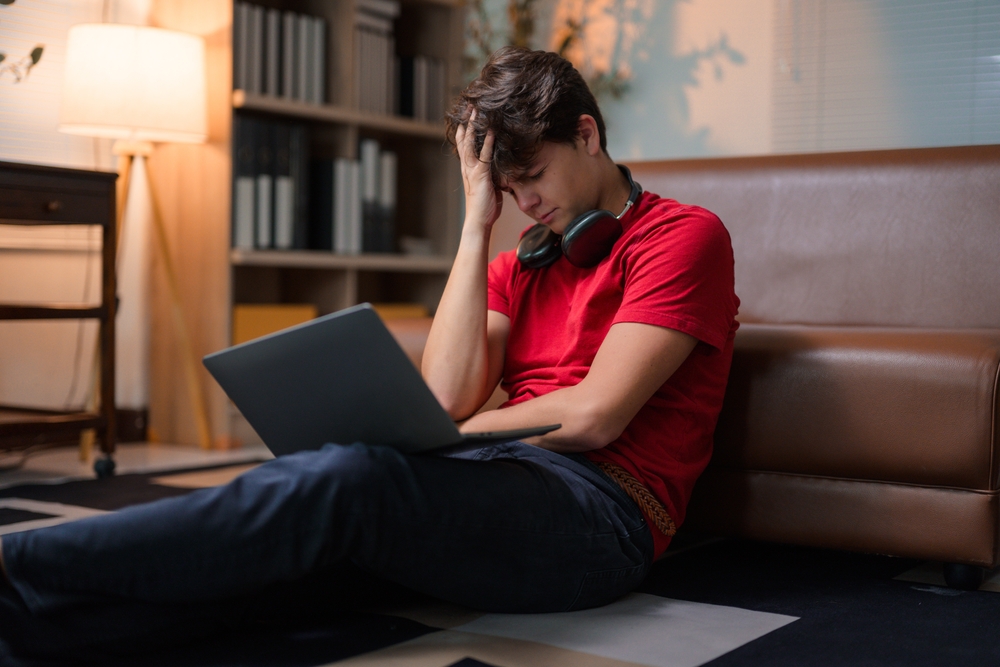
Sleep Solutions for Busy College Students Why College Students Can't Sleep (And How To Fix It) If you're a college student reading this at 2 a.m. between study sessions, you're not alone. Approximately 70% of college students get insufficient sleep, and the consequences go far beyond feeling groggy in lectures. Chronic sleep deprivation tanks your GPA, increases anxiety and depression, weakens your immune system, and ironically makes studying take twice as long because your brain can't process information efficiently. The good news? You don't need to overhaul your entire life to sleep better. Here are practical, realistic strategies designed for the chaos of college life. The Sleep Reality Check You need 7-9 hours of sleep per night—not 5 hours during the week with weekend catch-up sessions. Your body doesn't work like a bank account. Sleep debt accumulates, and weekend recovery doesn't fully restore cognitive function. Research shows that each hour of sleep lost corresponds to a 0.07 decrease in GPA, and students who pull all-nighters consistently perform worse on exams than those who get even modest sleep. Create a Sleep-Friendly Environment Even in a dorm, you can make meaningful improvements to creating a sleep sanctuary. Use a sleep mask or cover LED lights from chargers and devices—even small amounts of light suppress melatonin. White noise apps or a small fan can mask hallway conversations and roommate sounds. Keep your room cool (65-68°F is ideal) with a fan or lighter bedding if you can't control the thermostat. Most importantly, make your bed a sleep-only zone. Don't study, eat, or scroll on your phone in bed. Train your brain to associate your bed exclusively with sleep. Smart Scheduling Strategies Wake up at the same time every day, including weekends. This consistency anchors your circadian rhythm and is the single most powerful sleep improvement you can make. Strategic napping can help if you're sleep-deprived—but only 20 minutes, taken before 3 p.m. Longer naps or late-afternoon naps will interfere with nighttime sleep. Front-load your week when possible. Completing more work Monday through Wednesday reduces end-of-week stress and Sunday night anxiety that keeps you awake. Evening Routine Essentials Create a 30-minute wind-down routine before bed. This might just be brushing your teeth, laying out tomorrow's clothes, and reading a paper book. Set a screen curfew 30-60 minutes before bed. Blue light suppresses melatonin, but the bigger problem is that social media and homework are cognitively stimulating. Plug your phone across the room so you're not tempted. Cut off caffeine by 2 p.m. Caffeine has a half-life of 5-6 hours, so that 4 p.m. coffee is still 50% active at 10 p.m. Try the 4-7-8 breathing technique when you can't quiet your mind: breathe in for 4 counts, hold for 7, exhale for 8. Repeat four times. Other meditation techniques can also be very helpful. Study Smarter, Not Longer Well-rested students accomplish in two focused hours what sleep-deprived students struggle through in four. Use the Pomodoro Technique (25 minutes of focused work, 5-minute break) to maintain intensity without burnout. Take advantage of tutoring centers, study groups, and professor office hours to learn material more efficiently than struggling alone at midnight. Learn to say no. Protecting sleep sometimes means declining social invitations or stepping back from a commitment. Showing up well to fewer things beats showing up exhausted to everything. When Sleep Problems Persist If you've been lying awake for 20 minutes, get up. Do something boring in dim light until you feel sleepy. This prevents your brain from associating bed with frustrated wakefulness. Try a "worry journal"—when anxious thoughts arise at night, write them down. This externalizes worry and gives you permission to address it tomorrow rather than ruminating at 3 a.m. When to Seek Professional Help Seek help if you experience persistent difficulty sleeping for more than a few weeks, feel excessively sleepy despite adequate time in bed, snore loudly or wake gasping, or struggle to function during the day as these can be helpful in diagnosing sleep apnea. Most campuses offer free counseling services for sleep issues related to anxiety or depression, and student health centers can evaluate for sleep disorders like sleep apnea. For students in the Los Angeles area who need specialized care beyond campus resources, Dr. Simmons at the Encino Center for Sleep & TMJ Disorders offers comprehensive evaluation and treatment for sleep disorders. You can reach the center at (818) 300-0070 to schedule a consultation. Start Tonight Pick one or two changes that feel manageable—maybe setting a consistent wake time and creating a 30-minute screen curfew. Try them for a week and notice what shifts. Remember: sleep isn't laziness. It's the foundation that makes everything else possible. The most successful students aren't the ones who sleep the least—they're the ones who've figured out how to protect their sleep while managing their responsibilities. Your challenge: commit to one sleep improvement this week. Your future self—the one who's alert in class, retains what they study, and actually enjoys college—will thank you.
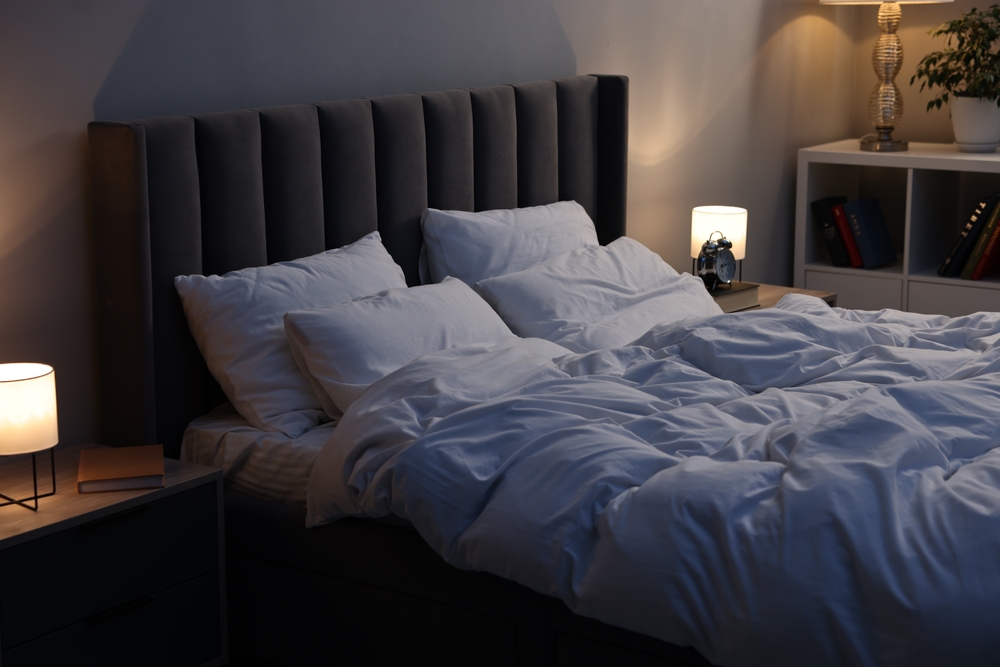
Sleep Music, Brown Noise, and Soundscapes: Do They Actually Help You Sleep Better?
Sleep Music, Brown Noise, and Soundscapes: Do They Actually Help You Sleep Better? Can't Sleep? Why Brown Noise Might Be Your New Best Friend If you've ever found yourself lying awake at 2 AM, desperately scrolling through sleep playlists or nature sound apps, you're not alone. Millions of people turn to audio aids in the hope of drifting off peacefully, but do these popular sleep solutions actually work? Our sleep specialist in Encino, CA, Dr. Michael Simmons, can help you understand the science behind sleep music, brown noise, and soundscapes to separate fact from fiction. If you're struggling with persistent sleep issues that audio aids alone can't resolve, consider reaching out to the Encino Center for Sleep & TMJ Disorders at (818) 300-0070 for professional evaluation and personalized treatment options. The Science of Sound and Sleep Before exploring specific audio types, it's important to understand how sound affects our sleep. Our brains don't completely shut off during sleep—they continue processing auditory information throughout the night. The key is finding sounds that promote relaxation without causing arousal or disruption. Research shows that certain types of audio can influence our sleep in several ways: Masking disruptive noises from traffic, neighbors, or household sounds Triggering relaxation responses by activating the parasympathetic nervous system Creating consistent auditory environments that prevent sudden wake-ups Establishing sleep associations through conditioning over time Sleep Music: Melodies for Rest Sleep music typically features slow tempos (60-80 beats per minute), minimal lyrics, and gentle instrumentation. Classical pieces, ambient compositions, and specially designed sleep tracks fall into this category. What the Research Says Several studies have demonstrated the effectiveness of sleep music. A 2018 systematic review found that music interventions significantly improved sleep quality across various populations. The research showed that listening to music for 30-60 minutes before bed can reduce the time it takes to fall asleep and increase overall sleep satisfaction. Particularly effective are pieces with: Tempos that match a resting heart rate Minimal dynamic changes (sudden loud or soft sections) Repetitive, predictable patterns Natural decay and fade-outs Best Practices for Sleep Music To maximize effectiveness, experts recommend keeping the volume low (around 30-40 decibels), using a sleep timer to prevent all-night playback, and choosing instrumental pieces over songs with lyrics, which can be cognitively stimulating. Brown Noise: The Deeper Cousin of White Noise While white noise contains all frequencies at equal intensity, brown noise emphasizes lower frequencies, creating a deeper, more rumbling sound reminiscent of distant thunder or ocean waves. Pink noise, another popular variant, falls between white and brown noise in terms of frequency distribution. The Evidence for Brown Noise Research on brown noise specifically is limited, but studies on noise colors generally show promising results. A 2017 study found that pink noise improved deep sleep and memory consolidation in older adults. Brown noise's deeper frequencies may be even more effective for some people, as lower frequencies are often perceived as more soothing and less intrusive. The theoretical benefits of brown noise include: Consistent sound masking that covers a wide range of disruptive frequencies Minimal cognitive processing is required, allowing the brain to relax Steady-state audio that doesn't draw attention or cause alertness Who Benefits Most from Brown Noise? People with racing thoughts, anxiety, or those living in noisy environments often report the greatest benefits from brown noise. Its consistent, non-melodic nature provides auditory focus without mental engagement, making it easier to let go of worries and drift off. Natural Soundscapes: Bringing the Outdoors In Nature soundscapes—rain, ocean waves, forest ambiance, thunderstorms—tap into our evolutionary relationship with natural environments. These sounds often incorporate elements of both rhythmic patterns and noise-like qualities. Research on Natural Sounds Studies have shown that nature sounds can reduce stress hormones like cortisol and activate the body's rest-and-digest response. A 2017 study published in Scientific Reports found that nature sounds shifted brain activity toward more restorative patterns compared to artificial noise. Popular natural soundscapes and their benefits include: Rain sounds: Consistent pattern with natural white noise qualities Ocean waves: Rhythmic cycles that can synchronize with breathing Forest ambiance: Complex but non-stimulating audio environment Gentle thunderstorms: Deep rumbles similar to brown noise with added atmospheric interest The Verdict: Do They Really Work? The answer is a qualified yes, but with important caveats. The effectiveness of sleep audio depends on several factors: Individual Differences Matter Sleep audio preferences are highly personal. Some people find any sound stimulating and sleep better in complete silence, while others need consistent background noise to feel secure and relaxed. Age, hearing sensitivity, and personal associations all play roles in effectiveness. Quality and Context Are Crucial Not all sleep audio is created equal. High-quality recordings without sudden volume changes, loops, or jarring transitions are essential. The listening environment matters too—comfortable headphones, appropriate volume levels, and consistent playback equipment all influence results. Timing and Habits The most successful users typically establish consistent routines, playing their chosen audio 30-60 minutes before intended sleep time. This creates positive sleep associations and signals to the brain that it's time to wind down. Practical Tips for Success If you're interested in trying sleep audio, consider these evidence-based approaches: Start Simple: Begin with one type of audio rather than mixing different sounds or frequently changing selections. Volume Control: Keep audio at or below normal conversation levels. If you can hear it clearly, it's probably too loud. Trial Period: Give any new sleep audio at least a week of consistent use before evaluating its effectiveness. Sleep Hygiene First: Audio aids work best when combined with good sleep hygiene practices like consistent bedtimes, cool room temperatures, and limited screen time. Consider Individual Factors: Your living situation, stress levels, and natural sleep patterns all influence what might work best for you. Your Next Steps to Better Sleep Sleep music, brown noise, and natural soundscapes can be valuable tools for better rest, but they're not magic solutions. The scientific evidence supports their use, particularly for people dealing with environmental noise, racing thoughts, or stress-related sleep difficulties. Success with sleep audio requires

The Role of Supplements Like Melatonin, Magnesium, and CBD in Sleep
Find Better Sleep Through Natural Support Getting quality sleep is essential for our physical health, mental well-being, and daily performance. Yet millions of Americans struggle with sleep issues, leading many to explore natural supplements as potential solutions. At Encino Center for Sleep & TMJ Disorders, our sleep specialist in Encino, Dr. Simmons, frequently discusses with patients how certain supplements might support their sleep goals alongside professional treatment. While supplements aren't magic bullets for sleep disorders, research suggests that melatonin, magnesium, and CBD may offer benefits for certain sleep challenges when used appropriately. If you're struggling with sleep issues and considering supplements, don't go it alone. Contact Encino Center for Sleep & TMJ Disorders at (818) 300-0070 to discuss your options with Dr. Simmons and ensure you're taking the safest, most effective approach to better sleep. What Are Sleep Supplements? Sleep supplements work differently from prescription sleep medications. Rather than forcing sleep, quality supplements typically support your body's natural sleep processes. They may help regulate circadian rhythms, reduce anxiety that interferes with sleep, or address nutritional deficiencies that impact sleep quality. However, it's crucial to understand that supplements are not regulated by the FDA in the same way as medications, and individual responses can vary significantly. What works for one person may not work for another, which is why professional guidance is so valuable. Melatonin: Your Body's Natural Sleep Signal Melatonin is perhaps the most well-known sleep supplement, and for good reason. Your pineal gland naturally produces this hormone and plays a crucial role in regulating your circadian rhythm—your body's internal clock. How Melatonin Works Your body typically begins producing melatonin in the evening as darkness falls, signaling that it's time to prepare for sleep. Light exposure, particularly blue light from screens, can suppress melatonin production, which is one reason why evening screen time can interfere with sleep. Research on Melatonin Studies have shown melatonin can be particularly effective for: Jet lag recovery Shift work sleep disorder Delayed sleep phase syndrome Some cases of insomnia, especially in older adults Proper Melatonin Use The key to melatonin effectiveness is timing and dosage. Many people take too much melatonin or take it at the wrong time. Research suggests that smaller doses (0.5-3mg) taken 1 to 2 hours before desired bedtime are often more effective than larger doses taken right before bed. Magnesium: The Relaxation Mineral Magnesium is involved in over 300 enzymatic reactions in the body, including several that impact sleep and relaxation. Unfortunately, many Americans don't get enough magnesium from their diets. How Magnesium Supports Sleep Magnesium helps regulate neurotransmitters that promote relaxation and sleep, including GABA (gamma-aminobutyric acid). It also helps regulate melatonin production and can reduce cortisol levels, which may be elevated due to stress. Types of Magnesium for Sleep Different forms of magnesium have varying absorption rates and effects: Magnesium glycinate: Often recommended for sleep due to good absorption and calming effects Magnesium citrate: Well-absorbed but may have a laxative effect Magnesium oxide: Less well-absorbed and primarily used for digestive issues Research Findings Studies suggest magnesium supplementation may help with: Falling asleep faster Improving sleep quality Reducing restless leg syndrome symptoms Managing stress and anxiety that interfere with sleep CBD: The Emerging Sleep Aid Cannabidiol (CBD) has gained significant attention as a potential sleep aid. Unlike THC, CBD doesn't produce psychoactive effects but may influence the endocannabinoid system, which plays a role in sleep regulation. How CBD May Affect Sleep CBD appears to work differently from traditional sleep aids. Research suggests it may: Reduce anxiety that prevents sleep Interact with receptors involved in the sleep-wake cycle Potentially increase overall sleep time Improve REM sleep behavior disorder symptoms What the Research Shows While research on CBD for sleep is still developing, some studies indicate potential benefits: A 2019 study found that 79% of participants experienced decreased anxiety and 67% reported better sleep within the first month of CBD use Animal studies suggest CBD may increase sleep duration Some research indicates CBD might help with REM sleep behavior disorder Important Considerations for CBD CBD products vary widely in quality, concentration, and purity. Since the supplement industry is not strictly regulated, it's essential to choose high-quality products from reputable manufacturers. Additionally, CBD can interact with certain medications, making professional consultation important. Combining Supplements: Synergistic Effects Some people find that combining these supplements provides better results than using them individually. For example: Magnesium and melatonin work well together since magnesium supports natural melatonin production CBD may enhance the relaxation effects of magnesium All three supplements address different aspects of sleep challenges However, combining supplements should be done carefully and ideally under professional guidance to avoid interactions and ensure appropriate dosing. When to Consider Professional Help While supplements can be helpful tools for improving sleep, they're not appropriate for everyone or every sleep problem. Consider consulting with a sleep specialist when you experience: Chronic insomnia lasting more than a few weeks Sleep apnea symptoms (snoring, gasping during sleep, daytime fatigue) Restless leg syndrome Persistent daytime sleepiness despite adequate sleep time Sleep issues that significantly impact your daily life Concerns about interactions with existing medications Safety Considerations and Best Practices Start Low and Go Slow Begin with the lowest effective dose of any supplement and gradually increase if needed. This approach helps minimize side effects and allows you to find your optimal dose. Quality Matters Choose supplements from reputable manufacturers that provide third-party testing results. Look for certifications from organizations like NSF International or USP. Timing is Important Melatonin: 1-2 hours before desired bedtime Magnesium: Can be taken in the evening or split throughout the day CBD: Effects may be felt within 30-60 minutes, so time accordingly Monitor Your Response Keep a sleep diary to track how supplements affect your sleep quality, duration, and how you feel the next day. This information is valuable for both personal adjustment and professional consultations. The Importance of Good Sleep Hygiene Supplements work best when combined with good sleep hygiene practices: Maintain a consistent sleep schedule Create a comfortable,
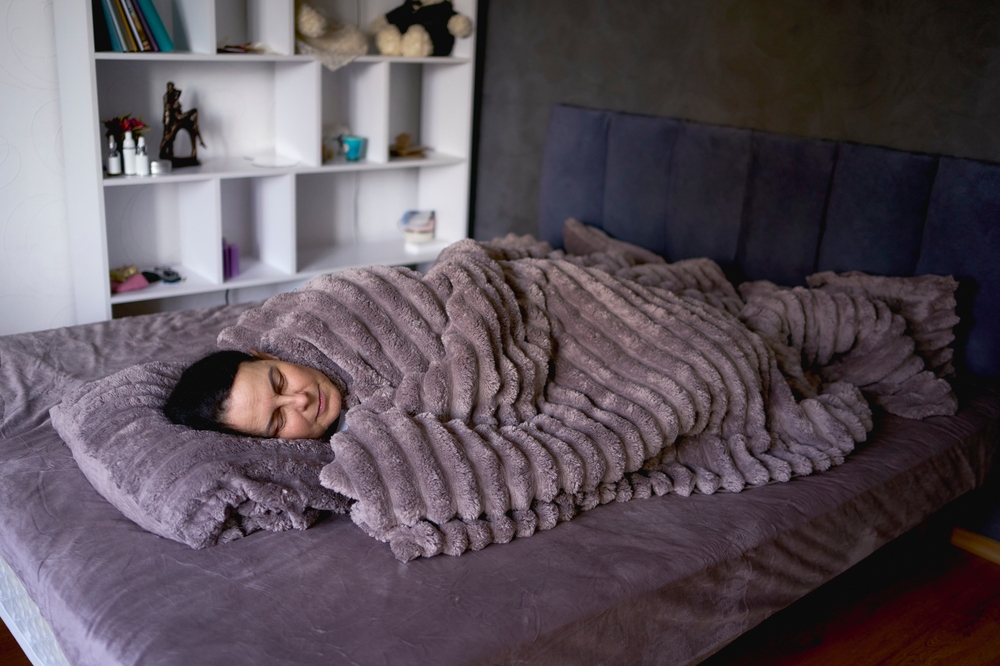
Weighted Blankets for Anxiety and Sleep
A Closer Look at Anxiety, Sleep Struggles, and Relief Options If you’ve ever lain awake at night with racing thoughts or felt your body remain tense long after the day is over, you’re not alone. Anxiety and sleep difficulties affect millions of adults and often overlap, creating a cycle that can be difficult to break. As people look for supportive, non-invasive ways to improve rest, weighted blankets have grown in popularity. At the Encino Center for Sleep & TMJ Disorders in Encino, CA, Dr. Simmons often speaks with patients who are exploring complementary tools to support better sleep and reduce nighttime anxiety. Weighted blankets are one option that frequently comes up in these conversations. If anxiety or sleep issues are interfering with your daily life, guidance from a sleep-focused professional can make a meaningful difference. Contact Dr. Simmons at the Encino Center for Sleep & TMJ Disorders in Encino, CA, at (818) 300-0070 to learn more about personalized sleep care options. What Is a Weighted Blanket? A weighted blanket is a therapeutic blanket designed to be heavier than a standard comforter. The added weight is evenly distributed across the body to provide gentle, consistent pressure. Unlike traditional blankets that are primarily intended for warmth, weighted blankets focus on sensory input. They are available in a range of weights, typically between five and 30 pounds, and come in various sizes depending on whether they’re meant for individual use or a full bed. Most weighted blankets are filled with materials such as glass beads or plastic pellets sewn into small compartments to prevent shifting. Outer fabrics vary and may include cotton, fleece, bamboo-based textiles, or cooling blends designed for breathability. The Science Behind Weighted Blankets The potential benefits of weighted blankets are commonly linked to deep pressure stimulation (DPS). DPS is a type of sensory input that applies firm but gentle pressure to the body, similar to a comforting hug. This pressure may help regulate the nervous system by encouraging the body to move out of a heightened stress response and into a calmer state. Studies suggest DPS can influence neurotransmitters like serotonin and dopamine, which are associated with mood and relaxation, while helping reduce cortisol levels linked to stress. Dr. Simmons explains that calming the nervous system is often an important part of improving sleep quality, especially for patients dealing with chronic stress, anxiety, or sleep disruptions. How Weighted Blankets Help with Anxiety For individuals experiencing anxiety, weighted blankets may help create a grounding sensation that promotes a sense of safety and calm. The steady pressure can reduce physical restlessness and help quiet racing thoughts, particularly at night. Some research indicates that weighted blankets may lower perceived anxiety levels, especially in situations that typically trigger stress. Many users report feeling more relaxed before bed or during moments of overwhelm. While responses vary, patients at the Encino Center for Sleep & TMJ Disorders often ask Dr. Simmons about weighted blankets as a supportive option when anxiety contributes to difficulty winding down or staying asleep. How Weighted Blankets Help with Sleep Weighted blankets are frequently used to support sleep by encouraging relaxation and improving comfort at bedtime. The calming effects of deep pressure stimulation may help shorten the time it takes to fall asleep and promote more settled rest throughout the night. Some users report fewer awakenings and less tossing and turning. Research on sleep challenges, including insomnia, suggests weighted blankets may improve sleep quality for certain individuals when used appropriately. Dr. Simmons emphasizes that while weighted blankets can be helpful, they work best as part of a comprehensive sleep strategy rather than as a standalone solution. Who Can Benefit Most? Weighted blankets may be particularly helpful for individuals who experience: Generalized anxiety or chronic stress Difficulty falling or staying asleep Sensory processing sensitivities, including those associated with ADHD or autism spectrum disorder Ongoing mental or physical tension from daily demands That said, many people without diagnosed conditions also find weighted blankets comforting and beneficial for relaxation. Choosing the Right Weighted Blanket A common recommendation is selecting a weighted blanket that is approximately 10% of your body weight, though comfort preferences should always guide the final choice. Size is another important factor. Some people prefer a blanket that fits their mattress, while others choose one sized specifically to their body to prevent excess weight from pulling off the bed. Material and temperature regulation are also key considerations. Breathable fabrics and cooling features may be helpful for those who tend to sleep warm, while heavier fabrics may appeal to individuals who prefer a cozier feel. Important Safety Considerations Weighted blankets are not appropriate for everyone. Young children, individuals with respiratory conditions, circulation issues, or mobility limitations should avoid using them unless cleared by a healthcare provider. Users should always be able to move freely and remove the blanket without assistance. If you have underlying health concerns or questions about whether a weighted blanket is right for you, Dr. Simmons recommends consulting a qualified sleep professional before use. Tips for Getting Started If you’re new to weighted blankets, start gradually. Using the blanket during relaxation time or short naps can help your body adjust before using it overnight. Combining a weighted blanket with healthy sleep habits—such as maintaining a consistent bedtime, limiting screen use before bed, and creating a calm sleep environment—can improve results. It’s also important to set realistic expectations. Some people notice benefits quickly, while others may need time to adapt. A Path Forward for Calmer Nights and Clearer Days When restless nights and anxious thoughts begin to affect your energy, focus, and quality of life, it may be time to seek support from a sleep-focused professional who understands what you’re experiencing. Dr. Simmons and the team at the Encino Center for Sleep & TMJ Disorders welcome individuals from Sherman Oaks, Tarzana, and Van Nuys who are looking for answers and meaningful guidance. Compassionate care and thoughtful evaluation can make a real difference in how you sleep and how you feel each day.

Sleep Tips for Shift Workers and Night Owls
Sleep Tips for Shift Workers and Night Owls If you've ever tried to fall asleep while the rest of the world is wide awake, you know the struggle is real. Whether you're a nurse finishing a night shift, a baker starting work at 3 AM, or simply someone whose internal clock runs a few hours behind everyone else's, getting quality sleep on an unconventional schedule can feel impossible. The good news? With the right strategies, you can get restorative sleep regardless of when your head hits the pillow. Dr. Simmons at the Encino Center for Sleep & TMJ Disorders has worked with countless shift workers and night owls to help them achieve better sleep, and these evidence-based tips can make a real difference. Your Circadian Rhythm Your circadian rhythm is your body's internal 24-hour clock, regulating everything from hormone production to body temperature. This biological timekeeper is heavily influenced by light exposure, which is why most people naturally feel alert during daylight and sleepy when it gets dark. When you work nights or keep late hours, you're asking your body to ignore its evolutionary programming. This misalignment can lead to more than just fatigue—research links chronic circadian disruption to increased risks of cardiovascular disease, metabolic issues, mood disorders, and weakened immune function. The key isn't to completely override your circadian rhythm but to gently persuade it to shift in a way that supports your schedule. Creating the Ideal Sleep Environment Your bedroom needs to become a cave, especially if you're sleeping during daylight hours. Light is the most powerful signal to your brain that it's time to be awake, so blocking it out is non-negotiable. Invest in quality blackout curtains that seal completely at the edges, or use a comfortable sleep mask. Keep your room cool—around 65-68°F—since your body temperature naturally drops during sleep. Use a white noise machine to mask irregular sounds like traffic and voices, and consider combining it with earplugs for maximum protection. If you live with others, communicate openly about your sleep schedule. A "do not disturb" sign, silencing your phone, and asking family members to use headphones during your sleep hours can make a significant difference. Learn more about creating the ideal sleep environment. Strategic Light Exposure Light is your circadian rhythm's primary time-setter, so use it strategically. Expose yourself to bright light during your "daytime" hours, even if those fall at midnight. Bright overhead lights, light therapy boxes, or well-lit areas help signal to your body that this is awake time. As you approach sleep time, start dimming the lights. Wear blue-light blocking glasses for the last two to three hours before bed, especially if you're using screens. If possible, wear sunglasses on your commute home after a night shift—even brief morning sunlight can reset your clock in the wrong direction. Dr. Simmons often works with shift workers to develop specific light therapy protocols, as the timing and intensity of light exposure can significantly impact how well your body adapts to an unconventional schedule. Nutrition and Meal Timing When you eat can be just as important as what you eat. Establish consistent meal times relative to your sleep-wake schedule rather than clock time. Have your largest meal during the middle of your waking period, not right before sleep. Avoid heavy, rich foods within two to three hours of sleep. If you need something before bed, opt for a light snack combining complex carbohydrates with a small amount of protein. Stop consuming caffeine at least six hours before your intended sleep time. Remember that caffeine has a half-life of about five hours, meaning half of it is still in your system long after that last cup of coffee. Read about the Best and Worst Foods to Eat Before Bed. Developing a Consistent Sleep Schedule Consistency is your most powerful tool. Try to go to sleep and wake up at the same times every day, including your days off. Your body thrives on predictability, even if that predictability happens at unconventional hours. If you must adjust your schedule on days off, keep the shift to no more than two hours. For rotating shifts, advocate for forward rotation (days to evenings to nights) rather than backward rotation, and shift your sleep time gradually by 30-60 minutes per day rather than jumping to the new schedule. Strategic napping can help—a short 20-30 minute power nap before a night shift can boost alertness. However, keep naps brief and timed for the middle of your waking period, not too close to your main sleep time. Pre-Sleep Routine for Unconventional Hours Your brain needs clear signals that sleep time is approaching. Start your wind-down routine at least 30-60 minutes before bed. This might include a warm shower, relaxation techniques like deep breathing or meditation, gentle stretching, or reading something enjoyable. Create a clear psychological boundary between work and sleep. Change out of your work clothes, and if you tend to ruminate about work, write down concerns in a journal to "park" them until later. Practical Workplace Strategies During your shift, maximize exposure to bright light, especially when you naturally feel drowsy. Taking movement breaks—walking, stretching, or simply standing up increases blood flow and fights drowsiness more effectively than caffeine alone. Don't hesitate to communicate with employers about scheduling concerns. Sleep difficulties among shift workers are increasingly recognized as occupational health concerns, and having documentation from a sleep specialist can help support your case for schedule modifications. When to Seek Professional Help Sometimes, despite your best efforts, sleep problems persist or worsen. Seek help from a sleep specialist if you experience persistent insomnia lasting more than three months, excessive daytime sleepiness that affects safety, loud snoring or breathing pauses during sleep, or if sleep problems are significantly impacting your mental health or job performance. At the Encino Center for Sleep & TMJ Disorders, Dr. Simmons specializes in helping patients with complex sleep issues, including those faced by shift workers and individuals with unconventional schedules. The practice offers comprehensive sleep evaluations, sleep studies,
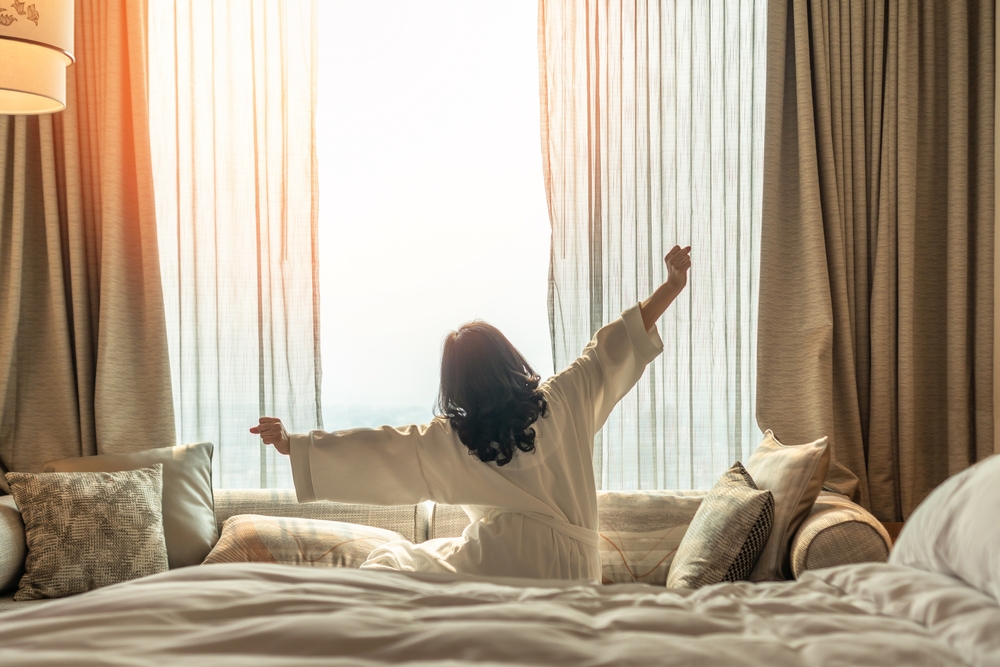
10 Proven Tips for Falling Asleep Faster Tonight
Get Some Rest Right Away With the Help From Our Encino Sleep Specialist We've all been there—lying in bed, staring at the ceiling, watching the minutes tick by as sleep stubbornly refuses to come. You're exhausted, but your mind won't quiet down, or your body just won't relax. The frustration builds with each passing hour, knowing you'll be dragging through tomorrow. The good news? You don't have to suffer through another sleepless night. Science has identified several proven strategies that can help you fall asleep faster and wake up feeling refreshed. These aren't gimmicks or old wives' tales—they're evidence-based techniques that work with your body's natural sleep mechanisms. About Our Encino Center At the Encino Sleep and TMJ Center, we specialize in diagnosing and treating sleep disorders and TMJ dysfunction. Led by Dr. Michael Simmons, our team provides comprehensive examinations to identify the underlying causes of conditions like sleep apnea, snoring, and TMJ-related pain. We recognize that these issues can significantly impact your daily life—from affecting your focus and energy levels to causing chronic discomfort that interferes with work and sleep. Our approach focuses on developing personalized treatment plans based on thorough evaluations. Whether you're dealing with sleep apnea that's affecting your cardiovascular health or TMJ pain that's disrupting your routine, we offer evidence-based solutions tailored to your specific condition. Our experienced team is committed to providing professional care that helps you achieve better sleep, reduce pain, and improve your overall quality of life. If you think your difficulty sleeping may have to do with sleep apnea or other sleep disorders, contact us at (818) 300-0070. 10 Tips For Better Sleep 1. Set a Consistent Sleep Schedule Your body has an internal clock called the circadian rhythm that regulates when you feel sleepy and when you feel alert. When you go to bed and wake up at the same time every day—yes, even on weekends—you train this clock to work more efficiently. Research shows that maintaining a regular sleep schedule is one of the most effective ways to improve sleep quality. Your body learns to anticipate sleep at your set bedtime, making it easier to drift off naturally. Start by choosing a realistic wake-up time and stick to it for at least a week. Once that feels natural, establish a bedtime that allows for 7-9 hours of sleep. The key is consistency. Even if you have trouble falling asleep at first, resist the urge to sleep in the next morning. Your body will adjust within a few days, and you'll find yourself naturally getting tired at your chosen bedtime. 2. Create a Cool, Dark Environment Temperature plays a crucial role in sleep quality. Studies have found that the optimal bedroom temperature for most adults falls between 60-67°F (15.5-19°C)[1,2]. This might feel cooler than you're used to, but there's good science behind it. As your body prepares for sleep, your core temperature naturally drops. A cool room facilitates this process, helping you fall asleep faster. Research published in Science of the Total Environment found that sleep efficiency dropped by 5-10% when bedroom temperatures increased from 77°F to 86°F[3]. When rooms are too warm, they interfere with your body's natural temperature regulation and can lead to restless, fragmented sleep. Darkness is equally important. Light exposure suppresses melatonin production—the hormone that signals your body it's time to sleep. Use blackout curtains, remove electronics with bright displays, or try a sleep mask to create complete darkness in your bedroom. 3. Try the 4-7-8 Breathing Technique This simple breathing exercise, developed by Dr. Andrew Weil, can help calm your nervous system and prepare your body for sleep. The technique is rooted in pranayama, an ancient yogic breathing practice. Here's how to do it: Place the tip of your tongue against the ridge behind your upper front teeth Exhale completely through your mouth, making a whooshing sound Close your mouth and inhale quietly through your nose for 4 counts Hold your breath for 7 counts Exhale completely through your mouth for 8 counts, making a whooshing sound Repeat the cycle 3-4 times A study published in Physiological Reports found that the 4-7-8 breathing technique improved heart rate variability and blood pressure by activating the parasympathetic nervous system—your body's natural relaxation response[4]. Research on patients with chronic conditions showed that this breathing pattern reduced anxiety and improved sleep quality when practiced regularly.[5] The more you practice this technique, the more effective it becomes. Many people report falling asleep before completing the fourth cycle once they've mastered the method. 4. Limit Screen Time Before Bed We've all heard this advice, but it bears repeating because it's so important. The blue light emitted by phones, tablets, and computers suppresses melatonin production, making it harder to fall asleep. A 2022 study found that smartphone use in bed led to significant increases in sleep latency—the time it takes to fall asleep.[6] But it's not just the light—it's also the content. Scrolling through social media, checking work emails, or watching exciting videos keeps your brain engaged and alert when it should be winding down. Try to avoid screens for at least one to two hours before bedtime. If you must use devices, enable night mode settings that reduce blue light, or wear blue-light-blocking glasses. Instead of screen time, use those evening hours for relaxing activities like reading a physical book, gentle stretching, or listening to calming music. 5. Use Progressive Muscle Relaxation Progressive muscle relaxation (PMR) is a technique that involves systematically tensing and then releasing different muscle groups throughout your body. This practice helps you become aware of physical tension and learn to release it, making it easier to fall asleep. Multiple studies have demonstrated PMR's effectiveness for improving sleep. Research published in the Journal of Sleep Research found that people who practiced PMR before sleep spent 125% more time in slow-wave sleep—the deepest, most restorative stage—compared to those who didn't[7]. Other studies on patients with COVID-19, rheumatoid arthritis, and postmenopausal women all found that PMR significantly improved sleep quality and
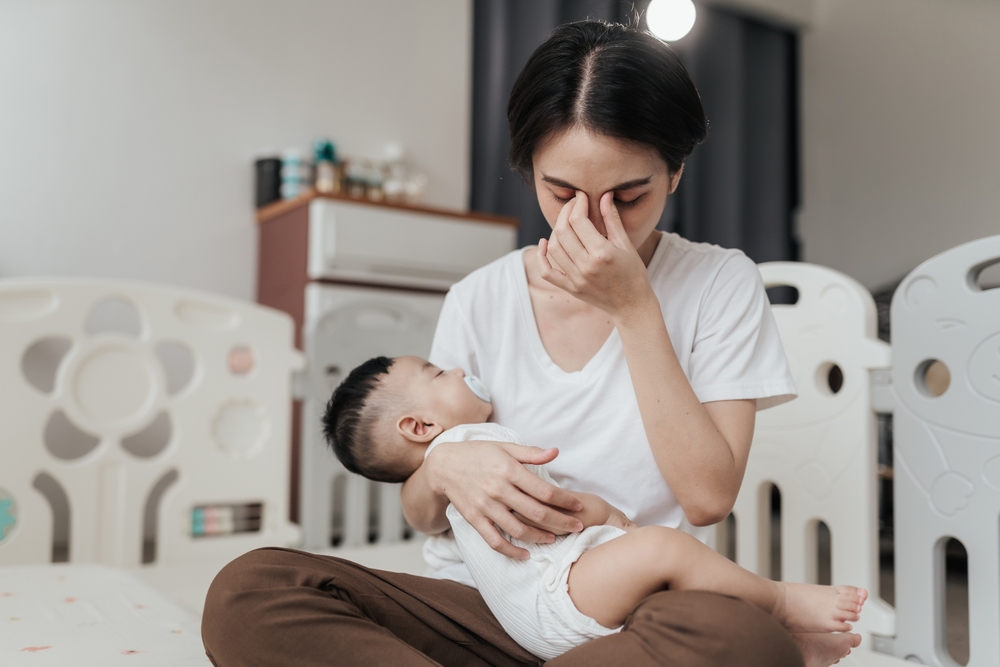
How Encino Parents Can Prioritize Sleep (Even with Kids at Home)
Get Some Sleep After Bedtime It's 10:47 PM. The kids are finally asleep, but the kitchen's a disaster, and you haven't had a moment to yourself all day. You know you should go to bed, but this quiet time feels precious. So you scroll on your phone, and suddenly it's midnight. Tomorrow, you'll be exhausted again—whether you're facing a morning carpool to Lanai Road Elementary or getting toddlers ready for the day. Sound familiar? Parents in Encino and the San Fernando Valley lose an average of 44 days of sleep during their child's first year, and the exhaustion doesn't stop there. But here's the truth: sleep isn't selfish—it's essential for being the parent your kids need. If you've tried everything and still can't get the rest you need, it might be time to talk to a specialist. At Encino Center for Sleep & TMJ Disorders, we understand the unique challenges parents face and offer comprehensive sleep evaluations right here in the Valley. Don't let another month go by running on empty—your family needs you at your best. Call us today at (818) 300-0070 to schedule a consultation and finally get the answers you deserve. Why Parent Sleep Actually Matters Sleep deprivation doesn't just make you tired. It weakens your immune system, affects your mood and patience, and impairs the decision-making skills you need most as a parent. Research shows that well-rested parents create healthier family dynamics. Think of it like the airplane oxygen mask principle: you can't take care of others when you're running on empty. The Real Sleep Obstacles for Encino Families Beyond obvious challenges like night wakings and early risers, many Los Angeles parents experience "bedtime revenge procrastination"—staying up late because evening feels like the only time that's yours. Between long Valley commutes, after-school activities, and the mental load (Did I sign that permission slip?), it's no wonder Encino parents struggle with sleep. Add partner sleep inequity and guilt about prioritizing yourself, and you've got a recipe for chronic exhaustion. Five Practical Strategies to Start Tonight 1. Set Actual Boundaries Choose a realistic bedtime for yourself and protect it. Embrace "good enough"—the dishes can wait until morning. Set a screen-time cutoff one hour before bed; blue light suppresses melatonin and makes falling asleep harder. 2. Divide Duties with Your Partner If you have a partner, create explicit systems: alternate who handles night wakings, establish weekend sleep-in rotations (Partner A on Saturday, Partner B on Sunday), and communicate needs clearly before resentment builds. 3. Create a Family Sleep Culture Get kids on consistent schedules—predictable bedtimes benefit everyone. Use "ok to wake" clocks for early risers and teach age-appropriate boundaries (e.g., "unless it's an emergency, we don't wake mom and dad before the sun comes up"). 4. Optimize Your Environment for Southern California Living Use white noise to mask sounds (especially helpful in Encino's quieter neighborhoods, where early morning landscaping can wake you). Blackout curtains are essential for those bright California mornings. Keep your bedroom between 60-67°F—yes, even in the Valley heat. Your bedroom should be a sanctuary, not a storage unit for toys and laundry. 5. The 15-Minute Challenge For one week, go to bed just fifteen minutes earlier than usual. That's it. Most parents find this achievable and notice they feel better. Once established, try another fifteen minutes. When Kids Interrupt Night wakings: Respond with minimal stimulation—no lights, no conversation, just "It's sleepy time." Give babies a moment to resettle before rushing in. Call in backup if you're up for the third time. Early risers: Prep easy breakfast options the night before. Rotate morning duty with your partner. "Ok to wake" clocks work wonders for teaching appropriate wake times. Nightmares: Comfort quickly, but with dim lights and calm voices. Stay in their room rather than creating new sleep dependencies. Special Circumstances Single parents: Build a support network—trade weekend childcare with other parents, ask family for occasional overnight help, or budget for paid support when possible. Nursing parents: Partners can handle diaper changes and transfer the baby to and from the crib, allowing the nursing parent to stay in bed. Special needs children: Don't hesitate to work with medical teams or specialized sleep consultants. These challenges require professional support. Local Resources for Encino Parents If sleep issues persist, Encino and the San Fernando Valley offer excellent resources: Family Support: Encino Family Resource Center West Valley Family YMCA (respite childcare programs) Local parenting groups through the Encino Neighborhood Council Mental Health Support: Encino Hospital Medical Center (sleep medicine department) Valley Community Counseling Services Therapists specializing in parent burnout throughout the Valley Don't hesitate to reach out—taking care of your sleep is taking care of your family. Start Small, Encino Parents Choose one strategy to implement this week. Not "sleep more," but something specific: "go to bed at 10:30 PM on weeknights" or "ask my mom to take the kids to the park on Sunday morning so I can sleep in." You deserve rest. Your children deserve a well-rested parent. And whether you're navigating life in Encino, Sherman Oaks, or anywhere in the San Fernando Valley, everyone benefits when you're running on actual sleep instead of caffeine and determination. Chronic sleep problems rarely resolve on their own, and as a parent, you don't have time to keep struggling. The Encino Center for Sleep & TMJ Disorders specializes in identifying and treating the root causes of sleep disorders—from sleep apnea to insomnia to TMJ-related sleep disruption. Our team serves families throughout Encino and the San Fernando Valley with personalized treatment plans that fit your life. Take the first step toward better sleep by calling (818) 300-0070 today.

The Best and Worst Foods to Eat Before Bed
The Best and Worst Foods to Eat Before Bed Tossing and Turning? Your Bedtime Eating Habits Might Be to Blame We've all been there—lying in bed, tossing and turning, wondering if that late-night snack was a mistake. The truth is, what you eat before bed can significantly impact your sleep quality, energy levels the next day, and overall health. Understanding which foods promote restful sleep and which ones keep you counting sheep can transform your nighttime routine and help you wake up refreshed. If you're ready to stop tossing and turning and start waking up refreshed, call our Encino sleep center at (818) 300-0070 to begin your journey to better sleep health. Why Timing and Food Choice Matter for Sleep Your body's internal clock, known as your circadian rhythm, doesn't just regulate when you feel sleepy—it also controls your digestive system. When you eat close to bedtime, your body has to work harder to digest food while simultaneously trying to wind down for sleep. This can lead to restless nights, vivid dreams, or waking up feeling groggy. The key is choosing foods that support your body's natural sleep processes rather than fighting against them. Some foods contain compounds that actually promote sleepiness, while others can spike your energy or cause digestive discomfort that interferes with rest. The Best Foods to Eat Before Bed Sleep-Promoting Powerhouses Cherries and Cherry Juice: Tart cherries are one of the few natural sources of melatonin, the hormone that regulates your sleep-wake cycle. Studies have shown that drinking tart cherry juice can increase sleep duration and improve sleep quality. A small glass about an hour before bed can work wonders. Almonds and Walnuts: These nuts contain magnesium and melatonin, both of which can help you fall asleep faster. Almonds also provide protein that helps stabilize blood sugar overnight, preventing those 3 AM wake-ups. A small handful (about 1 ounce) is the perfect portion. Bananas: Rich in potassium and magnesium, bananas help relax your muscles and nervous system. They also contain tryptophan, an amino acid that your body converts into serotonin and then melatonin. Plus, their natural sugars can help tryptophan cross the blood-brain barrier more easily. Greek Yogurt with Honey: This combination provides protein to keep you satisfied through the night, while honey contains glucose that can help reduce levels of orexin, a neurotransmitter that keeps you alert. The probiotics in yogurt may also support better sleep quality. Herbal Teas: Chamomile tea is perhaps the most famous sleep aid, containing apigenin, an antioxidant that binds to brain receptors to promote sleepiness. Passionflower, valerian root, and lemon balm teas also have calming properties that can help you unwind. Turkey: The tryptophan in turkey really can make you sleepy—it's not just a Thanksgiving myth. Pair a few slices with some complex carbohydrates to help the tryptophan reach your brain more effectively. The Ideal Bedtime Snack Formula The best pre-bedtime snacks combine a small amount of protein with complex carbohydrates. This combination helps stabilize blood sugar and promotes the production of sleep-inducing hormones. Think whole-grain crackers with almond butter, or a small bowl of oatmeal with sliced banana. The Worst Foods to Eat Before Bed Sleep Saboteurs to Avoid Caffeine-Containing Foods and Drinks: This might seem obvious, but caffeine lurks in unexpected places. Coffee, tea, chocolate, and some pain relievers can keep you wired for hours. Caffeine has a half-life of about 6 hours, meaning if you have coffee at 4 PM, half of it is still in your system by 10 PM. Spicy Foods: That late-night curry might seem like a good idea, but spicy foods can raise your core body temperature and cause heartburn or indigestion. Your body temperature naturally drops as you prepare for sleep, so foods that heat you work against this process. High-Fat and Fried Foods: Foods like pizza, burgers, and fried chicken take considerable energy to digest. They can cause discomfort and may trigger acid reflux when you lie down. Your digestive system slows down at night, so these heavy foods can sit in your stomach for hours. Alcohol: While alcohol might make you feel drowsy initially, it disrupts your sleep cycles later in the night. It prevents deep, restorative sleep and can cause you to wake up frequently. Even moderate amounts can significantly impact sleep quality. High-Sugar Foods: Ice cream, cookies, and candy can cause blood sugar spikes followed by crashes that may wake you up in the middle of the night. The sugar rush can also make it harder to fall asleep initially. Large Meals: Regardless of what you're eating, consuming large portions close to bedtime forces your digestive system to work overtime when it should be resting. This can lead to discomfort, indigestion, and poor sleep quality. Processed Foods High in Sodium: Salty snacks can make you thirsty, leading to multiple bathroom trips during the night. High sodium intake has also been linked to more restless sleep and frequent awakenings. Timing Is Everything Even the best sleep-promoting foods won't help if you eat them at the wrong time. Here are some guidelines for optimal timing: Finish eating large meals at least three hours before bedtime Have your last small snack one to two hours before sleep Stop drinking large amounts of fluids two hours before bed to minimize nighttime bathroom trips If you must eat something within an hour of bedtime, keep it very light and sleep-friendly Creating Your Personal Sleep-Friendly Evening Routine Everyone's body responds differently to foods, so pay attention to how different options affect your sleep. Keep a food and sleep diary for a week or two, noting what you eat before bed and how well you sleep. You might discover personal trigger foods or find that certain combinations work particularly well for you. Consider these strategies for optimizing your evening nutrition: Start winding down your eating as the sun sets. This aligns with your natural circadian rhythm and gives your digestive system time to process food before sleep. If you're genuinely hungry before bed, choose one

Blue Light and Sleep
How Your Devices Are Sabotaging Your Rest We're surrounded by screens from morning to night—phones, tablets, computers, and TVs. But the blue light emitting from these devices could be the reason you're struggling to fall asleep. As our screen time has increased, so have sleep difficulties. Here's what you need to know about protecting your sleep in our digital age. If you're experiencing persistent sleep issues, don't wait. Call Dr. Simmons at the Encino Center for help with sleep & TMJ disorders at (818) 300-0070. Schedule a consultation and start sleeping better tonight. What Is Blue Light? Blue light is a high-energy wavelength of light (380-500 nanometers) that naturally comes from sunlight during the day. However, artificial sources—smartphones, computers, tablets, TVs, and LED lighting—emit significant amounts of blue light that can disrupt sleep when encountered in the evening. While natural blue light during the day helps regulate our internal body clock, artificial blue light at night tricks our bodies into thinking it's still daytime when we should be preparing for sleep. The Science Behind Blue Light and Sleep Your circadian rhythm is your body's internal 24-hour clock that regulates when you feel alert or sleepy. This system is controlled by light and darkness signals that trigger melatonin production—your natural sleep hormone. Dr. Simmons at the Encino Center for Sleep & TMJ Disorders explains that melatonin levels typically start rising around 9 PM, making you feel drowsy. However, blue light exposure in the evening suppresses melatonin production by up to 23%, making it harder to fall asleep and disrupting your entire sleep-wake cycle. Research shows that just two hours of evening screen time can significantly delay sleep onset and reduce sleep quality. Unlike caffeine's temporary effects, blue light's impact on circadian rhythms can persist for days, creating a cycle of poor sleep and increased device dependence. Beyond Sleep: Other Health Effects Blue light affects more than just sleep. Digital eye strain from prolonged screen use causes dry eyes, blurred vision, headaches, and neck tension. Preliminary research also suggests potential long-term retinal damage from excessive exposure. Poor sleep from blue light disruption creates a domino effect: increased stress hormones, decreased cognitive function, impaired decision-making, irritability, and difficulty concentrating. According to Dr. Simmons, patients often report these symptoms when their sleep is chronically disrupted by evening screen use. Common Blue Light Sources Smartphones and tablets: Most problematic due to proximity to your face and bedtime use Computers and TVs: Large screens emit significant amounts, especially during late-night viewing LED and fluorescent lighting: More blue light than traditional incandescent bulbs E-readers and backlit devices: Direct blue light exposure during bedtime reading What Are Some Practical Solutions? Limit Evening Screen Time Stop using screens 1-2 hours before bedtime. This gives your body time to naturally increase melatonin production. Use Built-in Blue Light Filters Enable "night mode" or blue light filters on devices. These shift screen colors toward warmer, less disruptive tones. Set them to activate automatically at sunset. Try Blue Light-Blocking Glasses Look for glasses that block at least 90% of blue light in the 400-490 nanometer range for evening screen use. Create Warm Evening Lighting Replace bright overhead lights with dim, warm-toned lamps. Consider amber or red-tinted bulbs for bedside lighting. Develop Screen-Free Bedtime Routines Replace evening screen time with reading physical books, journaling, gentle stretching, meditation, or listening to calming audio content. Building a Sleep-Friendly Environment Create the darkest possible bedroom environment. Invest in blackout curtains and cover small LED lights on electronics. Keep your bedroom cool, quiet, and ideally technology-free. Dr. Simmons emphasizes that small changes compound over time. Simple adjustments like using a traditional alarm clock instead of your phone and charging devices outside the bedroom can dramatically improve sleep quality. For persistent sleep issues, contact the Encino Center for Sleep & TMJ Disorders at (818) 300-0070. Technology as a Solution While technology can cause sleep problems, it can also help when used thoughtfully: Screen dimming apps provide more control over blue light than basic settings Sleep tracking devices help identify patterns between device use and sleep quality Audio-only content, like meditation apps or sleep stories, avoids screen exposure The key is being intentional—use airplane mode during wind-down periods and focus on audio-only features. Transform Your Sleep with Encino's Sleep Experts Evening blue light disrupts your sleep by suppressing melatonin production, but simple changes can make a big difference: limit screen time before bed, use blue light filters, and create a dark sleep environment. You don't need to eliminate technology—just be mindful about timing. For persistent sleep issues, contact Dr. Simmons at the Encino Center for Sleep & TMJ Disorders at (818) 300-0070 for professional help with your sleep.

Age-Related Sleep Changes: What to Expect and How to Adapt
Age-Related Sleep Changes: What to Expect and How to Adapt From 20 to 70: How Sleep Changes as You Age Are you struggling with sleep changes that seem to worsen with each passing year? You're not alone. Age-related sleep disruptions affect millions of people, but they don't have to be an inevitable part of getting older. Dr. Simmons at the Encino Center for Sleep & TMJ Disorders understands how sleep patterns evolve throughout life and specializes in helping patients navigate these changes successfully. Whether you're dealing with sleep apnea, TMJ-related sleep issues, or other age-related sleep challenges, professional guidance can restore your nights and revitalize your days. Call our sleep specialists in Encino, CA, at (818) 300-0070 to discover how personalized sleep solutions can transform your quality of life. Understanding Normal Sleep Architecture Sleep occurs in cycles that repeat throughout the night, each lasting roughly 90 minutes. These cycles consist of light sleep, deep sleep, and REM (Rapid Eye Movement) sleep. In younger adults, deep sleep makes up about 20% of total sleep time, while REM sleep occurs in longer periods toward morning. This organized sleep architecture serves as our baseline for understanding how things change as we age. The key is recognizing that some changes are completely normal, while others may indicate treatable conditions. Sleep in Your Teens and 20s During adolescence and young adulthood, sleep patterns are characterized by natural shifts in circadian rhythms. Teenagers experience a biological delay in their sleep-wake cycle, making them naturally inclined to stay up later and wake up later. This isn't laziness—it's biology. Young adults typically enjoy high sleep efficiency with quick sleep onset, abundant deep sleep (up to 25% of total sleep time), and strong circadian rhythms. They also have a remarkable ability to recover quickly from sleep deprivation. However, lifestyle factors like irregular schedules, caffeine, alcohol, and screen time can disrupt these natural advantages. Sleep Changes in Your 30s and 40s The first subtle shifts in sleep patterns often begin in the third and fourth decades of life. During this period, the amount of deep sleep begins to decrease gradually, dropping by about 2% per decade. This reduction means that sleep may feel less restorative, even if total sleep time remains the same. Life circumstances during these decades often compound these biological changes. Career pressures and financial responsibilities create chronic stress, while young children disrupt sleep schedules. Many people report difficulty "turning off" the mind at bedtime, and for women, early perimenopause signs may cause occasional night sweats and mood changes. Sleep Transformations in Your 50s and 60s The 50s and 60s often bring more noticeable sleep changes, particularly for women navigating menopause. The dramatic decline in estrogen and progesterone levels can cause hot flashes, night sweats, and mood disturbances that significantly impact sleep quality. Common changes during this stage include increased sleep fragmentation with frequent awakenings, the emergence of sleep disorders like sleep apnea and restless leg syndrome, hormonal changes affecting both men and women, and medication side effects from treatments for conditions like high blood pressure, diabetes, or depression. Sleep in Your 70s and Beyond By the 70s and beyond, sleep changes become more pronounced. The circadian rhythm shifts earlier, causing many older adults to feel sleepy in the early evening and wake up very early in the morning. Total sleep time often decreases to 6-7 hours per night. Key characteristics of sleep in later years include decreased sleep efficiency (more time lying awake), increased daytime napping needs, greater impact from chronic health conditions and medications, and more frequent nighttime awakenings. The Science Behind Age-Related Sleep Changes Several biological mechanisms drive these sleep changes. The brain structures that regulate sleep become less efficient with age, while melatonin production decreases. The suprachiasmatic nucleus, which controls our circadian rhythms, becomes less responsive to light cues. Additionally, the body's temperature regulation changes, making it harder to achieve the slight drop in core body temperature that normally occurs before sleep onset. The sleep-wake homeostatic system also becomes less robust, meaning the drive to sleep may be weaker. Adapting Your Sleep Environment As sleep patterns change, optimizing the sleep environment becomes increasingly important. The bedroom should be cool, dark, and quiet, but older adults may need special attention to these factors. Environmental modifications to consider: Blackout curtains or eye masks for light sensitivity White noise machines or earplugs for sound disruption Cooler bedroom temperature than previously preferred Supportive mattress and pillows for joint comfort Nightlights and clear pathways for safety during nighttime bathroom visits Lifestyle Strategies for Better Sleep at Any Age Regular exercise remains one of the most effective ways to improve sleep quality, though timing and intensity may need adjustment with age. Vigorous exercise should be completed at least 3-4 hours before bedtime to avoid stimulation. Key lifestyle strategies include: Avoiding large meals, caffeine, and alcohol close to bedtime Managing fluid intake (limit 2-3 hours before sleep) Stress management through meditation, deep breathing, or gentle yoga Keeping a bedside journal to write down worries or tomorrow's tasks When to Seek Professional Help While many sleep changes are normal, some symptoms warrant professional evaluation. Loud snoring, gasping for air during sleep, or extreme daytime fatigue may indicate sleep apnea. Persistent insomnia lasting more than a few weeks, especially if accompanied by mood changes, should be evaluated by a healthcare provider. Treatment options are diverse and often highly effective, including cognitive behavioral therapy for insomnia (CBT-I), CPAP therapy for sleep apnea, and careful medication management when appropriate. Take Action for Better Sleep at Our Encino Sleep Center If you're experiencing sleep challenges that are affecting your daily life, don't wait to seek professional help. Age-related sleep changes are manageable with the right guidance and treatment approach. Dr. Simmons at the Encino Center for Sleep & TMJ Disorders specializes in helping patients of all ages optimize their sleep quality and address sleep-related concerns. Whether you're dealing with sleep apnea, TMJ-related sleep disruption, or other sleep disorders, professional evaluation can make a significant difference
Sleep Disorders Explained: When to Seek Professional Help
Know When To Ask For Help A good night’s sleep is more than just a luxury—it’s a foundation of mental and physical well-being. Yet for millions of people, restful sleep is disrupted by disorders that often go undiagnosed or untreated. Sleep disorders are more than an inconvenience; they can affect mood, memory, concentration, and even long-term health. If you’ve been living with restless nights, loud snoring, or daily fatigue, it’s time to take the first step toward lasting relief. At Encino Center for Sleep & TMJ Disorders, Dr. Simmons provides advanced, compassionate care for patients throughout Encino, CA, and nearby areas like Sherman Oaks, Tarzana, and Van Nuys. Sleep is not a luxury, it’s a necessity for your health and quality of life. Call our Encino sleep apnea specialist today at (818) 300-0070 to schedule your consultation and reclaim the rest you deserve. What Are Sleep Disorders? Sleep disorders are medical conditions that regularly disrupt your ability to get quality sleep. While anyone can have the occasional restless night, chronic sleep disturbances that interfere with daily functioning signal something more serious. These conditions can affect how long and how well you sleep, and they often impact your daytime alertness, productivity, and mood. Over time, untreated sleep disorders can contribute to heart disease, depression, weakened immunity, and other major health issues. Common Types of Sleep Disorders Insomnia Insomnia is the most common sleep disorder and involves difficulty falling asleep, staying asleep, or waking too early. It can be short-term, triggered by stress or lifestyle changes, or chronic and persistent. Sleep Apnea Sleep apnea is marked by repeated interruptions in breathing during sleep. The most common type, obstructive sleep apnea (OSA), occurs when the throat muscles relax and block the airway. Snoring, gasping for air, and excessive daytime fatigue are frequent signs. Restless Leg Syndrome (RLS) RLS causes uncomfortable sensations in the legs—often described as tingling, itching, or crawling—that create an overwhelming urge to move them. These symptoms usually worsen at night and interfere with falling or staying asleep. Narcolepsy Narcolepsy is a neurological disorder that causes sudden sleep attacks, extreme daytime sleepiness, and, in some cases, muscle weakness triggered by strong emotions (cataplexy). Circadian Rhythm Disorders Circadian rhythm disorders affect the body’s internal clock. Common examples include delayed sleep phase disorder (often seen in night owls) and shift work sleep disorder, which affects people who work irregular hours. Parasomnias Parasomnias include abnormal behaviors during sleep, such as sleepwalking, night terrors, or acting out dreams (REM sleep behavior disorder). Symptoms That Shouldn’t Be Ignored You might not think twice about occasional poor sleep, but some signs indicate a deeper problem. Consider seeking professional help if you experience: Difficulty falling or staying asleep for several weeks Loud snoring, gasping, or pauses in breathing during sleep Excessive daytime sleepiness or falling asleep unintentionally Irritability, depression, or anxiety tied to poor sleep Trouble concentrating, memory lapses, or poor performance at work Repetitive or strange movements during sleep An uncontrollable urge to move your legs at night Causes and Risk Factors Sleep disorders can stem from a wide range of causes: Medical conditions like chronic pain, acid reflux, asthma, or neurological issues Mental health disorders, including anxiety, depression, or trauma Lifestyle factors, such as irregular sleep schedules, caffeine or alcohol consumption, or lack of physical activity Genetics, particularly in conditions like narcolepsy or sleep apnea Medications, which can interfere with your sleep cycle or increase restlessness When to Seek Professional Help Knowing when to consult a healthcare provider can make a significant difference. You should consider reaching out if: Your sleep issues last more than a few weeks Fatigue affects your ability to function during the day Loud snoring or breathing disruptions are observed by a partner Self-care techniques like better sleep hygiene haven’t worked You suspect you may have sleep apnea or another disorder affecting your health Early diagnosis and intervention can greatly improve your quality of life and reduce your risk of complications. What to Expect from a Sleep Evaluation When you visit a provider for sleep concerns, they’ll start by asking about your sleep habits, symptoms, and medical history. You might be asked to keep a sleep diary or complete questionnaires. Depending on your symptoms, your provider may recommend a sleep study—either in a sleep lab (polysomnography) or at home with a portable monitor—to assess brain activity, breathing, heart rate, and movement during sleep. Based on the results, you may be referred to a sleep specialist. Treatment Options Treatment varies based on the specific sleep disorder and its severity. Common approaches include: Cognitive Behavioral Therapy for Insomnia (CBT-I) – a proven method to change negative thoughts and behaviors around sleep Lifestyle changes – improving sleep hygiene, exercise routines, and relaxation techniques Continuous Positive Airway Pressure (CPAP) – a machine that helps keep airways open in sleep apnea patients Oral appliances – worn during sleep to support the jaw and airway Medications – prescribed cautiously when appropriate for insomnia, narcolepsy, or restless legs Addressing underlying health issues – managing pain, stress, or mental health conditions can improve sleep indirectly Tips for Better Sleep Health Even if you haven’t been diagnosed with a disorder, these habits support better rest: Stick to a consistent sleep schedule, even on weekends Make your bedroom dark, quiet, and cool Avoid screens, caffeine, and alcohol close to bedtime Get regular physical activity, ideally early in the day Wind down with calming activities like reading, stretching, or a warm bath Relief from Sleep Disorders Is Closer Than You Think If sleep problems are starting to take a toll on your health or lifestyle, you don’t have to struggle alone. Sleep disorders are medical conditions that deserve proper attention and care. Whether you’re dealing with persistent insomnia, daytime fatigue, or loud snoring, a professional evaluation could be the first step to better rest and better health. Dr. Simmons and the team at Encino Center for Sleep & TMJ Disorders are here to help you breathe easier, sleep deeper, and wake up

Meditation and Mindfulness Techniques for Falling Asleep Faster
Meditation and Mindfulness Techniques for Falling Asleep Faster Discover Natural Sleep Relief Near You in Encino, CA Struggling to fall asleep night after night can be frustrating, and over time, it may even affect your physical and emotional well-being. At the Encino Center for Sleep & TMJ Disorders, Dr. Simmons sees many patients who deal with insomnia, restless nights, and poor-quality sleep. While clinical solutions may be necessary for certain conditions, practicing meditation and mindfulness techniques can provide natural, calming ways to fall asleep faster and improve your sleep hygiene. If you’re in Encino, CA, and looking for effective, non-invasive strategies to unwind before bed, these techniques can help you relax your mind and ease into more restful sleep. Why Sleep Matters in Encino, CA Living in Encino means being surrounded by city energy, family responsibilities, and career pressures. These factors can make winding down in the evening especially difficult. Quality sleep is essential for supporting immune function, cognitive performance, and emotional balance. If you're constantly feeling fatigued or waking up frequently during the night, it may be time to explore how mindfulness practices can help. What Is Mindfulness Meditation? Mindfulness is the act of bringing your full attention to the present moment, without judgment. In sleep practices, mindfulness helps quiet the mental chatter that often keeps us awake—worries about work, to-do lists, or even the pressure of needing to fall asleep. Dr. Simmons recommends that patients at the Encino Center for Sleep & TMJ Disorders begin with just a few minutes of mindfulness each night to gradually build a calming routine. Simple Meditation Techniques to Try at Bedtime Guided Meditation Use an app or a video to follow along with a calming voice that walks you through breathing, visualization, or a body scan. Many patients in Encino find success with guided meditations from apps like Calm, Insight Timer, or Headspace. Body Scan Relaxation Start at the crown of your head and work your way down through your body, slowly bringing awareness to each part. This technique helps release physical tension and draws attention away from anxious thoughts. 4-7-8 Breathing This breathing pattern—inhale for four seconds, hold for seven, exhale for eight—activates your parasympathetic nervous system, signaling your body it's time to relax. Gratitude Reflection Before bed, think of three positive things that happened during your day. This small act of reflection can shift your focus away from stress and prepare your mind for rest. Creating a Mindful Sleep Routine Patients in Encino often overlook how lifestyle habits affect sleep. Incorporating mindfulness into your bedtime routine can create lasting changes. Dr. Simmons recommends the following strategies for cultivating a more peaceful night: Limit screen time one to two hours before bed Dim lights in the evening to encourage melatonin production Use lavender essential oil or calming herbal teas like chamomile Set a consistent bedtime to regulate your circadian rhythm The goal is to signal to your brain that it’s time to relax—every single night. When to Seek Professional Help If you’ve tried relaxation techniques but still struggle to sleep, underlying sleep disorders like sleep apnea or TMJ-related discomfort might be interfering with your rest. Dr. Simmons and his team at the Encino Center for Sleep & TMJ Disorders provide comprehensive evaluations to uncover the root of chronic sleep issues. From custom oral appliances for sleep apnea to TMJ therapy, we offer solutions backed by science and designed with your comfort in mind. Embrace Restful Nights with Help from Dr. Simmons in Encino, CA Falling asleep faster doesn’t always require medication or drastic changes. With consistent mindfulness techniques and support from a trusted dental sleep provider like Dr. Simmons, better sleep is within reach. If you're in Encino, CA, and searching for answers, the Encino Center for Sleep & TMJ Disorders is here to guide you toward more peaceful nights and energized mornings. Ready to improve your sleep? Contact us today to schedule a consultation and take the first step toward restful, restorative sleep.
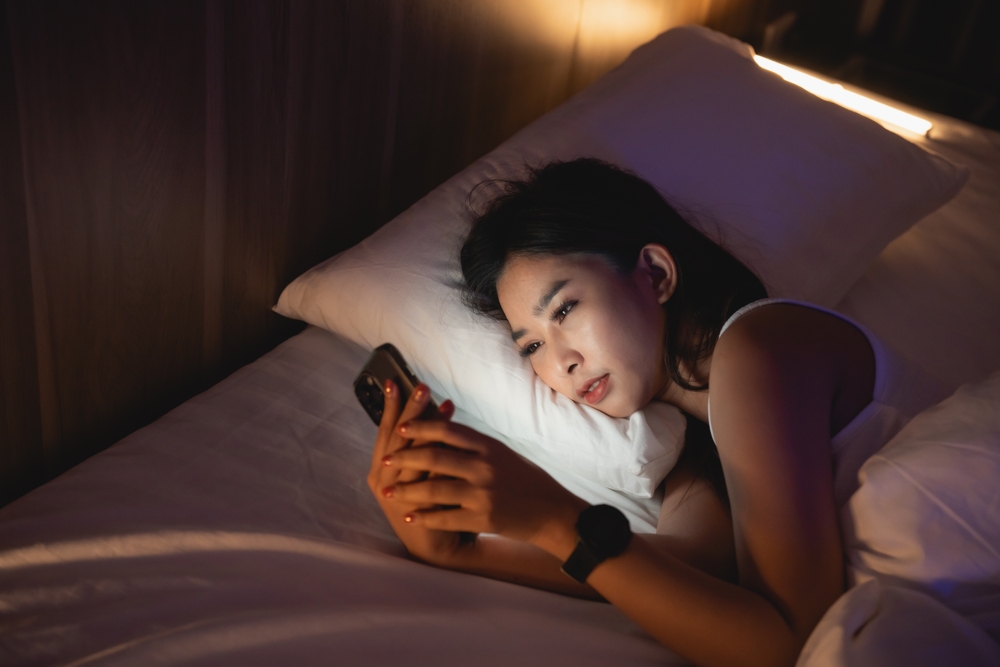
How Technology Disrupts Your Sleep Patterns
How Technology Disrupts Your Sleep Patterns What’s Keeping You Up at Night? The devices we depend on throughout our days may silently sabotage our nights. From smartphones to tablets, and even smart home devices, modern technology has fundamentally altered how we sleep—and for the worse. The Encino Center for Sleep & TMJ Disorders offers specialized care to address these interconnected problems. Dr. Simmons and our team will work with you to develop practical solutions that fit your lifestyle. Make quality sleep a priority—your body and mind deserve it. Call (818) 300-0070 to book your appointment and start your journey toward restorative sleep. The Blue Light Problem One of the most well-documented ways technology interferes with sleep is through blue light exposure. The screens on our devices emit blue wavelength light that: Suppresses melatonin production, our body's natural sleep hormone Signals to our brain that it's still daytime, disrupting our circadian rhythm Increases alertness when we should be winding down Research shows that using screens within 1-2 hours of bedtime can delay sleep onset and reduce both sleep quality and duration. Even brief exposure to blue light can confuse our internal clocks. The Always-On Mentality Beyond the physical effects of device light, technology has created an "always available" culture that makes it difficult to disconnect: Work emails ping at all hours, creating anxiety that interferes with rest Social media notifications create FOMO (fear of missing out) that keeps us scrolling Breaking news alerts trigger stress responses that keep our minds racing This constant connection means our brains remain in an activated state when they should be transitioning to rest, making it harder to fall and stay asleep. Digital Content and Sleep Procrastination The seemingly infinite stream of content available through our devices leads to what researchers call "bedtime procrastination" or "revenge bedtime procrastination." After busy days with little personal time, many people sacrifice sleep hours to reclaim control over their leisure time: "Just one more episode" of a streaming show extends far beyond bedtime Endless social media feeds provide constantly refreshing content Gaming sessions stretch late into the night These behaviors reduce total sleep time and create irregular sleep schedules that further disrupt our natural rhythms. Electromagnetic Fields (EMFs) While research continues, some evidence suggests that the electromagnetic fields generated by wireless devices might impact sleep quality. Keeping multiple devices charging or operating near your bed creates an electromagnetic environment unlike anything humans have experienced throughout evolutionary history. Breaking the Cycle: Technology and Sleep Solutions The good news is that we can use technology more mindfully to protect our sleep: Digital Boundaries Set a digital curfew (ideally 1-2 hours before bed) Create tech-free zones in the bedroom Use "do not disturb" settings during sleep hours Blue Light Management Enable night mode/blue light filters on devices Consider blue-light blocking glasses for evening screen use Replace bright white bulbs with warm lighting in the bedroom Sleep-Supporting Technology Use white noise apps to mask disruptive sounds Try sleep tracking devices to understand your patterns Smart thermostats can maintain optimal sleeping temperatures Mindfulness Practices Replace pre-bed scrolling with meditation apps or calming music Journal on paper instead of a device to process your day Establish consistent sleep and wake times Finding Balance Technology itself isn't inherently harmful to sleep—it's how we use it that matters. By establishing healthier digital habits and creating boundaries between our connected lives and our rest time, we can enjoy the benefits of modern technology without sacrificing the quality sleep our bodies and minds require. Remember that good sleep is the foundation of physical health, mental well-being, and daily performance. In our pursuit of digital connection, let's not disconnect from one of our most fundamental biological needs—restful, rejuvenating sleep. Ready for Better Sleep? Struggling with sleep disruption from technology or experiencing sleep issues related to TMJ disorders? The team at Encino Center for Sleep & TMJ Disorders can help you reclaim restful nights. Our sleep specialists provide personalized assessments and treatment plans to address your specific sleep challenges. Don't let another night pass with poor sleep affecting your health and quality of life. Call (818) 300-0070 today to schedule your consultation and take the first step toward restorative sleep and better health.

Sleep and Productivity: Why Rest Matters for Professional Success
Sleep and Productivity: Why Rest Matters for Professional Success Your Secret Weapon for Career Advancement The modern workplace presents a curious paradox– we sacrifice sleep to get more done, yet this sacrifice makes us less effective at everything we attempt. While many wear their minimal sleep hours as a badge of honor, research tells a different story. Across industries and positions, a sleep crisis is quietly undermining our collective potential. Quality sleep isn't a luxury that can be postponed until retirement or vacation—it's a fundamental necessity for peak professional performance every single day. If sleep challenges are holding back your career trajectory, our specialists can help identify and address the root causes, from sleep apnea to TMJ-related disruptions. Your professional future depends on how well you rest today. Call our Encino sleep specialist at (818) 300-0070 to discover how improved sleep can transform your work performance. The Science of Sleep Sleep operates in cycles, each serving distinct biological purposes. During deep sleep, our bodies repair physical tissues and strengthen immune functions. In REM sleep, our brains process emotions and consolidate learning from the day. These processes directly impact workplace functions. Memory formation, critical thinking, and creative problem-solving all depend on complete sleep cycles. When we sleep, our brains transfer information from short-term to long-term memory, essentially filing away important data while discarding unnecessary details. Perhaps most fascinating is how sleep enables neural connections that spark insights. That's why solutions sometimes appear after a good night's rest—your brain has been making connections while you were unconscious. The Cost of Sleep Deprivation in the Workplace After 17-19 hours without sleep, cognitive performance equals that of someone with a blood alcohol level of 0.05%. After 24 hours, it's equivalent to being legally drunk. Sleep-deprived employees show: 50% slower response times 20-32% reduction in creative thinking 3x more errors in basic tasks The financial impact is equally dramatic. American businesses lose approximately $63.2 billion annually due to sleep deprivation. Presenteeism—showing up but functioning sub-optimally—costs more than absenteeism. Beyond immediate effects, chronic sleep deficiency correlates with serious health conditions including heart disease, diabetes, and immune disorders, all of which can cut careers short and diminish quality of life. Sleep as a Competitive Advantage Forward-thinking companies have recognized that rest creates competitive advantages. Google installed nap pods in their offices after observing productivity spikes following rest periods. At Nike headquarters, flexible schedules accommodate different chronotypes, allowing night owls and early birds to work during their peak alertness hours. Examining successful leaders reveals similar patterns. Jeff Bezos has famously prioritized 8 hours of sleep nightly throughout his career. Arianna Huffington transformed from a sleep-deprived executive to a sleep advocate after collapsing from exhaustion, then built a new business around wellness. Companies with well-rested employees report higher innovation rates, better customer service scores, and stronger financial performance. Practical Sleep Strategies for Professionals Transforming your sleep begins with your environment. Create a cool, dark, quiet sleeping space. Invest in a quality mattress and pillows—you spend a third of your life in bed, making it one of the most important investments for your career. Establish technology boundaries by: Setting devices to night mode after 8pm Creating a "no screens" rule for the hour before bed Designating the bedroom as a device-free zone For those facing midday energy dips, strategic napping works wonders. A 10-20 minute nap boosts alertness without causing grogginess. Some companies now provide quiet rooms for this purpose, recognizing the productivity return. Sleep scheduling proves powerful as well. Going to bed and waking at consistent times—even on weekends—regulates your circadian rhythm for faster, deeper sleep. Organizational Approaches to Sleep Health Progressive organizations implement policies supporting sleep health: Limiting after-hours emails Offering flexible start times Providing sleep education programs Respecting vacation time completely (no contact) Leaders set powerful examples through their behavior. When managers discuss their sleep practices openly and avoid sending midnight emails, they signal that rest is valued. Some companies have even begun measuring team energy alongside traditional metrics, recognizing that sustainable performance matters more than brief productivity sprints. Overcoming Common Sleep Barriers for Busy Professionals High-pressure environments create unique challenges. Try: Breaking large projects into smaller chunks to prevent racing thoughts at bedtime Writing tomorrow's priority list before leaving work Practicing a five-minute meditation before sleep For frequent travelers, these strategies help: Maintaining home sleep/wake times when possible Exposing yourself to morning sunlight to reset your internal clock Avoiding alcohol on flights (it worsens jet lag) For those battling anxiety-related insomnia, cognitive restructuring techniques help transform catastrophic thinking patterns that keep the mind racing. Transform Your Career Through Better Sleep—Starting Tonight Don't let another sleepless night sabotage your professional potential. The connection between quality rest and workplace success is clear—it's time to prioritize your sleep as seriously as you do your career goals. At Encino Center for Sleep & TMJ Disorders, we've helped countless professionals transform their work performance through better sleep. Whether you're facing occasional insomnia or chronic sleep issues, taking action now can lead to immediate improvements in your focus, creativity, and decision-making abilities. Schedule your sleep assessment today by calling our sleep specialist in Encino, CA at (818) 300-0070. Your career deserves the advantage that comes with truly restorative rest.
Transform Your Bedroom into a Sleep Sanctuary
Transform Your Bedroom into a Sleep Sanctuary Design Your Dream Sleep Space Sleep is the foundation of our physical and mental well-being, yet many of us struggle to get the quality rest we need. While factors like stress and schedules play their part, your bedroom environment can significantly impact your sleep quality. This comprehensive guide will help you transform your bedroom into an optimal sleep sanctuary. Optimal Temperature and Ventilation The ideal sleeping environment starts with temperature control. Research shows that the optimal bedroom temperature falls between 60-67°F (15-19°C). Your body naturally cools down as it prepares for sleep; a cool room supports this process. Good ventilation is equally important. Install a ceiling fan or use a portable fan to keep air circulating. In warmer months, consider using a dehumidifier to maintain comfort. During winter, a humidifier can prevent the air from becoming too dry, irritating your airways and disturbing sleep. Managing Light Exposure Light exposure plays a crucial role in regulating your circadian rhythm. During the day, allow natural light to flood your bedroom – this helps maintain your body's natural sleep-wake cycle. However, when it's time to sleep, darkness is essential. Invest in quality blackout curtains or shades to eliminate street lights and early morning sun. Consider installing dimmer switches to create a gradual transition to darkness in the evening. Remove or cover electronic devices that emit blue light, as this can suppress melatonin production and make falling asleep more difficult. Sound Control and Acoustics Creating a quiet sleep environment doesn't mean your bedroom needs to be silent. Rather, it's about managing disruptive noise. Here are effective strategies for sound control: Sound-blocking window treatments: Install double-cell honeycomb shades or sound-dampening curtains that can reduce outside noise by up to 40%. These solutions are particularly effective for urban environments with constant traffic or street noise. White noise solutions: Consider using a dedicated white noise machine or fan to create consistent background noise. Natural sounds like rainfall or ocean waves can be soothing and help mask unpredictable noises that might wake you. Structural improvements: Weather stripping around windows and doors improves energy efficiency and reduces sound transmission. For more serious noise issues, consider installing double-pane windows or adding acoustic panels to walls. Choosing the Right Bedding Your bed is the centerpiece of your sleep sanctuary. Invest in a quality mattress that supports your sleeping position and body type. Most mattresses should be replaced every seven to 10 years, but watch for signs of wear or discomfort. Layer your bed with high-quality, breathable materials. Cotton sheets with a thread count between 200 and 400 offer a good balance of durability and comfort. Choose pillows that maintain proper neck alignment, and consider having different-weight duvets for summer and winter. Color Psychology and Decor The colors surrounding you can impact your ability to relax. Soft, muted tones like pale blue, gentle green, or warm beige create a calming atmosphere. Avoid bright, energetic colors like red or orange in your bedroom. Keep artwork peaceful and minimal. Consider nature scenes or abstract pieces with soothing colors. If you include plants, choose varieties known for their air-purifying qualities and easy maintenance, such as snake plants or peace lilies. Organization and Clutter Control A cluttered bedroom can create mental chaos that interferes with sleep. Implement smart storage solutions to keep surfaces clear. Use under-bed storage for out-of-season items, and install closet organizers to maximize space. Create a "no electronics" rule for your bedroom, or at minimum, designate a specific charging station away from your bed. Keep work materials out of the bedroom to maintain a clear boundary between rest and activity. Air Quality Optimization Good air quality is essential for healthy sleep. Regular cleaning, including vacuuming with a HEPA filter vacuum and washing bedding weekly, helps reduce allergens. An air purifier can remove pollutants and provide gentle white noise. Consider adding air-purifying plants like spider plants or bamboo palms. Keep windows open for short periods each day to allow fresh air circulation, even in winter. Creating a Relaxing Pre-Sleep Environment Transform your bedroom into a tranquil space that signals it's time to wind down. Essential elements of a relaxing pre-sleep environment include: Aromatherapy setup: Choose calming scents known to promote relaxation. Lavender has been scientifically proven to reduce anxiety and improve sleep quality. Place an essential oil diffuser away from direct bedside contact, or use linen sprays specifically formulated for bedding. Lighting layers: Incorporate multiple light sources at different heights to create the right ambiance. A combination of soft overhead lighting, wall sconces, and bedside lamps allows you to gradually decrease light exposure as you prepare for sleep. Mindful organization: Keep bedside essentials within arm's reach but minimal and organized. A small tray can contain hand cream, lip balm, and reading glasses without creating visual clutter. Maintenance and Updates Regular maintenance keeps your sleep sanctuary functioning optimally. Here's a seasonal checklist to keep your bedroom sleep-friendly: Quarterly tasks: Rotate your mattress, wash all bedding including pillows and duvets, deep clean carpets and rugs, and check window seals for any drafts or noise leaks. This is also a good time to assess your bedroom's temperature control needs for the upcoming season. Monthly maintenance: Replace air filters, clean or replace diffuser filters, dust all surfaces including fan blades and light fixtures, and vacuum under furniture. Take this opportunity to declutter any areas that have accumulated unnecessary items. Weekly routines: Change sheets, vacuum floors, dust surfaces, and empty waste baskets. This regular upkeep prevents allergen buildup and maintains the calm atmosphere essential for good sleep. Remember, creating the perfect sleep environment is a personal journey. What works for one person might not work for another. Pay attention to what helps you sleep best and adjust accordingly. Small changes can add up to significant improvements in your sleep quality, leading to better health and well-being overall. Reclaim Your Rest: Encino's Premier Sleep & TMJ Center Are you struggling with restless nights, tossing and turning while quality sleep remains frustratingly out
7 Surprising Ways Poor Sleep Impacts Your Mental Health
7 Surprising Ways Poor Sleep Impacts Your Mental Health Beyond Feeling Tired: How Poor Sleep Quietly Affects Your Mental Wellness Sleep often takes a backseat to endless to-do lists, late-night scrolling, and Netflix binges. While most of us know that poor sleep can leave us feeling physically drained, its effects on our mental health run far deeper than many realize. But not getting a restful night’s sleep impacts our psychological well-being, affecting everything from our emotional stability to our creative potential. If you suspect your poor sleep is due to sleep apnea or a similar medical condition, reach out to our sleep professionals at the Encino Center for Sleep & TMJ Disorders by calling (818) 300-0070. 1. Memory Formation and Emotional Processing Sleep isn't just a time when your body rests – it's when your brain processes and catalogs the day's experiences. When you skimp on sleep, your brain struggles to store memories and process emotional events properly. Think of sleep as your brain's night shift, where teams of neurons work to file away important information and help you make sense of emotional experiences. Without adequate sleep, you're essentially forcing your brain to operate with a backed-up filing system, leading to emotional overwhelm and difficulty learning from experiences. 2. Decision-Making and Risk Assessment Ever notice how your judgment seems a bit off after a poor night's sleep? That's because sleep deprivation significantly impairs your prefrontal cortex – the brain's center for decision-making and risk assessment. Research shows that sleep-deprived individuals are more likely to make impulsive decisions and take unnecessary risks. From making questionable financial choices to sending ill-advised late-night texts, poor sleep can compromise your ability to make sound judgments in both professional and personal contexts. 3. Social Skills and Emotional Intelligence Sleep loss doesn't just affect your internal mental state – it dramatically impacts your ability to interact with others. When you're sleep-deprived, your brain becomes less adept at recognizing facial expressions and interpreting emotional cues. Your capacity for empathy diminishes, and you're more likely to misread social situations. This can lead to strained relationships, workplace conflicts, and a tendency to withdraw from social interactions, creating a ripple effect that impacts your entire social support system. 4. Creativity and Problem-Solving If you've ever noticed your creative spark dimming after poor sleep, you're not imagining it. REM sleep plays a crucial role in connecting seemingly unrelated ideas – a cornerstone of creative thinking. During this sleep stage, your brain makes novel connections and integrates diverse information in ways that fuel innovation and artistic expression. Missing out on quality sleep can leave you stuck in rigid thinking patterns, making it harder to find creative solutions to challenges at work and in your personal life. 5. Anxiety and Stress Response Poor sleep creates a perfect storm for increased anxiety. When you're sleep-deprived, your amygdala – the brain's threat detection center – becomes hyperactive, while the rational parts of your brain become less effective at keeping worry in check. This creates a vicious cycle: anxiety makes it harder to sleep, and lack of sleep amplifies anxiety. Research shows that even one night of poor sleep can significantly increase anxiety levels the next day, making you more reactive to stress and less resilient in facing daily challenges. 6. Mood Regulation and Depression Risk The relationship between sleep and mood isn't just about feeling grumpy after a bad night's rest. Chronic sleep problems can fundamentally alter your brain's ability to regulate mood, potentially triggering or worsening depressive episodes. Sleep disruption interferes with the production and regulation of crucial neurotransmitters that influence mood, creating chemical imbalances that can contribute to depression. This connection is so strong that sleep therapy is increasingly being recognized as a crucial component of depression treatment. 7. Self-Perception and Confidence Poor sleep can significantly impact how you view yourself. Sleep deprivation can distort your self-image and undermine your confidence, making you more susceptible to impostor syndrome and negative self-talk. When you're tired, you're more likely to doubt your abilities and perceive yourself as less competent, even when your performance hasn't actually declined. The Mental Health Wake-Up Call Getting adequate sleep isn't just about feeling physically refreshed – it's about maintaining your mental and emotional well-being. If you're struggling with sleep, consider it a priority to address these issues. Start by establishing a consistent sleep schedule, creating a relaxing bedtime routine, and limiting screen time before bed. If sleep problems persist, don't hesitate to seek professional help. Call our Encino sleep specialists at (818) 300-0070 and speak with a qualified sleep dentist.
The Science of Sleep: Unlocking Your Body’s Nightly Reset Button
Imagine your body as a high-performance machine that spends one-third of its life performing an intricate, behind-the-scenes maintenance routine. This isn't science fiction—it's the remarkable process of sleep, a biological marvel that does far more than simply rest our weary minds. The Nightly Transformation: What Really Happens When We Sleep? Most of us view sleep as a passive state, but it's anything but dormant. When we close our eyes, our body enters a complex, highly active mode of restoration and repair. The sleep cycle isn't a simple on-off switch, but a sophisticated journey through multiple stages that each serve critical functions. During non-rapid eye movement (NREM) sleep, our body shifts into high gear for physical restoration. Cellular repair accelerates, muscles are rebuilt, and the immune system gets a powerful boost. Meanwhile, rapid eye movement (REM) sleep becomes the brain's personal editor, sorting through the day's experiences, consolidating memories, and processing emotional information. The Biological Orchestra of Sleep Our sleep is conducted by an intricate biological orchestra, with the circadian rhythm acting as the primary conductor. This internal clock, regulated by melatonin, responds to light and darkness, signaling when it's time to wind down or wake up. As daylight fades, melatonin levels rise, gradually dimming our internal alertness and preparing us for rest. Neurotransmitters play a crucial role in this process. Adenosine, for instance, builds up in our brains throughout the day, creating a growing sense of sleepiness. It's nature's way of ensuring we don't push ourselves beyond our limits. The Profound Health Impacts The benefits of quality sleep extend far beyond feeling refreshed. It's a cornerstone of both physical and mental health. Regular, quality sleep: Strengthens the immune system Supports cardiovascular health Regulates metabolism Reduces stress Enhances emotional stability Boosts cognitive performance Navigating Sleep Disruptors in the Modern World Our contemporary lifestyle presents numerous challenges to healthy sleep. Blue light from smartphones, irregular work schedules, constant connectivity, and high-stress environments constantly bombard our natural sleep mechanisms. Substances like caffeine, alcohol, and certain medications can further complicate our ability to achieve restorative sleep. Understanding these disruptors is the first step in creating a more sleep-friendly lifestyle. Optimizing Your Sleep: A Scientific Approach Good sleep isn't about luck—it's about strategy. Scientific research suggests several key practices: Maintain a consistent sleep schedule Create a cool, dark, and quiet sleeping environment Develop a relaxing pre-sleep routine Limit screen time before bed Consider sleep-tracking technologies to understand your unique sleep patterns The Dark Side of Sleep Deprivation Consistently poor sleep isn't just annoying—it's dangerous. Short-term effects include reduced cognitive function, mood swings, and decreased performance. Long-term sleep deprivation has been linked to increased risks of chronic diseases, potential neurological issues, and may even impact life expectancy. The Exciting Frontier of Sleep Science We're just beginning to unlock sleep's mysteries. Emerging research explores genetic factors in sleep, personalized sleep solutions, and potential breakthrough treatments that could revolutionize how we understand and approach rest. Your Nightly Reset Button Sleep is not a luxury—it's a biological necessity. It's your body's most sophisticated maintenance program, working tirelessly to repair, consolidate, and prepare you for the challenges ahead. By understanding and respecting your body's need for quality sleep, you're not just resting—you're actively investing in your health, performance, and overall well-being. Tonight, when you lay your head on the pillow, remember: you're about to embark on an incredible journey of biological restoration. Your body's reset button is ready to work its magic. Reclaim Your Rest, Restore Your Life If you're in Encino or the surrounding communities of Sherman Oaks, Studio City, and Tarzana, your path to transformative sleep is just a phone call away. We understand the profound toll that sleep deprivation takes on your life—the foggy mornings, the unexplained irritability, the constant battle against fatigue. You don't have to fight this battle alone. Reach out to the Encino Center for Sleep & TMJ Disorders today at (818) 300-0070 and take the first courageous step towards reclaiming your nights and revitalizing your entire life.

Common Sleep Medications and Supplements: A Comprehensive Comparison
Getting a good night's sleep shouldn't feel like an impossible dream, yet millions of people struggle with sleep issues every night. Many adults experience chronic insomnia, while countless others deal with occasional sleep difficulties. As sleep problems continue to affect public health, many turn to medications and supplements for relief. But which options are most effective, and what are the trade-offs? Prescription Sleep Medications Benzodiazepines Benzodiazepines like Valium and Xanax have long been used to treat sleep disorders. These medications work by enhancing the effects of GABA, a neurotransmitter that reduces brain activity. While highly effective for short-term use, with success rates of 70-80% in clinical trials, they come with significant considerations. The good news? They work quickly and effectively. The downside? Side effects can include morning grogginess, decreased coordination, and memory problems. More concerning is their potential for dependency – most doctors recommend using them for no more than two to four weeks. Non-benzodiazepines Enter the "Z-drugs" like Ambien and Lunesta. These newer medications target similar brain pathways more selectively, theoretically offering fewer side effects. Studies show they're effective for 60-70% of users, with a lower risk of dependency compared to traditional benzodiazepines. However, they're not without risks. Users should be aware of potential side effects like: Sleep-walking or sleep-eating Next-day drowsiness Memory issues Dizziness Other Prescription Options Some antidepressants, particularly those with sedating properties, can improve sleep quality. Newer medications like orexin receptor antagonists work by blocking wake-promoting signals in the brain. These alternatives might be particularly useful for people with both sleep and mood disorders. Over-the-Counter Solutions Antihistamines Many people reach for antihistamines like Benadryl (diphenhydramine) or Unisom (doxylamine) as their first sleep aid. These medications can be effective for occasional use, but tolerance develops quickly – usually within a few days. Long-term use isn't recommended because: Effectiveness decreases rapidly May contribute to daytime drowsiness Can impact cognitive function in older adults Might increase risk of dementia with prolonged use Natural Supplements Melatonin Melatonin stands out as one of the most studied sleep supplements. This natural hormone helps regulate our sleep-wake cycle, and supplementation can be particularly effective for: Jet lag recovery (success rates up to 90%) Shift work adjustment Delayed sleep phase syndrome Typical dosages range from 0.5-5mg, with research suggesting "less is more" – smaller doses often work better than larger ones. Side effects are generally mild but can include headaches and vivid dreams. Valerian Root This traditional herb has shown promise in improving sleep quality, though results are mixed. Studies suggest it may help reduce the time it takes to fall asleep by 15 to 20 minutes. Side effects are rare, making it a safe option for many people. Other Natural Alternatives Chamomile, passionflower, and lavender have all shown modest benefits for sleep. While their effects might be subtle, they're generally very safe and can be part of a holistic sleep strategy. Special Considerations Age matters significantly when choosing sleep aids. Older adults should generally avoid antihistamines and be cautious with benzodiazepines. Pregnant women should consult healthcare providers, as many sleep medications aren't well-studied in pregnancy. Medical conditions and other medications can interact with sleep aids. Always check with a healthcare provider, particularly if you: Take other medications Have liver or kidney problems Suffer from breathing disorders Have a history of substance abuse Building a Sustainable Sleep Strategy The most effective approach to better sleep combines appropriate sleep aids with good sleep hygiene: Maintain consistent sleep schedules Create a relaxing bedtime routine Optimize your sleep environment Limit screen time before bed Exercise regularly (but not too close to bedtime) When to Seek Help While occasional sleep problems are normal, consult a healthcare provider if: Sleep issues persist for more than a month Sleep problems significantly impact daily function You experience unusual sleep behaviors You need sleep medication more than two to three times per week Dream Better, Live Better: Your Sleep Solutions in Encino Don't let another restless night steal your joy and vitality. At the Encino Center for Sleep & TMJ Disorders, we understand that every yawn, every morning headache, and every sleepless night takes a toll on your life and relationships. Our dedicated team of sleep specialists doesn't just treat symptoms – we transform lives by addressing the root cause of your sleep and TMJ issues. Imagine waking up feeling truly refreshed, ready to embrace each day with energy and enthusiasm. Whether you're struggling with sleep apnea, TMJ pain, or other sleep-related challenges, we're here to guide you toward the peaceful rest you deserve. Take the first step toward better sleep and a brighter tomorrow – call us at (818) 300-0070 to schedule your consultation. Your journey to restful nights and pain-free days begins here in Encino, where expert care meets compassionate understanding.
Sleep Gadgets and Accessories
Sleep in Style: Fun Gadgets and Accessories for Better Zzzs Do you find yourself tossing and turning night after night, desperately chasing that elusive good night's sleep? You're not alone. In our fast-paced world, quality sleep can feel like a luxury we can't afford. But what if we told you the key to unlocking restful nights might be hiding in some innovative gadgets and accessories? Whether you're a light sleeper, a tech enthusiast, or someone who's tried everything short of counting sheep, there's a world of sleep-enhancing tools waiting to transform your nights. The Comforting Embrace of Weighted Blankets Imagine being enveloped in a gentle, constant hug throughout the night. That's the sensation many people experience with weighted blankets, one of the most popular sleep aids to hit the market in recent years. These blankets, typically weighing between five to thirty pounds, use deep pressure stimulation to create a calming effect on the body. The science behind weighted blankets is fascinating. The pressure they apply is thought to increase the production of serotonin and melatonin, our body's natural mood lifter and sleep hormone, respectively. At the same time, they may decrease cortisol, the stress hormone that can keep us tossing and turning at night. Many users report feeling less anxious and more grounded when sleeping under a weighted blanket. It's like a security blanket for adults but with scientific backing. When choosing a weighted blanket, the general rule of thumb is to opt for one that's about 10% of your body weight. However, personal preference plays a role, so don't be afraid to experiment to find your perfect weight. Shielding Your Eyes with Blue Light Blocking Glasses In our digital age, we're constantly bombarded with blue light from our screens – smartphones, tablets, computers, and TVs. While this light is beneficial during the day, helping to keep us alert and boost our mood, it can wreak havoc on our sleep patterns when exposure continues into the evening. Blue light-blocking glasses are designed to filter out the blue light emitted by our devices, helping to maintain our body's natural production of melatonin. By wearing these glasses in the evening, particularly in the 2-3 hours before bedtime, you can help signal to your body that it's time to wind down, even if you're still catching up on emails or enjoying your favorite show. But don't worry – you won't have to sacrifice style for sleep. Many brands now offer blue light-blocking glasses in trendy frames that you won't mind being seen in. Some even come with clear lenses for daytime use, protecting your eyes from digital strain around the clock. The Soothing Symphony of White Noise Machines For light sleepers or those living in noisy environments, the world can seem frustratingly loud when trying to fall asleep. White noise machines offer a solution by creating a consistent, soothing background sound that can help mask disruptive noises and lull you into a peaceful slumber. These devices have come a long way from the simple white noise generators of the past. Modern machines offer a variety of sounds to choose from – the gentle patter of rainfall, the rhythmic crashing of ocean waves, the soft whirring of a fan, or the serene ambiance of a forest at night. Many also come with timer settings, allowing you to drift off to your chosen soundscape without it playing all night. The effectiveness of white noise machines lies in their ability to create a consistent auditory environment. This consistency can help prevent sudden noises from jarring you awake, allowing for more restful, uninterrupted sleep. Plus, many people find the gentle background noise inherently relaxing, making it easier to quiet a busy mind and fall asleep faster. Tracking Your Zzzs with Smart Sleep Tech For the data-driven sleepers among us, smart sleep trackers offer a wealth of information about our nightly rest. These devices, which can take the form of wearables, smartphone apps, or even under-mattress sensors, monitor various aspects of your sleep to provide insights into your sleep patterns and quality. A typical sleep tracker might record data on your sleep stages (light, deep, and REM sleep), heart rate, breathing rate, and even environmental factors like bedroom temperature and noise levels. This information is then analyzed to give you a "sleep score" and personalized tips for improvement. While the idea of analyzing your sleep might sound stressful, many users find that the data helps them identify and address issues they weren't aware of. Perhaps you're not getting as much deep sleep as you thought, or maybe your bedroom is warmer than ideal for restful sleep. Armed with this knowledge, you can make informed changes to your sleep environment and habits. Keeping Your Cool with Temperature-Regulating Pillows Last but not least, let's talk about the unsung hero of the sleep world – the pillow. For hot sleepers, a regular pillow can quickly become a source of discomfort, trapping heat and causing night sweats. This is where cooling pillows come to the rescue. Using technologies like gel-infused memory foam, phase-change materials, or breathable, moisture-wicking fabrics, these pillows help maintain a comfortable temperature throughout the night. Some even actively disperse heat away from your head and neck. But temperature regulation isn't their only trick. Many cooling pillows are designed with optimal neck and head support in mind, helping to alleviate pain and promote proper spinal alignment. It's a win-win for both comfort and sleep quality. Sweet Dreams Await As we've explored, the world of sleep gadgets and accessories is vast and varied. From the comforting weight of a heavy blanket to the cool touch of a temperature-regulating pillow, there's something out there for every sleep struggle. Remember, good sleep is a cornerstone of your health and well-being. While these gadgets can certainly help, they work best as part of a comprehensive sleep hygiene routine. Combine them with a consistent sleep schedule, a relaxing bedtime ritual, and a comfortable sleep environment, and you'll be well on your way to the land
Sleep Tips for Shift Workers and Those with Unusual Schedules
Sleep Tips for Shift Workers and Those with Unusual Schedules In a world that never sleeps, millions find themselves swimming against the tide of traditional 9-to-5 schedules. Nurses pulling night shifts, pilots crossing time zones, emergency responders on call, and countless others face a unique challenge: how to get quality sleep when their internal clocks are constantly disrupted. The consequences of poor sleep go far beyond feeling groggy; they can impact your health, safety, and overall quality of life. But fear not, night owls and schedule jugglers – with the right strategies, you can reclaim your rest and thrive, no matter when your workday begins or ends. 1. Maintain a Consistent Sleep Schedule Try to sleep simultaneously every day, even on your days off. This helps regulate your body's internal clock and can make it easier to fall asleep and wake up. Consistency is key, so stick to your schedule as closely as possible, even on weekends or during vacation time. If you need to change your sleep schedule, do it gradually by shifting your bedtime by 15-30 minutes each day until you reach your desired schedule. 2. Create a Sleep-Friendly Environment Transform your bedroom into a sleep sanctuary. Use blackout curtains or an eye mask to block out light, which can interfere with your body's production of melatonin, the sleep hormone. Invest in earplugs or a white noise machine to minimize disruptive sounds that might wake you up or prevent you from falling asleep. Keep your bedroom cool, ideally between 60-67°F (15-19°C), as a slight drop in body temperature can help induce sleep. 3. Limit Exposure to Blue Light The blue light emitted by electronic devices can suppress melatonin production and make it harder to fall asleep. Avoid screens (phones, tablets, computers) for at least an hour before bedtime. If you must use them, consider using blue light-filtering glasses to try to reduce the impact on your sleep. Instead of scrolling through your phone, try reading a physical book or listening to calming music to help you wind down. 4. Be Mindful of Caffeine and Alcohol Caffeine can stay in your system for up to eight hours, so avoid consuming it at least four to six hours before your planned sleep time. Remember that caffeine is found not only in coffee but also in tea, chocolate, and some medications. While alcohol might help you fall asleep faster, it can disrupt your sleep quality and lead to more awakenings during the night. Limit alcohol consumption, especially close to bedtime, and be aware that its effects can last several hours after your last drink. 5. Exercise Regularly, But Time It Right Regular exercise can improve sleep quality by reducing stress and anxiety, but timing is crucial. Aim for at least 30 minutes of moderate exercise most days of the week. However, avoid vigorous workouts close to bedtime as they can be stimulating and make it harder to fall asleep. If possible, try to finish any intense exercise at least three hours before your planned sleep time. 6. Practice Relaxation Techniques Incorporate relaxation techniques into your pre-sleep routine to help calm your mind and prepare your body for rest. Try deep breathing exercises, where you focus on slow, deep breaths to lower your heart rate and blood pressure. Progressive muscle relaxation, where you tense and then relax each muscle group in your body, can help release physical tension. Meditation or mindfulness practices can also be effective in quieting a busy mind and promoting relaxation. 7. Use Strategic Napping Short naps can be a valuable tool for shift workers to combat fatigue. If you're feeling sleepy during your wake hours, a short nap (15-20 minutes) can help boost alertness and performance. Avoid longer naps as they can lead to deep sleep, making you feel groggy upon waking and potentially interfering with your main sleep period. Time your naps carefully – a nap taken too close to your main sleep time might make it harder to fall asleep later. 8. Manage Light Exposure Light plays a crucial role in regulating your circadian rhythm. When it's time to sleep, make your environment as dark as possible to signal to your body that it's time to rest. Use heavy curtains, wear an eye mask, and avoid turning on lights if you need to get up during your sleep period. Conversely, when you need to be alert, expose yourself to bright light. This can help reset your circadian rhythm and increase alertness. Consider using a light therapy box, especially if you work night shifts and need to stay awake when it's dark outside. 9. Communicate with Family and Friends Open communication with your loved ones about your sleep schedule is crucial for maintaining healthy relationships and ensuring quality rest. Let your family and friends know about your sleep schedule so they can be respectful of your rest times. Educate them about the importance of uninterrupted sleep for your health and safety, especially if you work in a high-risk profession. Consider using "Do Not Disturb" signs or turning off your phone to minimize interruptions during your sleep time. 10. Consider Melatonin Supplements Melatonin is a hormone naturally produced by your body to regulate sleep-wake cycles. For shift workers or those with irregular schedules, melatonin supplements may help regulate your sleep-wake cycle. Consult with a healthcare provider about using melatonin supplements, as they can advise on the appropriate dosage and timing based on your specific schedule. Remember that while melatonin can be helpful, it's not a magic solution and works best when combined with other good sleep practices. 11. Stick to a Pre-Sleep Routine Developing a consistent pre-sleep routine can signal to your body that it's time to wind down and prepare for sleep. This routine might include activities like: Reading a book Taking a warm bath Practicing gentle yoga Engaging in light stretching Try to perform these activities in the same order each day, even if the timing varies due to your work schedule. Over time, this routine

Can Tracking Your Sleep Improve It?
Can Tracking Your Sleep Improve It? A Look at Sleep Tracker Accuracy and Effectiveness Sleep: we all need it, yet for many, it remains elusive. Enter sleep trackers, the latest tech promising to unlock the secrets of our nightly slumber. These gadgets, nestled in our wrists or tucked under our mattresses, claim to offer a window into the mysterious world of our sleep. But do they deliver on their promises? Can simply monitoring our sleep lead to better rest? Let's cut through the hype and examine the real potential of sleep trackers, exploring their accuracy and effectiveness in pursuing those coveted zzz’s. What Are Sleep Trackers? Sleep trackers come in various forms, from smartphone apps to wearable devices like smartwatches and rings. They typically use a combination of sensors to monitor: Movement Heart rate Breathing patterns Ambient noise and light Based on these inputs, sleep trackers attempt to determine: When you fall asleep and wake up Your sleep stages (light, deep, and REM sleep) Sleep quality and duration How Accurate Are Sleep Trackers? The accuracy of sleep trackers is a subject of ongoing debate in the scientific community. While these devices have improved significantly over the years, they still face some limitations: Movement-based tracking: Many trackers rely heavily on movement to determine sleep stages, which is only sometimes accurate. For example, lying still while awake might be interpreted as sleep. Variability between devices: Different devices can produce varying results for the same person on the same night. Lack of EEG: Unlike polysomnography (the gold standard in sleep studies), consumer sleep trackers don't measure brain waves, which are crucial for accurately determining sleep stages. That said, most sleep trackers accurately measure total sleep time and detect major sleep disturbances. Can Sleep Tracking Improve Your Sleep? Despite their limitations, sleep trackers can potentially improve your sleep in several ways: Awareness: Tracking your sleep patterns can make you more conscious of your sleep habits and their impact on your daily life. Motivation: Seeing your sleep data can motivate you to prioritize sleep and make healthier choices. Identifying patterns: Over time, you might notice correlations between your activities and sleep quality, helping you make beneficial adjustments. Sleep hygiene reminders: Many sleep tracking apps offer features like bedtime reminders and sleep hygiene tips. The Potential Downsides It's important to note sleep tracking isn't without its pitfalls: Obsession: Some people become overly fixated on their sleep data, leading to anxiety that can worsen sleep. Overreliance: Trusting sleep tracker data too much might lead to ignoring your body's natural signals. Misinterpretation: Without proper context, it's easy to misinterpret sleep data and draw incorrect conclusions. The Bottom Line While sleep trackers aren't perfect, they can be valuable tools for improving sleep when used mindfully. Here are some tips for effective use: Focus on trends rather than day-to-day fluctuations. Use sleep tracking as one part of a broader sleep improvement strategy. Pay attention to how you feel during the day, not just what your tracker says. If you have serious sleep concerns, consult a healthcare professional. Remember, the goal of tracking your sleep is to sleep better, not to achieve perfect scores. Use the insights from your sleep tracker to make informed decisions about your sleep habits, but always prioritize how you feel over what the numbers say. By approaching sleep tracking with a balanced perspective, you can harness its benefits while avoiding potential pitfalls, potentially leading to better sleep and improved overall well-being. Your Path to Better Sleep Starts Here Tired of sleepless nights? Don't let poor sleep control your life. At the Encino Center for Sleep & TMJ Disorders, we offer more than just tracking – we provide solutions. Whether you're in Encino, Sherman Oaks, or Tarzana, our experienced team is ready to help you achieve the restful sleep you deserve. We address the root causes of your sleep issues, not just the symptoms. Take the first step towards transforming your nights and energizing your days. Call us at (818) 300-0070 and start your journey to better sleep today. Sweet dreams are within reach – let us help you grasp them.

Sleeping Positions and Tips for Better Sleep
Sweet Dreams: Finding Your Perfect Sleep Position Are you tossing and turning at night, struggling to find that perfect sleeping position? You're not alone. At the Encino Center for Sleep & TMJ Disorders, we see patients every day who are desperate for a good night's rest. Whether you're battling chronic back pain, dealing with persistent snoring, or simply can't seem to get comfortable, your sleeping position could be the key to unlocking better sleep. Our years of experience have shown us that small adjustments can lead to big improvements. From back sleepers to side huggers, each position has its pros and cons. By understanding these, you can make informed choices that could revolutionize your sleep quality and well-being. The Back Sleeper Often touted as the healthiest position, lying on your back keeps your spine in a neutral alignment. It's like giving your back a mini-vacation every night! However, there's a catch — this position can be a real pain for snorers and those with sleep apnea. Pro Tip: If you're a back sleeper battling these issues, try propping your head up slightly with an extra pillow. The Side Sleeper Side sleeping is another popular choice, and for good reason. It's a great option for pregnant women and can help reduce snoring. Plus, it's cozy! Pro Tip: Try hugging a pillow or tucking one between your knees. This little trick can help keep your spine aligned and might just be the secret to waking up without that annoying hip pain. The Fetal Position It might remind you of your time in the womb, but curling up too tightly can restrict your breathing and leave you feeling sore in the morning. Pro Tip: If this is your go-to position, try to relax a bit. Think more "gently curled" than "human ball." The Stomach Sleeper Stomach sleepers, you’re not alone. While this position can help with snoring, it can put stress on your back and neck. Pro Tip: If you just can't give it up, try using a very thin pillow or no pillow at all to minimize strain on your neck. Addressing Common Sleep Issues Back Pain If back pain is your nemesis, try these tips: Place a pillow under your knees when back sleeping Put a pillow between your knees for side sleeping Snoring For snorers: Side sleeping is your friend Slightly elevate your head Try nasal strips or a humidifier to keep those airways clear Don't Let Sleep Issues Rob Your Health Don't let another restless night steal your joy and vitality. Whether you're in Sherman Oaks, Studio City, or Tarzana, relief is just a phone call away. Take the first step toward transforming your sleep and reclaiming your well-being. Call us today at (818) 300-0070. Our compassionate team is ready to listen, understand your unique needs, and guide you towards peaceful, restorative sleep. Don't wait for better sleep to find you; reach out to us and grasp the restful nights you deserve. Your journey to better sleep — and a better life — starts now.

Foods and Drinks for Better Sleep
Eat This, Not That: Foods and Drinks for Better Sleep We've all experienced restless nights where we toss and turn, unable to fall into a deep, restorative slumber. While there can be many factors impacting sleep quality, the foods and beverages you consume in the hours leading up to bedtime can make a big difference. Certain items promote better sleep, while others can disrupt it. Here's a look at what to eat and drink - and what to avoid - for sounder sleep. Sleep-promoting foods and Drinks If you want to get a good night’s rest, you should consume foods and drinks that promote sleep, such as: Tart Cherry Juice: This juice is naturally rich in melatonin, the sleep-regulating hormone. Drinking some an hour before bed can boost melatonin levels. Warm Milk: The tryptophan in milk is a sleep-promoting nutrient that increases serotonin levels to induce relaxation. Warm milk is particularly soothing. Chamomile Tea: The anti-anxiety properties of chamomile make this herbal tea a great bedtime drink for inducing sleepiness. Nuts and Seeds: The healthy fats, magnesium, and tryptophan in nuts and seeds like almonds, walnuts, and pumpkin seeds can help you feel sleepy. Oats: Oats are high in melatonin, as well as tryptophan, making oatmeal a smart pre-bedtime snack. Sleep-Disturbing Foods and Drinks Like foods and drinks that promote sleep, some certain foods and beverages hinder your sleep, including: Coffee: The caffeine in coffee is a stimulant that can keep you wired and inhibit sleep for up to right hours after consumption. Alcohol: While alcohol may help you fall asleep faster initially, it ultimately disrupts and fragments sleep later in the night. Aged Cheeses: Aged cheeses contain high levels of the amino acid tyramine, which can trigger symptoms that disturb sleep. Spicy or Fatty Foods: These can cause indigestion, heartburn, and other gastrointestinal discomfort that makes it hard to sleep well. Energy Drinks: Like coffee, these are loaded with caffeine and other stimulants that promote wakefulness, not sleepiness. The right evening snacks and beverages can work wonders for ushering your body into restorative slumber. Building good sleep habits - which includes your dietary choices before bed - can transform your nightly rest, leaving you energized for the day ahead. Sleep Soundly with Help from The Experts If you're struggling with sleep issues or think you may have a sleep disorder like sleep apnea, it's important to get evaluated by professionals. The Encino Center for Sleep & TMJ Disorders specializes in diagnosing and treating various sleep-related conditions. Call them at (818) 300-0070 to schedule a consultation and get on the path to better sleep and better health. Don't let poor sleep continue disrupting your daily life - take that first step today.

The Link Between Sleep & Mental Health
The Link Between Sleep & Mental Health Sleep and Mental Health: The Crucial Connection Sleep is vital for your health and well-being, both physical and mental. It's not just about resting - sleep is a vital process that allows your body and mind to recharge and function properly. Without enough quality sleep, all aspects of your life can suffer. Sleep plays a huge role in physical health, but it's also crucial for mental and emotional well-being. Lack of sleep can take a major toll on your mood, concentration, decision-making, and cognitive abilities. Out of all the ways sleep affects health, its impact on mental health is one of the biggest. Poor sleep is linked to increased risks of conditions like depression, anxiety, and even suicidal thoughts in some cases. That's why understanding the close connection between sleep and mental health is so important - getting enough quality sleep helps manage existing mental health issues and prevents new ones from developing. How Sleep Problems Can Lead to Mental Health Issues Not getting enough sleep can really mess with your mood. When you're sleep-deprived, you're more likely to feel cranky, have mood swings, and have a hard time controlling your emotions. Lack of sleep also makes it harder to concentrate, make decisions, and think clearly. Chronic (long-term) sleep problems increase your risk of developing anxiety and depression. Studies show there's a strong connection between insomnia (trouble sleeping) and these conditions getting worse or starting. How Mental Health Conditions Can Disrupt Sleep Anxiety disorders often involve racing thoughts, worrying a lot, and feeling really wound up, which can make it tough to fall asleep and stay asleep. Depression is closely linked to insomnia (not being able to sleep well), as well as hypersomnia (sleeping too much) in some cases. Other mental health disorders, like PTSD, bipolar disorder, and OCD, can also interfere with healthy sleep patterns. The Role of Good Sleep for Managing Anxiety and Depression Importance of Good Sleep Habits Having a consistent sleep schedule, even on weekends, can help regulate your body's internal clock and improve your sleep quality. Making your bedroom a good environment for sleep by minimizing light, noise, and distractions, and keeping a comfortable temperature, can help you sleep better. Avoiding things like caffeine, nicotine, and alcohol close to bedtime, and doing relaxation techniques like meditation or deep breathing, can get your mind and body ready for sleep. Problems from Not Getting Enough Sleep Long-Term Not getting enough sleep can make anxiety and depression symptoms worse, making it harder to manage these conditions. Long-term sleep deprivation increases your risk of relapsing or not responding well to treatment if you already have mental health issues. Poor sleep quality can really impact your overall quality of life, making it harder to function well in areas like work, relationships, and daily activities. Getting Professional Help When to See a Doctor If you're having ongoing sleep problems that interfere with your daily life, it's important to get professional help. If your mental health symptoms, like anxiety or depression, are getting worse or becoming too much to handle, it's crucial to reach out to a mental health professional. Treatment Options Cognitive-behavioral therapy for insomnia (CBT-I) is an effective treatment that helps you identify and change thoughts and behaviors that contribute to sleep difficulties. Sometimes, a doctor may recommend medication, either for sleep issues or underlying mental health conditions. Lifestyle changes like regular exercise, stress management techniques, and a healthy diet can also help improve sleep and mental well-being. Take Control: One Call to Better Sleep and Mental Health If you're struggling with sleep issues or mental health concerns, don't hesitate to seek professional help. You can reach out to our team of experts by calling (818) 300-0070. We're here to provide the support and guidance you need to improve your sleep habits and address any underlying mental health conditions. Taking that first step towards better sleep and mental well-being can make a profound difference in your overall quality of life.
Strange Sleep Disorders You May Not Have Heard Of
Sleep's Weird Wild Side We all know how important a good night's sleep is for our overall health and well-being. However, while common sleep issues like insomnia and sleep apnea are widely discussed, there are several unusual and often misunderstood sleep disorders that can profoundly disrupt one's sleep and daily life. If you or someone you care about has been experiencing unexplained, strange sleep disturbances, this post aims to raise awareness about some of the strangest sleep disorders experienced by patients. By shining a light on these lesser-known yet impactful conditions, we hope to validate the experiences of those affected and encourage them to seek expert help from qualified professionals who can get to the root of these disorders. If any of these sound like issues you or a loved one may be facing, call the Encino Center for Sleep & TMJ Disorders at 818-300-0070 to get the restorative sleep you deserve. 1. Exploding Head Syndrome Exploding head syndrome is a disorder characterized by a loud, imagined noise that occurs in the person's head during the transition between wakefulness and sleep. The noise can be described as a loud bang, gunshot, or explosion, and it can be accompanied by a jolt or a sensation of bright light. While the experience can be startling and even terrifying, it isn’t dangerous and is believed to be harmless. The causes of exploding head syndrome are not entirely understood, but it has been linked to stress, fatigue, and certain medications. 2. Sleep Eating Disorder (Sleep-Related Eating Disorder) Sleep eating disorder is a condition in which individuals engage in unconscious eating during the night or while in a sleepwalking state. People with this disorder may prepare and consume food without being aware of their actions. In some cases, they may even consume non-food items or engage in other unusual behaviors. Sleep eating can be potentially dangerous, as individuals may consume harmful substances or injure themselves while preparing food in a sleep state. The causes of sleep-eating disorders are not fully known, but they have been linked to stress, sleep deprivation, and certain medications. 3. Kleine-Levin Syndrome (Sleep Drunkenness) Kleine-Levin Syndrome, also known as sleep drunkenness, is a rare condition characterized by episodes of excessive sleep and altered behavior. During these episodes, individuals may sleep for up to 20 hours a day and experience disorientation, confusion, and a lack of awareness upon waking. They may also exhibit abnormal behaviors such as hypersexuality, binge eating, or aggression. The causes of Kleine-Levin Syndrome are not well understood, but it’s believed to be related to dysfunction in the hypothalamus region of the brain. The condition primarily affects adolescents and can have a significant impact on their daily lives and educational or social functioning. 4. Sleep Paralysis Sleep paralysis is a temporary inability to move or speak that occurs when waking up or falling asleep. During an episode of sleep paralysis, individuals may feel trapped in their bodies, unable to move or speak, even though they are conscious and aware of their surroundings. Sleep paralysis can also be accompanied by hallucinations or a feeling of fear or pressure on the chest. While sleep paralysis can be terrifying, it’s generally harmless and is believed to be caused by a disruption in the sleep-wake cycle. 5. Restless Legs Syndrome (RLS) Restless Legs Syndrome (RLS) is a condition characterized by an irresistible urge to move the legs, often accompanied by unpleasant sensations such as tingling, burning, or crawling feelings. These sensations typically occur during periods of rest or inactivity and can be relieved by moving the legs. RLS can significantly impact sleep quality, as the urge to move the legs can make it difficult to fall asleep or stay asleep. The causes of RLS are not fully understood, but it has been linked to iron deficiency, pregnancy, and certain neurological conditions. Shedding Light on Odd Sleep Phenomena Does this sound like you or someone you love in Encino, Sherman Oaks, or Tarzana? Don't let another night go by due to tossing, turning, and missing out on the rejuvenating sleep you desperately need. Unexplained sleep disturbances can drain your energy, impact your mood and performance, and even put your health at risk. But you don't have to keep suffering alone. The compassionate experts at the Encino Center for Sleep & TMJ Disorders understand how these unusual sleep disorders can disrupt your life. Don't wait another day - call 818-300-0070 now to schedule your consultation. Reclaim your nights and start feeling like your best self again. You owe it to yourself to get the restorative sleep you need to live your happiest, healthiest life.
Sleep Hygiene 101: Tips for Establishing Healthy Sleep Habits
Sleep Hygiene 101: Tips for Establishing Healthy Sleep Habits Getting enough quality sleep is crucial for our health and well-being. Poor sleep habits can lead to fatigue, irritability, poor concentration, and even serious health issues. Practicing good sleep hygiene can help you establish a consistent and rejuvenating sleep routine, ensuring you wake up feeling refreshed and energized each day. Getting enough quality sleep is crucial for our health and well-being. Poor sleep habits can lead to fatigue, irritability, poor concentration, and even serious health issues. Practicing good sleep hygiene can help you establish a consistent and rejuvenating sleep routine, ensuring you wake up feeling refreshed and energized each day. Understanding Sleep Cycles and Needs Our sleep is divided into two main cycles: Rapid Eye Movement (REM) and non-REM sleep. During REM sleep, our brain is highly active, and this is the stage where we experience vivid dreams. Non-REM sleep consists of three stages, ranging from light sleep to deep, restorative sleep. The recommended sleep duration varies by age group. Most adults require 7-9 hours of sleep per night, while school-aged children and teenagers may need up to 10 hours of sleep. Creating a Sleep-Friendly Environment Your bedroom environment can significantly impact the quality of your sleep. Aim for a cool, dark, and quiet space that promotes relaxation. Temperature: Maintain a comfortable temperature between 65-70°F (18-21°C). Lighting: Minimize exposure to bright lights and use blackout curtains or an eye mask to create a dark sleeping environment. Noise Control: Reduce external noise by using earplugs or a white noise machine. Comfortable Bedding: Invest in a high-quality mattress, pillows, and breathable sheets that support proper spinal alignment and temperature regulation. Establish a relaxing bedtime routine to signal your body it's time to wind down. This could include taking a warm bath, reading a book, practicing gentle stretches, or engaging in relaxation techniques like deep breathing or meditation. Developing Healthy Sleep Habits Maintain a consistent sleep-wake schedule: Stick to a regular sleep and wake-up time, even on weekends, to regulate your body's internal clock. Manage exposure to blue light: Limit the use of electronic devices like smartphones, tablets, and computers at least an hour before bedtime, as the blue light emitted can suppress melatonin production and disrupt sleep. Avoid stimulants close to bedtime: Caffeine, nicotine, and large meals can interfere with your ability to fall and stay asleep. Exercise and sleep: Regular physical activity during the day can promote better sleep at night, but avoid intense workouts close to bedtime. Limit naps: While short power naps can be beneficial, long or frequent naps can disrupt your sleep cycle and make it harder to fall asleep at night. Avoid sleep disruptors: Consumption of alcohol, caffeine, and nicotine close to bedtime can negatively impact sleep quality. Addressing Sleep Difficulties If you're struggling with insomnia, try relaxation techniques like deep breathing, progressive muscle relaxation, or visualization. Establish a calming pre-bed routine and create a sleep-friendly environment. If you suspect you may have a sleep disorder such as sleep apnea or restless leg syndrome, consult a healthcare professional for proper diagnosis and treatment. Benefits of Good Sleep Hygiene Prioritizing good sleep hygiene can have numerous benefits: Improved focus and productivity: Adequate sleep enhances cognitive function, concentration, and productivity. Better mood and emotional well-being: Sufficient sleep can improve mood, reduce stress and anxiety levels, and promote emotional stability. Reduced risk of health issues: Quality sleep is linked to a lower risk of obesity, diabetes, cardiovascular disease, and other chronic health conditions. Establishing healthy sleep habits through good sleep hygiene is essential for well-being. By creating a sleep-friendly environment, developing consistent routines, and addressing any sleep difficulties, you can improve the quality of your sleep and reap the numerous benefits it offers. Make sleep a priority and prioritize your sleep hygiene for a healthier, more energized life. Additional Resources "Why We Sleep" by Matthew Walker - a comprehensive book on the science of sleep and its impact on health. The National Sleep Foundation website (www.sleepfoundation.org) - a reliable source for sleep information and resources. Sleep tracking apps like Sleep Cycle or Pillow can help monitor your sleep patterns and provide insights for improving your sleep hygiene. Remember, consistency is key when it comes to establishing healthy sleep habits. With dedication and patience, you can achieve the restful, rejuvenating sleep you deserve. Don't Let Sleep Issues Persist - Contact the Professionals! If you're struggling with persistent sleep issues or suspect you may have an underlying sleep disorder, it's crucial to seek professional help. Dr. Michael Simmons at the Encino Center for Sleep & TMJ Disorders (818-300-0070) specializes in diagnosing and treating a wide range of sleep-related conditions. Don't let poor sleep continue to impact your health and well-being – take the first step towards better sleep today.

The Stages of Sleep Explained
The Stages of Sleep Explained - What Happens During REM and Non-REM Sleep Sleep is vital for our health, cognitive function, and overall well-being. Yet many people don't fully understand the different stages of sleep and what happens during each stage. In this blog post, we’ll provide an overview of the various stages of sleep and the characteristics of REM (rapid eye movement) and non-REM sleep. The Stages of Sleep There are two main types of sleep: non-REM and REM sleep. Non-REM sleep progresses through three different stages: Stage 1: This is light sleep where you are easily woken up. Your muscles relax, your heartbeat slows, and brain activity begins to slow. Stage 2: This is deeper sleep with increased brain wave activity. You become disengaged from your surroundings. This stage accounts for about half of the total sleep time. Stage 3: This is the deepest stage of non-REM sleep. It’s harder to wake someone up during this restorative stage. Muscles are relaxed, blood pressure drops, and breathing slows. After deep non-REM sleep, we enter REM sleep where dreaming occurs due to increased brain activity. REM Sleep REM sleep first occurs about 90 minutes after falling asleep. Your brain activity increases during REM, similar to when you're awake. Your eyes move rapidly behind closed eyelids. As brain activity increases, you start to dream vividly. The body becomes immobile and relaxed, with muscles inactive to prevent acting out dreams. REM sleep is crucial for memory consolidation and learning. The increased brain activity transfers and processes memories from short-term to long-term storage. Non-REM Sleep Non-REM sleep makes up about 75 percent of total sleep time. Stages 3 and 4, the deep stages, are most important for physical recovery. Your immune system functions most actively during deep sleep, working to heal and protect the body. Growth and tissue repair also occur predominantly during deep non-REM sleep. The body releases hormones that restore muscles and tissues. Overall, non-REM sleep is vital for your body's rejuvenation. The Sleep Cycle We cycle between non-REM and REM sleep several times throughout the night. Each complete sleep cycle lasts around 90 minutes. Most people experience four to six sleep cycles per night. Quality sleep means spending sufficient time in both deep non-REM and active REM sleep. Getting adequate deep non-REM and REM sleep is vital for learning, memory retention, overall health, and well-being. Understanding the different stages of sleep gives us insight into how sleep works and why it's so important for optimal rest. Pay attention to your sleep needs and aim to get enough deep and REM sleep every night. Expert Care for Your Sleep Needs If you're having trouble sleeping or want to learn more about improving your sleep quality, be sure to contact us. Dr. Simmons can provide customized advice and effective treatment plans to help you get the restful sleep your body and mind need. Schedule a consultation with Dr. Simmons by calling (818) 300-0070. Investing in your sleep health is one of the best things you can do for your overall well-being. Dr. Simmons looks forward to helping you achieve restful, rejuvenating nights and increased energy during the day.
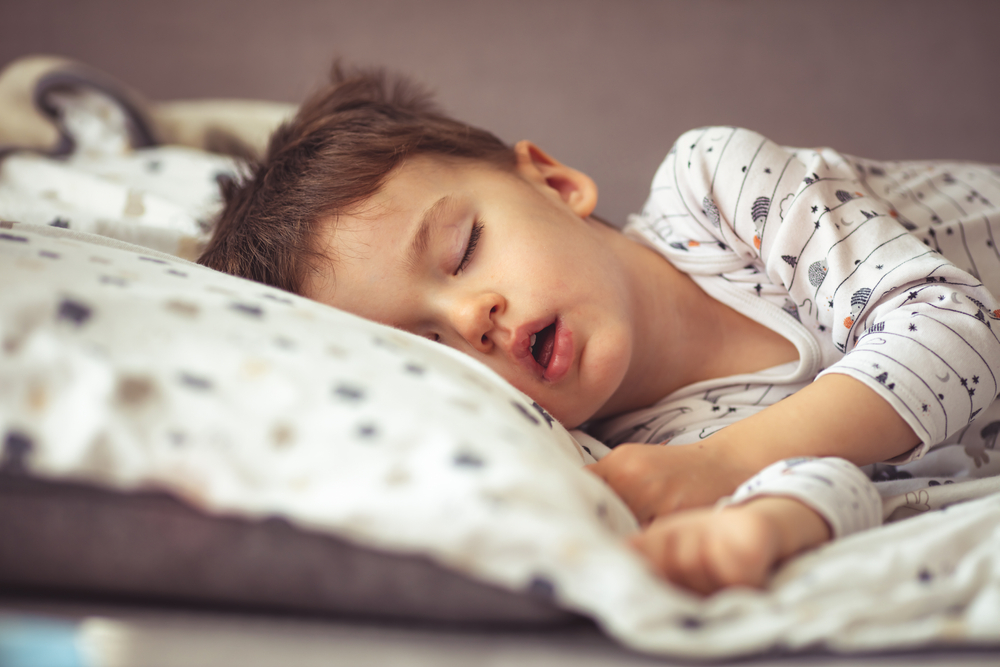
How Much Sleep Do You Really Need?
How Much Sleep Do You Really Need? Stop Guessing, Start Assessing We’ve all heard the ubiquitous advice to get eight hours of sleep per night. But is this golden number optimal for everyone? Sleep requirements vary based on age, lifestyle, and health status. While we may envy people who thrive on just four to five hours of shut-eye, that little sleep leaves most of us feeling sluggish. On the flip side, oversleeping can also leave you feeling groggy. Understanding the sleep duration best for you allows you to gain the full benefits of restorative rest. You may be surprised to know how much sleep you truly need. Our Daily Sleep Requirements Many operate on too little sleep, thinking we can get by on power naps and caffeine. However, quality nighttime sleep has distinct benefits that cannot be achieved through sporadic daytime snoozing. Adults require seven to nine consecutive hours per night to wake up feeling refreshed. Getting this amount allows your body to complete full sleep cycles, consolidating memories, regulating appetite, and more. Sleep requirements change across different life stages. Here is an optimal sleep duration breakdown: Children (6-13 years): 9-11 hours Teens (14-17 years): 8-10 hours Adults (18-64 years): 7-9 hours Elderly (65+ years): 7-8 hours Your sleep needs can also vary if you have a particularly active lifestyle. For example, pro athletes may require upwards of 10 hours nightly. If you don’t exercise regularly, are overweight, or have underlying conditions, your sleep needs may shift downwards. Pay attention to your energy levels – if you rely on an alarm clock to wake up or require long naps, chances are you need some more shut-eye. Effects of Too Little Sleep Getting optimal sleep provides myriad health benefits, while too little sleep can negatively impact both physical and mental health: Physical Better sleep strengthens immunity, reduces inflammation, lowers the risk of diabetes and heart disease, and aids weight control. Poor sleep does the opposite, elevating disease risk. Mental Quality sleep consolidates learning and memories, helps creative problem-solving, and regulates emotional reactivity. Skimping on sleep dulls mental performance while increasing the risk of anxiety and depression. As you can see, those 8 hours may be a decent benchmark, but don’t assume it applies perfectly to you. Take stock of how you feel after different amounts of sleep. Are you productive, mentally sharp, and emotionally balanced on your current schedule? If not, take steps like limiting blue light exposure, avoiding caffeine late in the day, and establishing a soothing pre-bed routine. Optimizing your sleep just might optimize your waking life. Improve Your Sleep Hygiene Now that you know how much sleep you should aim for, it’s time to ensure you’re setting yourself up for high-quality slumber. Follow these sleep hygiene best practices: Stick to a schedule – Try to go to bed and wake up at consistent times, even on weekends. This regulates your circadian rhythm for better nighttime rest. Limit blue light exposure – Avoid screens for one to two hours before bedtime, as the blue light emitted can prevent drowsiness. Develop a calming routine – Activities like light stretches, meditation, or reading before bed signal your body that it’s time for shuteye. Evaluate your environment – Ensure your sleep space is cool, dark, and quiet. Consider blackout curtains, a white noise machine, or a weighted blanket. Pay attention to what you consume – Limit caffeine past the early afternoon. Avoid heavy meals and alcohol before bed, which can negatively impact sleep quality. Incorporating positive sleep hygiene habits makes it easier to drift off into a peaceful slumber and reach optimal sleep duration. Setting yourself up for success can lead to benefits in energy, mood, and health. Wake Up Refreshed! Schedule Your Sleep Assessment Are you struggling with sleep issues or think you may have sleep apnea? The Encino Center for Sleep & TMJ Disorders has the answers and treatments you need. Call (818) 300-0070 or visit their website to schedule your initial consultation. The compassionate team of sleep medicine doctors and researchers at Encino Center can conduct comprehensive assessments, provide accurate diagnoses, and work with you to implement tailored treatment plans that finally alleviate your sleep struggles. Call today to make an appointment with knowledgeable professionals dedicated to resolving your sleep health challenges and restoring the restorative slumber you need to thrive in life. With evidence-based care from trusted experts, the Encino Center for Sleep & TMJ Disorders is your one-stop destination for a vibrant future.

The Connection Between Sleep and Memory: How Sleep Affects Learning and Memory
The Connection Between Sleep and Memory: How Sleep Affects Learning and Memory Stop Forgetting Things — Get More Sleep We all know that sleep is important, but you may be surprised at just how critical adequate sleep is for learning and memory. Research has shown that sleep plays an active role in solidifying and consolidating memories in the brain as well as helping us learn new information. Sleep Helps Lock In Memories During sleep, the brain reviews information and experiences from the day. Important connections and pathways between brain cells are strengthened, while unused connections fade away. This helps lock in memories as well as get rid of irrelevant information. Sleep helps the brain archive memories and knowledge into efficient storage systems so that the brain can better access them later. Different Sleep Stages Impact Learning Several sleep stages play a role in memory and learning. During slow-wave NREM sleep early in the night, memories and information from the day are transferred from short-term storage in the hippocampus to longer-term storage within the cortex. Late-night REM sleep is also believed to be important for integrating procedural and spatial memories. Lack of Sleep Impairs Memory Lack of sleep negatively impacts learning abilities and memory in both the short and long term. Cutting back on just one night of sleep can make it more difficult to focus and learn effectively the next day. Chronic short-term sleep deprivation impairs attention, working memory, mood, and quantitative skills while increasing impulsiveness and memory lapses. Chronic Sleep Loss Cripples Memory Long-term chronic sleep deprivation has even more significant effects on learning and memory. An ongoing lack of sleep slows working memory capabilities and makes it more difficult to commit information to long-term memory storage. Sleep-deprived individuals often struggle with remembering facts, names, numbers, or experiences. Chronic sleep deprivation essentially cripples your brain’s ability to learn and remember information. Adequate Sleep Improves Memory Consolidation Research has also shown that adequate sleep before learning something new leads to better memory recall. Information and abilities are better cemented when following a night of sufficient rest. Even short naps can help boost alertness and ability to focus as well as memory consolidation. Overall, science makes it clear that adequate nightly sleep is essential for proper memory formation and learning capacity. Skipping out on needed rest impacts how well you can gain new skills or knowledge. Prioritizing sufficient shut-eye will better equip you for effective learning while awake. Getting on track with a consistent seven to nine-hour sleep routine can vastly improve memory, productivity, and brainpower over time. Snooze More, Forget Less Don’t let exhaustion stand in the way of reaching your learning and memory storage potential anymore. Take charge by contacting Encino, CA, sleep specialist Dr. Simmons. Dr. Simmons offers personalized sleep treatments tailored specifically to improve memory and learning ability. Simply call (818) 300-0070 to schedule a consultation with his knowledgeable team. Regain your confidence in recall ability and Excel at learning new skills again through quality, restorative sleep overseen by Dr. Simmons’ experienced practice. You owe it to yourself to make that call today!

Sleep and Aging: How Sleep Needs Change as We Get Older
Sleep and Aging: How Sleep Needs Change as We Get Older As we age, our sleep patterns and needs often change. Getting enough high-quality sleep is important at any age, but seniors may need to make adjustments to their sleep habits and routines to continue getting the rest they require. Total Sleep Time Total sleep time refers to the total amount of time we spend asleep in 24 hours. As we age, the amount of sleep we need generally decreases. Newborns may sleep up to 16-18 hours per day, while teens need around 9 hours on average. Most adults require 7-9 hours of sleep per night. After age 60, nightly sleep often decreases to 6-8 hours. While individual sleep needs vary, getting 7-8 hours per night is still recommended for most older adults. Sleep Stages The different stages of sleep also change with age. As we get older, we usually spend less time in deep, slow-wave sleep and more time in lighter stages of sleep. Slow wave or "deep" sleep is restorative and helps us feel refreshed the next day. Seniors may get less deep sleep but tend to need the same amount of REM (rapid eye movement) sleep associated with dreaming. Disruptions to REM sleep can lead to daytime drowsiness. Sleep Quality Even if seniors spend enough time asleep at night, sleep quality often declines with age. Older adults are more prone to conditions like insomnia and sleep apnea, which can fragment sleep. Nighttime awakenings to use the bathroom also become more common. Due to these issues, seniors often report feeling less rested after a night's sleep compared to younger adults who get the same amount of time sleep. Focusing on improving sleep quality is important. Circadian Rhythms Our circadian rhythms regulate feelings of sleepiness and wakefulness during the day. As we age, circadian rhythms often shift, making seniors feel sleepier earlier at night and wake up earlier in the morning. Exposure to natural daylight upon waking helps strengthen circadian rhythms. Avoid screen time before bed, establish a regular sleep-wake schedule, and make sure your bedroom is dark, quiet, and cool at night. Health Issues Various health issues associated with aging can also impact sleep. Conditions like arthritis, back pain, respiratory issues, diabetes, heart disease, Alzheimer's, Parkinson's, and frequent nighttime urination make sleep more difficult. Check with your doctor if you experience new or worsening sleep problems. Treatment of underlying health issues may improve sleep. Tips for Better Sleep To get the quality sleep you need as an older adult: Follow a consistent sleep-wake schedule Limit daytime naps to 30 minutes Make sure your bedding is comfortable Keep your bedroom dark, quiet, and cool Avoid alcohol, heavy meals, and screen time before bed Talk to your doctor if you have symptoms of sleep disorders Getting enough deep, restorative sleep is important at any age. Pay attention to your own sleep needs and patterns, and take steps to improve sleep quality if you are having difficulties. With some adjustments to sleep habits and lifestyle, seniors can continue to enjoy the benefits of healthy sleep. Sleep Apnea Treatment in Encino, CA Are you or your loved one suffering from sleep apnea? Get the treatment you need with Dr. John Simmons at his Encino, CA office. Dr. Simmons is a board-certified sleep medicine specialist with over 15 years of experience treating sleep disorders. His state-of-the-art facility in Encino offers the latest sleep apnea therapies to help you sleep better and live healthier. Call (818) 300-0070 today to schedule a consultation with Dr. Simmons. His office is conveniently located in Encino, so you can get expert care close to home. Don't put off addressing your sleep apnea - call now to learn how Dr. Simmons can help you breathe easier at night!
Is Napping Beneficial?
How a Quick Nap Can Boost Your Productivity In our go-go-go society, napping may seem like a waste of time that could be better spent working or being productive. However, research has shown that taking a brief nap can help boost productivity and performance. Taking a nap during the day, particularly a short nap of 10 to 20 minutes, can provide several benefits related to improved productivity, alertness, memory, and more. If you’re struggling with sleep, Dr. Simmons of Encino Center for Sleep & TMJ Disorders offers insight and treatment. Call (818) 300-0070 to set up your consultation at our Encino, CA office. The Benefits of Napping Naps Improve Alertness and Performance One of the biggest and most immediate benefits of napping is improved alertness and performance. When you're feeling drowsy or fatigued during the day, your concentration, reaction time, ability to problem solve, and overall cognitive functioning are impaired. Taking a short 10 to 20-minute power nap can restore wakefulness and get you back to feeling refreshed and alert. Studies have found improvements in alertness and performance for up to 3 hours post-nap. So if you're struggling to focus or feeling sluggish, a brief nap may be just what you need to get back on track. Naps Boost Memory Napping doesn't just help in the moment. It also provides memory benefits that extend beyond the period of improved alertness. Research has shown that napping helps consolidate and enhance memory. During sleep, our brains go through processes that strengthen synaptic connections and consolidate information into long-term memory storage. Catching some midday shut-eye allows your brain to more firmly cement things you recently learned or experienced into your memory banks. Stress Reduction Taking naps is also shown to help reduce stress. During sleep, cortisol levels decrease, helping you feel more relaxed when you wake up. Napping can create a kind of relaxation reset during the day, leaving you feeling less tense and anxious. Research suggests that napping may even help reduce the risk of heart disease likely linked to these stress-reducing, cortisol-lowering benefits. Better Overall Health The relaxation benefits of napping are one way they support overall health. However, studies have also found links between regular napping and a lower risk of heart disease, stroke, and other health issues. One reason may be that inflammation decreases during sleep. Less inflammation means reduced risk for cardiovascular disease. The memory consolidation that occurs during naps may also help prevent age-related cognitive decline and neurodegenerative diseases. Enhanced Nightime Sleep Quality If you struggle with insomnia or poor sleep at night, daytime napping may be able to help. Making sure you don't nap too long or late in the day is key. However, research suggests that short midday naps can lead to increased slow-wave sleep at night. Slow-wave sleep is the deepest, most restorative part of our sleep cycle, so more of this high-quality sleep at night can make a big impact. The Right Nap Length To get the benefits of napping without feeling groggy afterward, the ideal nap length is 10 to 20 minutes. Very short power naps of even just 5 to 10 minutes can boost alertness, while longer naps of 30 minutes or more tend to make people feel sluggish upon waking. To wake up refreshed after your nap, set an alarm so you don't oversleep. Then get up as soon as you wake up to avoid falling into a deeper sleep that will make you feel groggier. Napping may seem counterproductive, but research shows it helps sharpen focus, consolidate memories, and boost alertness so you can get back to work feeling recharged. Tired of Feeling Tired? Schedule an Appointment in Encino, CA If you’re struggling with daytime fatigue or sleep issues that are impacting your productivity, don't hesitate to call Dr. Simmons at the Encino Center for Sleep & TMJ Disorders today. Dr. Simmons can provide an evaluation to get to the root of your sleep troubles. He will work with you to determine if disorders like sleep apnea, insomnia, or restless leg syndrome are the culprit, and provide effective treatment plans tailored to your needs. Get the restful sleep you need to perform at your best by calling (818) 300-0070 to schedule an appointment with Dr. Simmons at the Encino Center for Sleep & TMJ Disorders today.

The Role of Exercise in Promoting Better Sleep Quality
The Role of Exercise in Promoting Better Sleep Quality Too Tired to Sleep? How Exercising More Can Improve Your Sleep Getting a good night's sleep is vital for both physical and mental well-being. However, many individuals have trouble falling asleep, staying asleep through the night, or feeling restored after a full night's rest. Engaging in regular exercise may be one solution for improving sleep quality. Whether you struggle with insomnia, feel drowsy during the day, or simply want to improve your sleep hygiene, adding physical activity into your daily routine can help you fall asleep faster, sleep more soundly, and wake up feeling refreshed. The Role of Exercise in Promoting Better Sleep Quality Getting enough high-quality sleep is crucial for both physical and mental health. However, many people struggle to fall asleep, stay asleep, or feel rested after a full night's sleep. Exercise may be one solution for improving sleep. How Exercise Promotes Sleep Exercise has been scientifically proven to help people fall asleep faster, enjoy more restful sleep, and feel more alert during the day. There are a few key ways that exercise promotes better shut-eye: Reduces Stress and Anxiety - Exercise decreases levels of the stress hormone cortisol and helps manage anxiety. Lower stress leads to less nighttime tossing and turning. Regulates Circadian Rhythm - Our natural circadian rhythm controls our sleep/wake cycle. Exercise helps align this 24-hour cycle so we feel sleepy at bedtime. Raises Body Temperature - Vigorous late-day exercise temporarily raises body temperature, which precipitates cooling down. This temperature drop triggers sleepy feelings. Induces Deeper Sleep - Tiring out the body through exercise leads to more time spent in slow-wave and REM sleep, when the body is truly at rest. Best Types of Exercise for Sleep Certain forms of exercise are particularly powerful when it comes to enhancing sleep: Yoga - Gentle evening yoga relaxes the body and mind before bed. Inverted poses boost circulation. Aerobic - Get the heart pumping with jogging, swimming, cycling, or similar cardio early in the day. Resistance Training - Lifting weights triggers the release of sleep hormones like growth hormones. Walking - Low-intensity walking in the evenings helps regulate the circadian rhythm. Tai Chi - This mind-body practice reduces stress and relaxes muscles when done before bedtime. Tips for Exercising for Better Sleep Follow these tips to maximize the sleep-promoting benefits of exercise: Exercise daily for 20-30 minutes minimum, building up to higher intensity and duration. Consistency is key. Avoid vigorous exercise within 2-3 hours of bedtime, as it may overstimulate. Ease exertion as the evening approaches, by doing lighter activities like yoga or walking. Hydrate well during and after exercise to prevent disruptive nighttime bathroom trips. Don't exercise right before bed, as the post-workout adrenaline surge can make it harder to fall asleep. Allow the body to cool down before laying down to sleep. Improving sleep through daily exercise has cascading positive effects on health, energy, mood, and concentration. Just be mindful of timing and intensity when working out close to bedtime. Consult Encino, CA sleep specialist before starting any new exercise regimen Insomnia Frustrating You? We Have Solutions Struggling to get a good night's sleep? You don't have to deal with restless nights and drowsy days alone. At Encino Center for Sleep & TMJ Disorders, we understand the frustrations of insomnia and are here to help get your sleep schedule back on track. Our team of seasoned sleep dentists can work with you to develop a customized treatment plan involving targeted exercise regimens and other proven sleep-promoting therapies. Take the first step and call (818) 300-0070 to schedule a consultation. We are committed to your sleep health and restoring the restorative rest you need to function at your best. Don't wait another restless night - with our integrative approach focused on exercise and other lifestyle changes, you can achieve transformative improvements in your sleep.
Dreamland Delayed: How Gadgets Leave You Bleary-Eyed at Bedtime
Dreamland Delayed: How Gadgets Leave You Bleary-Eyed at Bedtime It's no secret our growing screen time is having adverse effects on our health, and one central area being impacted is our sleep. Strong correlations between increased device use before bed and poorer quality and quantity of sleep. This issue is quite prevalent right now in places like Encino, CA, where technology use is high. Dr. Simmons often talks with patients about mitigating tech's effects on sleep. What Is Blue Light? The blue light emitted from phones, tablets, computers, and TVs is a critical culprit in sleep disruption. This light inhibits the release of melatonin, our sleep hormone, tricking our brains into feeling more awake. Teens in Encino, CA tend to be on screens late into the night, leading to chronic sleep deprivation. Dr. Simmons sees many groggy adolescent patients and counsels them on improving sleep hygiene. How Does Blue Light Affect Sleep? Besides blue light's effects, the mental stimulation from screens also makes it harder for our minds to unwind at night. Whether you're finishing up work emails or getting sucked into a social media scroll session, having your brain engaged right before bed is detrimental to falling and staying asleep. Dr. Simmons recommends calming pre-sleep activities like reading a book, taking a bath, or trying meditation. What's more, notifications from our devices can disrupt our sleep by causing micro-awakenings. Even if you don't fully wake up, these brief arousals fragment your sleep, reducing its restorative benefits. Families should consider turning off WiFi at night or setting all devices to silent mode before bed. For patients having sleep issues, Dr. Simmons suggests leaving phones out of the bedroom entirely. What is Sleep Deprivation? Sleep deprivation can accumulate and seriously impact health, well-being, and performance. Daytime drowsiness makes it hard for patients to focus at work and often increases the risk of accidents. There are also impacts on mood, immune function, and heart health over time. Dr. Simmons sees lack of sleep exacerbating many medical conditions. How Do I Get Better Sleep? The good news is making some adjustments can go a long way in preserving precious sleep. Experts recommend avoiding screens for at least an hour before bedtime. Dimming the lights in your Encino, CA home at night helps cue melatonin release as well. Dr. Simmons advises patients to establish a consistent, relaxing pre-bed routine. Getting organized and tackling worries earlier in the day can prevent mental stimulation from spilling over into sleep time too. Take These Simple Steps to Achieve Better Sleep If you or a loved one in Encino, CA has been struggling with poor sleep, don't wait to take action. Lack of sleep can seriously deteriorate your health and quality of life over time. At Encino Center for Sleep & TMJ Disorders, your sleep health is their top priority. Their sole mission is to help patients achieve restful nights and improved well-being. If you're tired of tossing and turning, call Encino Center for Sleep & TMJ Disorders today at (818) 300-0070 and reclaim the benefits of a good night's sleep. The time for better sleep is now!

The Benefits of Meditation and Yoga for Better Sleep
Unwind and Unplug: The Secrets of Meditation and Yoga for Blissful Sleep In today's fast-paced and demanding world, many people find it challenging to get a good night's sleep. Stress, anxiety, and an overactive mind can all contribute to restless nights and groggy mornings. If you're tired of tossing and turning, and longing for a deep, rejuvenating sleep, incorporating meditation and yoga into your routine might be the solution you've been searching for. These practices offer numerous benefits that can help you achieve better sleep and wake up feeling refreshed and energized. Reducing Stress and Anxiety Meditation and yoga are renowned for their ability to calm the mind and relax the body. By focusing on your breath and being present at the moment, you can reduce stress and anxiety levels significantly. This helps quiet the mind's racing thoughts and worries, creating a more serene mental state conducive to sleep. Enhancing Relaxation and Mindfulness Both meditation and yoga promote relaxation and mindfulness, which are essential for restful sleep. Regular practice trains your mind to stay present and avoid dwelling on past regrets or future worries. By cultivating a sense of peace and tranquility, you can create the ideal mental environment for falling asleep and staying asleep throughout the night. Balancing Hormones and Circadian Rhythms Sleep is influenced by various hormones and your body's natural circadian rhythms. Meditation and yoga can help regulate these processes. Certain yoga poses, such as forward bends or inversions, stimulate the parasympathetic nervous system, which triggers the relaxation response and supports hormone balance. Meditation, on the other hand, promotes the release of melatonin, a hormone that regulates sleep-wake cycles. By harmonizing these vital physiological functions, you can establish a healthier sleep pattern. Relieving Physical Tension and Discomfort Physical tension and discomfort can disrupt sleep and make it difficult to find a comfortable position. Yoga incorporates gentle stretching, poses, and movements that help release muscle tension and improve flexibility. By practicing yoga regularly, you can alleviate pain, relax your body, and prepare it for deep and restful sleep. Improving Sleep Quality and Duration One of the most significant benefits of incorporating meditation and yoga into your routine is the improvement in sleep quality and duration. Studies have shown that these practices can increase the production of serotonin, a neurotransmitter that promotes feelings of well-being and relaxation. This, in turn, helps regulate sleep patterns and enhance sleep quality, leading to a more refreshing, rejuvenating slumber. Developing a Bedtime Ritual Establishing a bedtime ritual is essential for signaling your body that it's time to wind down and prepare for sleep. Meditation and yoga can be integral parts of this ritual. Engaging in a brief meditation session or a gentle yoga practice before bed can create a calming routine that prepares your mind and body for rest. Consistency is key, so make an effort to practice regularly to reap the full benefits. Enhancing Overall Well-being Meditation and yoga offer a wide range of benefits beyond better sleep. Regular practice can reduce blood pressure, boost immune function, improve mood, and increase self-awareness. By incorporating these practices into your daily life, you'll experience an overall improvement in your well-being, leading to a more balanced and fulfilled existence. From Tossing to Tranquil If you're struggling with sleep issues and looking for professional help, it's essential to consult a sleep dentist who specializes in addressing sleep disorders. Don't let restless nights affect your overall health and well-being. Take a proactive step towards better sleep by reaching out to our team of experts. Call us today at (818) 300-0070 to schedule a consultation and discover how our sleep dentistry services can help you achieve the peaceful and refreshing sleep you deserve. Don't wait any longer — take control of your sleep health now.
Sleep Soundly in Encino, CA: Top 10 Tips for Restful Nights
Sleep Soundly in Encino, CA: Top 10 Tips for Restful Nights A good night's sleep is essential for our overall well-being and productivity. If you're residing in Encino, CA, and struggling to get quality sleep, this blog post is just for you. We’ve curated a list of the top 10 tips that will help you create a peaceful sleep environment and improve your sleep hygiene. By following these tips from Dr. Simmons, you can wake up refreshed, rejuvenated, and ready to take on the day in beautiful Encino. Ten Ways to Get a Better Night’s Sleep Create a Soothing Bedroom Environment Your bedroom should be a sleep sanctuary. Keep it cool, quiet, and dark. Consider using blackout curtains, earplugs, or a white noise machine to block out any disruptive sounds. Invest in a comfortable mattress, pillows, and breathable bedding to enhance your sleep quality. Stick to a Consistent Sleep Schedule Establishing a regular sleep schedule helps regulate your body's internal clock. Aim to go to bed and wake up at the same time every day, even on weekends. This consistency will train your body to recognize when it's time to sleep, making it easier to fall asleep and wake up naturally. Limit Exposure to Electronics Before Bed The blue light emitted by electronic devices can interfere with your sleep-wake cycle. Avoid using smartphones, tablets, or laptops at least one hour before bedtime. Instead, engage in relaxing activities such as reading a book or taking a warm bath. Avoid Caffeine and Stimulants Limit your intake of caffeine and stimulants, especially in the afternoon and evening. Consuming coffee, tea, or energy drinks close to bedtime can disrupt your sleep. Opt for decaffeinated beverages or herbal tea instead. Establish a Bedtime Routine Create a calming bedtime routine to signal to your body that it's time to wind down. This can include activities like listening to soft music, practicing deep breathing exercises, or doing light stretching. Find what relaxes you and incorporate it into your routine. Regular Exercise Engaging in regular physical activity during the day can promote better sleep. However, avoid intense exercise close to bedtime, as it may energize your body and make it difficult to fall asleep. Aim to finish your workout at least a few hours before bedtime. Manage Stress Stress and anxiety can greatly affect your sleep quality. Find effective ways to manage stress, such as practicing meditation, journaling, or talking to a trusted friend or therapist. Creating a peaceful and worry-free mindset before bed can help you drift into a deep sleep. Maintain a Comfortable Room Temperature Encino can experience warm temperatures, even at night. Ensure your bedroom is cool and comfortable for sleep. Adjust the thermostat or use a fan or air conditioner to create a suitable sleeping environment. Evaluate Your Mattress and Pillows The right mattress and pillows are crucial for a good night's sleep. If you wake up with aches and pains or find it difficult to get comfortable, it may be time to invest in a new mattress or pillows that provide proper support for your body. Seek Professional Help When Needed If you consistently struggle with sleep issues despite implementing these tips, consider seeking help from a sleep specialist like Dr. Simmons. They can diagnose and treat any underlying sleep disorders or provide personalized guidance to improve your sleep quality. Unlock the Secrets to Blissful Sleep Don't let another restless night pass you by. Take control of your sleep and wake up feeling refreshed and energized. It's time to prioritize your well-being and create the peaceful nights you deserve. Contact us at 818-300-0070 and let our experts guide you toward better sleep in Encino, CA. Say goodbye to tossing and turning, and embrace the transformative power of a good night's rest. Your body, mind, and soul will thank you. Take the first step toward a better tomorrow.
The Science of Sleep: Understanding Sleep Stages and Their Importance
The Science of Sleep: Understanding Sleep Stages and Their Importance Sleep is crucial for our health and well-being, yet often undervalued and neglected. Lack of sleep can seriously affect our physical and mental health, affecting our productivity, mood, and cognitive abilities. The Sleep Cycle Before we dive into the different stages of sleep, it's important to understand the sleep cycle. The sleep cycle is a pattern of brain activity that occurs during sleep. It typically lasts around 90 minutes and repeats throughout the night. There are two types of sleep: non-rapid eye movement (NREM) and rapid eye movement (REM). NREM sleep is further divided into three stages: N1, N2, and N3. Stage 1 (N1) Stage 1 sleep is the lightest stage of sleep and typically lasts for only a few minutes. During this stage, your brain waves start to slow down, and you may experience hypnic jerks, which are involuntary muscle twitches. Stage 2 (N2) Stage 2 sleep is deeper than stage 1 and lasts around 20 minutes. During this stage, your body temperature drops, your heart rate slows down, and your brain waves continue to slow. Stage 3 (N3) Stage 3 sleep is also known as deep sleep or slow-wave sleep (SWS). It's the deepest stage of sleep and typically lasts for around 30 minutes. During this stage, your brain waves slow down even further, and your body is completely relaxed. This is the stage of sleep that is most important for physical restoration and repair. Rapid Eye Movement (REM) Sleep REM sleep is the stage of sleep where we dream. It typically occurs around 90 minutes after we fall asleep and lasts for around 10 minutes. During this stage, our brain waves are similar to wakefulness, and our eyes move rapidly back and forth. REM sleep is crucial for cognitive restoration and emotional processing. The Importance of Sleep Stages Each stage of sleep plays a crucial role in our overall health and well-being. N1 and N2 sleep are important for memory consolidation and processing, while N3 sleep is crucial for physical restoration and repair. REM sleep is essential for emotional processing and cognitive restoration. When we don't get enough sleep or our sleep is interrupted, we may not be able to complete a full sleep cycle. This can negatively affect our physical and mental health. For example, lack of deep sleep has been linked to an increased risk of obesity, diabetes, and cardiovascular disease. Similarly, lack of REM sleep has been linked to an increased risk of depression and anxiety. Prioritize Your Health with These Science-Backed Sleep Strategies At Encino Center for Sleep & TMJ Disorders, we cannot overstate the importance of quality sleep for our overall health and well-being. It's time we start taking sleep seriously and prioritizing it in our daily lives. Make an appointment today to improve your sleep hygiene by creating a peaceful sleep environment, setting a consistent sleep schedule, and limiting screen time before bed. Together, we can prioritize sleep and unlock the immense benefits it offers. Remember, a good night's sleep is not a luxury, it's a necessity. Take action now and start your journey towards better sleep and better health.

Sleep Apnea & Diet
Get Better Sleep With These Diet Changes If you or someone you love suffers from sleep apnea, you know how frustrating and exhausting it can be. The constant interruptions to your sleep can leave you feeling tired, irritable, and overwhelmed. It's a condition that can take a toll not just on your physical health, but also on your emotional well-being. But what if I told you there's a connection between your diet and sleep apnea? By making some simple dietary changes, you can improve your sleep quality and reduce the symptoms of sleep apnea. So let's dive in and explore the impact of diet on your sleep, and how you can make dietary changes to ease your sleep apnea. What is Sleep Apnea? Sleep apnea is a sleep disorder in which breathing is repeatedly interrupted during sleep. The condition is caused by a blockage or narrowing of the airways, which can occur when the muscles in the throat relax too much. The most common type of sleep apnea is obstructive sleep apnea (OSA), which occurs when the soft tissue at the back of the throat collapses and blocks the airway. Central sleep apnea (CSA) is less common and occurs when the brain fails to signal the muscles to breathe. Sleep apnea can have a significant impact on your health and quality of life. The most common symptoms of sleep apnea include loud snoring, pauses in breathing during sleep, waking up feeling tired, morning headaches, and irritability. In addition to these symptoms, sleep apnea can also lead to more serious health problems, such as high blood pressure, heart disease, stroke, and diabetes. The Impact of Diet on Your Sleep Your diet can have a significant impact on your sleep quality, and making some dietary changes can help alleviate the symptoms of sleep apnea. Here are some ways in which diet can affect your sleep: Inflammation Inflammation in the body can also contribute to sleep apnea. Eating a diet high in processed and refined foods can increase inflammation in the body and worsen sleep apnea symptoms. Acid reflux Acid reflux is a common problem among people with sleep apnea. The condition occurs when stomach acid flows back into the esophagus, causing heartburn and other symptoms. Eating a diet high in acidic foods, such as citrus fruits, tomatoes, and coffee, can increase your risk of acid reflux and worsen sleep apnea symptoms. Obesity Obesity is a significant risk factor for sleep apnea. The excess weight can put pressure on the airways, making it more difficult to breathe during sleep. A diet high in calories, fat, and sugar can contribute to weight gain and increase your risk of obesity. Nutrient deficiencies Some nutrients, such as magnesium and vitamin D, are essential for a good night's sleep. A diet low in these nutrients can contribute to sleep disturbances and worsen sleep apnea symptoms. Dietary Changes to Ease Your Sleep Apnea Making some dietary changes can help alleviate the symptoms of sleep apnea and improve your sleep quality. Here are some dietary changes you can make to ease your sleep apnea: Lose weight: If you’re overweight or obese, losing weight can help alleviate the symptoms of sleep apnea. A healthy diet that’s low in calories, fat, and sugar can help you lose weight and improve your sleep quality. Eat an anti-inflammatory diet: Eating a diet high in anti-inflammatory foods can help reduce inflammation in the body and alleviate sleep apnea symptoms. Some anti-inflammatory foods include fatty fish, leafy greens, berries, and nuts. Avoid acidic foods: To reduce the risk of acid reflux and improve your sleep quality, avoid eating acidic foods, such as citrus fruits, tomatoes, and coffee, especially before bedtime. Eat magnesium-rich foods: Magnesium is essential for a good night's sleep and can help alleviate the symptoms of sleep apnea. Foods that are high in magnesium include leafy greens, nuts, seeds, and whole grains. You can also consider taking a magnesium supplement, but it's important to talk to your doctor before starting any new supplement. Get enough vitamin D: Vitamin D is essential for a good night's sleep and can help alleviate the symptoms of sleep apnea. Foods that are high in vitamin D include fatty fish, egg yolks, and fortified foods like milk and cereal. You can also get vitamin D from sunlight exposure, but it's important to talk to your doctor before increasing your sun exposure. Limit alcohol and caffeine: Alcohol and caffeine can interfere with your sleep quality and worsen sleep apnea symptoms. Limit your intake of these substances, especially before bedtime. Eat smaller meals: Eating large meals before bedtime can increase the risk of acid reflux and worsen sleep apnea symptoms. To reduce the risk of acid reflux, eat smaller meals and avoid eating within a few hours of bedtime. Take Action Against Sleep Apnea If you or a loved one suffers from sleep apnea, don't let it continue to disrupt your sleep and affect your overall health and well-being. Consider making some dietary changes to ease your symptoms and improve your quality of life. Talk to Dr. Simmons about incorporating anti-inflammatory foods, avoiding acidic foods, and increasing your intake of magnesium and vitamin D. By taking action now, you can start getting the restful sleep you deserve and live your life to the fullest.

Sleep Apnea and Exercise: How Physical Activity Can Alleviate Symptoms
Sleep Apnea and Exercise: How Physical Activity Can Alleviate Symptoms Sleep apnea is a serious sleep disorder that can have negative impacts on an individual's overall health and well-being. It is characterized by frequent pauses in breathing while sleeping, leading to poor sleep quality and other health issues. While there are various treatment options for sleep apnea, including the use of a continuous positive airway pressure (CPAP) machine, exercise is an effective way to manage and reduce the severity of sleep apnea. In this blog, we will explore the connection between weight and sleep apnea and how weight loss through exercise can help to alleviate the symptoms of sleep apnea. The Connection Between Weight and Sleep Apnea One of the leading causes of sleep apnea is excess weight, particularly in the form of excess fat around the neck and throat area. This excess fat can cause the airway to become obstructed during sleep, leading to the occurrence of pauses in breathing. Additionally, obesity can lead to other health issues such as high blood pressure and heart disease, which can further exacerbate sleep apnea. How Weight Loss Can Help Weight loss through exercise is an effective way to reduce the severity of sleep apnea. By reducing body weight, individuals can reduce the amount of excess fat around the neck and throat area, which can help to improve airflow and reduce the occurrence of pauses in breathing during sleep. Additionally, regular exercise can help to improve cardiovascular health, which can reduce the risk of other health issues associated with obesity and sleep apnea. A 10% reduction in body weight can lead to a significant reduction in the severity of sleep apnea, as measured by the apnea-hypopnea index (AHI). The AHI measures the number of pauses in breathing per hour of sleep, with a higher number indicating more severe sleep apnea. The study found that individuals who lost 10% or more of their body weight had a significant decrease in their AHI score, indicating a reduction in the severity of sleep apnea. Additionally, exercise can help to strengthen the respiratory muscles, including the diaphragm and intercostal muscles. By strengthening these muscles, individuals can improve their ability to breathe and reduce the occurrence of pauses in breathing during sleep. Regular exercise can also improve lung function and increase oxygen uptake, both of which can contribute to a reduction in the severity of sleep apnea. Let Exercise Be Your First Solution If you or someone you know is struggling with sleep apnea, consider incorporating regular exercise into your routine as a way to manage and reduce the severity of symptoms. Talk to your healthcare provider about the best exercise plan for your individual needs and start taking steps towards improving your overall health and well-being. While weight loss may not solve everyone’s sleep apnea struggles, it can often provide a solution without the need for medication or sleep devices. Remember, small changes can make a big impact, and taking control of your health starts with taking action.
Managing Sleep Apnea Symptoms at Work
Managing Sleep Apnea Symptoms at Work Sleep apnea affects many people and causes interruptions in breathing while sleeping, which can lead to feelings of tiredness and irritability during the day. This can make it hard for someone to work and do their job well. Sleep apnea can cause other problems, like headaches, dry mouth, and chest pain. These symptoms can make it hard for someone to complete their tasks or be productive in certain work environments. Headaches caused by sleep apnea can make it difficult to focus on assignments. Fatigue can lead to drowsiness and decreased productivity. A dry mouth can make it difficult to speak. Chest pain can cause discomfort and make it hard to focus on tasks. All of these symptoms can impact an individual's work performance, leading to decreased productivity, increased errors, and even absenteeism. Individuals with sleep apnea should manage their symptoms to maintain optimal work performance. If left untreated, sleep apnea can lead to long-term health problems, and can negatively impact one’s personal and professional life. Employers should also be aware of the potential impact of sleep apnea on their employees, and work with them to provide accommodations to help manage the condition. Making changes to your lifestyle can also help. Losing weight, quitting smoking, and drinking less alcohol can help improve symptoms of sleep apnea. If you think you may have sleep apnea, it's essential to talk to a doctor and get treatment as soon as possible. Overall, managing sleep apnea symptoms is crucial for maintaining excellent health and productivity. With the right treatment and lifestyle changes, people with sleep apnea can improve their quality of life and continue to perform well at work. If you’re struggling with sleep apnea, don't wait any longer to seek help. The Encino Center for Sleep & TMJ Disorders is here to provide you with the specialized care and treatment you need to manage your condition and improve your quality of life. Our team of sleep specialists is dedicated to helping you get the restful sleep you need to feel refreshed and energized during the day. We offer a wide range of treatments, including the latest technology and therapies to help you manage your symptoms and get the relief you need. Don't let sleep apnea control your life any longer. Call our Encino, CA, office today at 818-300-0070 to schedule a consultation with one of our specialists. Don't hesitate to take the first step towards better sleep and a healthier life.
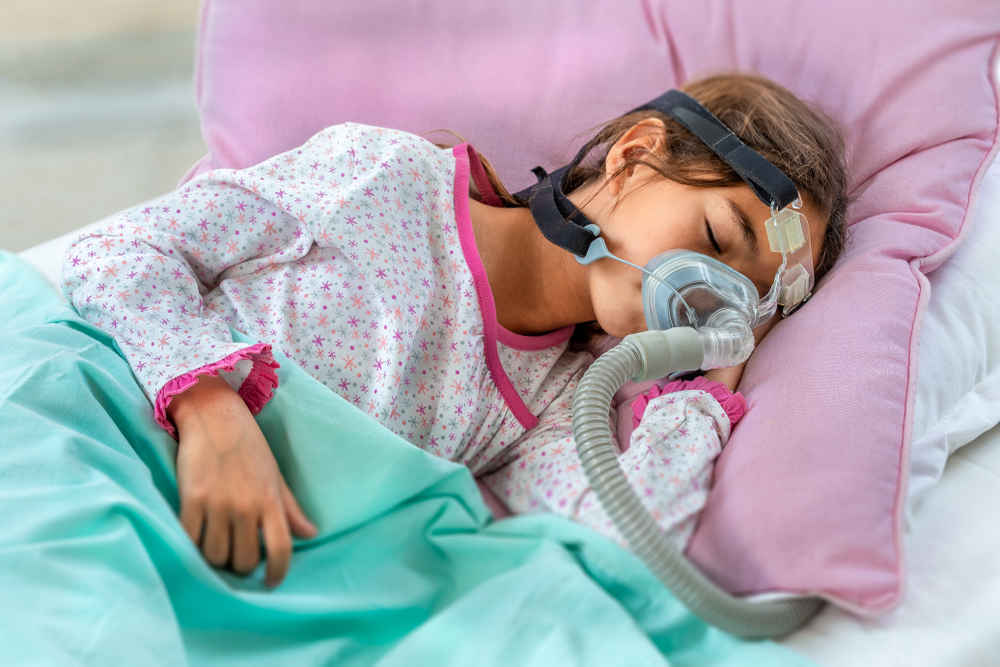
Sleep Apnea & Children
Helping children catch a good night’s sleep: Understanding and managing sleep apnea Pediatric Sleep Apnea, although uncommon, can still be a troubling condition. There are stark differences between Adult Sleep Apnea and PSA. There are differences in causes and effects. Where adults may be a bit irritable and tired during the day, children may develop behavioral and learning difficulties at school, among many other difficulties. Causes of Sleep Apnea in Children Although the most common cause of sleep apnea in adults is excess weight, this is rarely the cause for children. While obesity can be a factor, more often than not, enlarged tonsils or adenoids can cause Pediatric Obstructive Sleep Apnea (POSA) in children. Symptoms of Sleep Apnea in Children During the night, sleep apnea symptoms may seem very common in sleep apnea: Snoring Pauses in breathing Restless sleep Nighttime sweating Bed-wetting Night terrors However, during the day, the most noticeable symptoms may be: Poor grades Attention difficulties Learning problems Behavioral problems Poor weight gain Hyperactivity Treatment for Sleep Apnea in Children If your child is suffering from sleep apnea, your best bet is to have their throat examined. The most common cause of POSA is oversized tonsils, and your child may need to have them removed. If your child’s sleep apnea is not being caused by an obstruction, we recommend seeing your local sleep dentist. Don’t Wait to Get Your Child a Good Night’s Sleep If you suspect your child may have sleep apnea, don’t wait any longer to seek help. Contact our sleep apnea specialist today to schedule a consultation and take the first step toward a better night’s sleep. Don’t let sleep apnea control your child’s life. Take control of your child’s sleep health now.

Sleep Apnea & Depression
Sleep Apnea & Depression Keep An Eye on Your Mental Health Sleep apnea can wreak havoc on your life — it causes both physical and mental health issues. At our Encino sleep dentist’s office, we want to make sure your treatment goes seamlessly. But that isn’t always possible. Lack of sleep can be a dangerous thing, and if you aren’t paying attention, serious mental health conditions can sneak up on you. Effects of Sleep Apnea on the Body Sleep Apnea occurs when your body stops breathing periodically while you sleep. When you stop breathing, blood oxygen levels are reduced and there’s a strain on your heart and cardiovascular system. People with untreated sleep apnea have an increased risk of hypertension, stroke, diabetes, arrhythmias, depression, reflux, impotence, and more. Effects of Sleep Apnea on Mental Health As one can imagine, reduced oxygen to the brain isn’t good for any part of living life. Not only does it have an effect on your physical health, but also on your mental health. Lack of sleep can leave you feeling sluggish and make it difficult to focus on even the smallest of tasks. All of these effects can leave you at higher risk for depression and other mental health issues such as anxiety. Symptoms of Depression Depression can be easy to spot if you are in the depths of it. So if you suffer from sleep apnea, be on the lookout for these symptoms: Behavioral: Irritability Restlessness Social isolation Mood: Apathy General discontent Guilt Loss of interest or pleasure in activities Mood swings Physical: Dramatic change in appetite Fatigue Where to Find Help At the Encino Center for Sleep Disorders & TMJ, we offer state-of-the-art methods for sleep apnea diagnosis and treatment to help treat your physical health needs. If you feel you are suffering from depression caused by your sleep apnea, we encourage you to seek professional psychiatric treatment. For sleep apnea treatment, call our Encino office at 818-300-0070 or fill out the online contact form.

Sleep Apnea and High Blood Pressure: Risks and Complications
Sleep Apnea and High Blood Pressure: Risks and Complications If you suffer from sleep apnea, there’s a very good chance you may also have high blood pressure (hypertension). Sleep apnea prevents your body from breathing properly while sleeping. When this happens, your body and brain cannot get enough oxygen to function correctly. Your heart begins to work harder to get oxygen, causing hypertension. Obstructive sleep apnea (OSA) has always been closely associated with high blood pressure. That’s why treating sleep apnea can be the first step to lowering hypertension. Sleep apnea treatments vary from using a CPAP machine to lifestyle changes to oral appliances. At the Encino Center for Sleep and TMJ Disorders, we offer comprehensive treatment and education for sleep apnea. When patients understand what factors can put them at risk, and what health matters may arise, we can all be better prepared to treat OSA. Risk Factors In addition to sleep apnea, other factors that can put a patient at risk for high blood pressure include: Excessive weight Age Smoking Poor diet Taking cold medicine Lack of exercise Many of these factors can be easily remedied. Taking steps such as quitting smoking and improving your diet can not only improve your high blood pressure but improve your overall health as well. Consequences of High Blood Pressure Without intervention, high blood pressure can cause serious health risks such as: Heart complications such as heart disease and heart attacks Stroke Chronic Kidney disease Preeclampsia, if pregnant Eye damage Solutions What can be done to prevent high blood pressure? And what can be done to treat it once hypertension has been diagnosed? The first step is to eliminate your risk factors. Our sleep dentist, Dr. Simmons, may recommend certain steps to minimize your OSA symptoms. Some of these steps include: Weight loss Improved Diet Refraining from tobacco or alcohol products CPAP treatment Sleep positioning Oral appliance treatment Once those steps have been taken, you may be referred to a cardiologist to help prevent any further damage. Your Sleep Powers Your Mind and Body You need sleep. Without it, both your brain and body suffer. At the Encino Center for Sleep and TMJ Disorders, we know what a diagnosis can do for someone. If you think you may have sleep apnea, contact our Encino office at (818) 300-0070 to schedule a consultation.
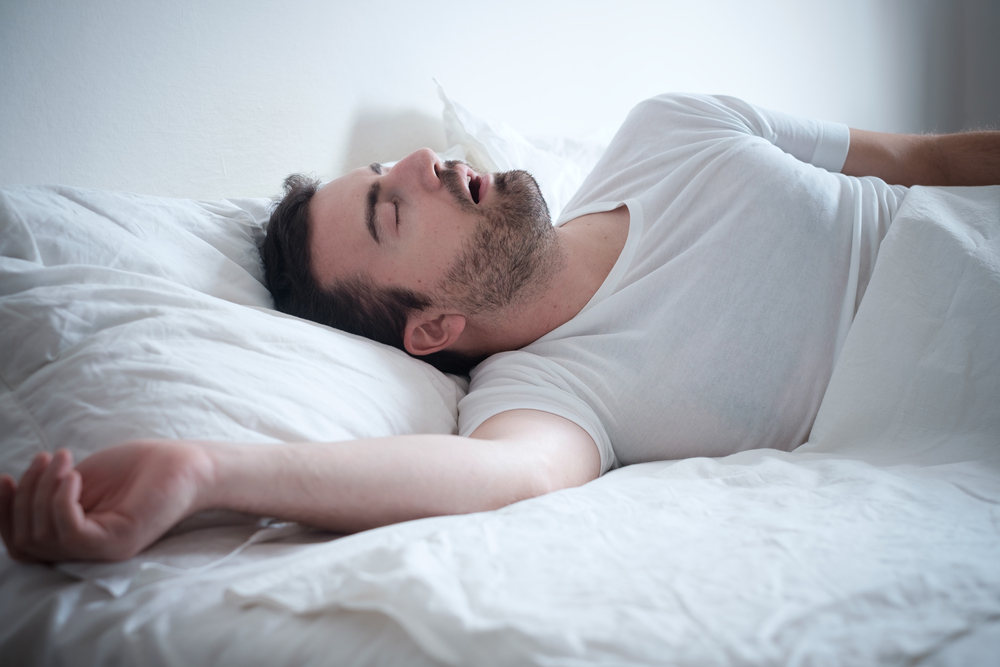
5 Common Causes of Sleep Apnea
5 Common Causes of Sleep Apnea When dealing with sleep apnea, patients sometimes feel desperate to uncover the root cause of their sleep disorder. Sleep apnea can cause high blood pressure, lack of sleep, irritability and so many other health concerns that finding the cause can feel like an immediate need. There are many causes of sleep apnea, and it may take some time to determine the root cause. At The Encino Center for Sleep & TMJ Disorders, we’ve compiled a list of five of the most common causes of sleep apnea. This list is non-exhaustive— if you think you may be suffering from sleep apnea, contact us to set up a consultation and see if you may benefit from a sleep study. Excess Weight Excess weight is one of the easiest causes of sleep apnea to eliminate. When fat deposits settle near the throat, your airway can become obstructed. This may be the first thing your doctor looks at to treat sleep apnea. While losing weight may not come easy to every patient, it’s far easier to remove weight than it is to discard age or genetics. Genetics Sometimes the odds are just against us. Some genetic factors, such as gender and family history, can leave patients predisposed to living with sleep apnea. According to the Mayo Clinic, men are 2 to 3 times more likely to have sleep apnea than women. Alcohol Use Alcohol, sedatives, and tranquilizers are depressants, which means they relax muscles. When the throat and tongue muscles relax beyond their normal rate, it can obstruct the airway and make breathing difficult during sleep. If you’re dealing with sleep apnea, it’s best to avoid such substances so your apnea doesn’t get worse. Health Conditions Many health conditions, from hormonal disorders to heart failure to type 2 diabetes, can have an effect on sleep and the throat muscles. At the Encino Center for Sleep & TMJ Disorders, we recommend talking to your doctor about treatment for your condition in tandem with a sleep dentist to alleviate your sleep apnea. Congestion This cause may just take some time to solve. Congestion clogs the airway and causes difficulty breathing. You can alleviate these difficulties by taking allergy medications, sleeping with a humidifier, or taking a steamy shower to clear the congestion.
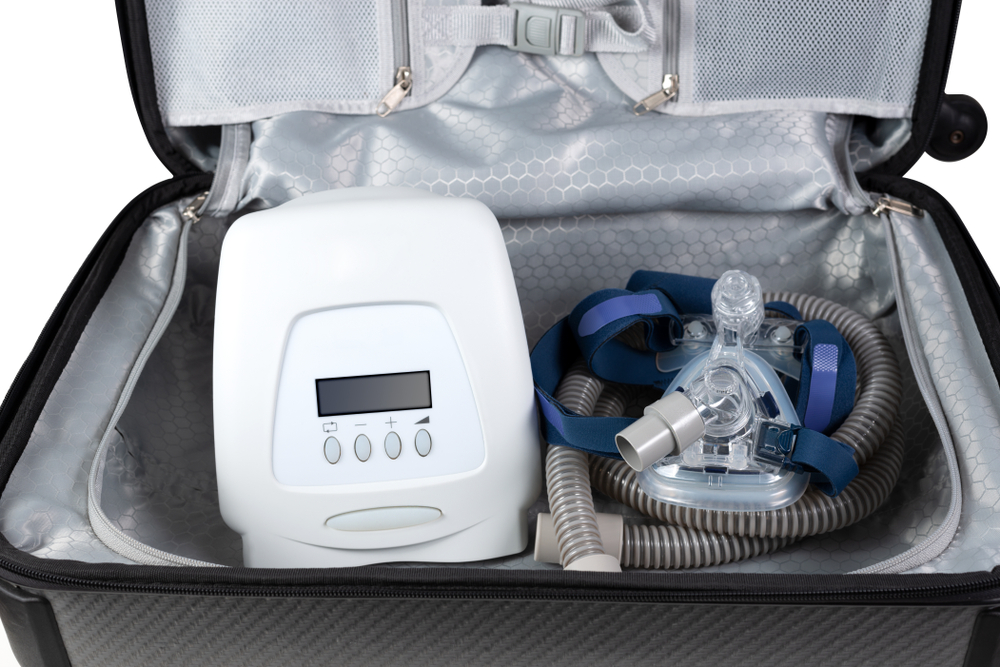
3 Tips for Traveling With Sleep Apnea
Travel Worry Free When the quality of your sleep and your health depends on a piece of medical equipment, planning a trip can seem like a daunting task. If you are taking a vacation, rest and relaxation are at the top of the to-do list. With sleep apnea, the key to getting some R&R is bringing your CPAP machine with you on your trip. It can be intimidating to think about bringing your medical machine with you on a trip or a plane. Thankfully, Encino Center for Sleep & TMJ Disorders has put together the top 3 tips for worry-free traveling with sleep apnea. Keep Up With Maintenance Before you even leave your house, make sure your equipment is in tip-top shape. Clean your CPAP machine, dry it, and make sure you have any old parts replaced. Proper maintenance is essential to making sure you can breathe well during your sleep and ensure that there are no issues with your machine. Bring Your Own Pillow You can’t rely on hotel pillows to always give you the proper support you need when you have sleep apnea. To free your airway as best as possible, it is recommended to have your head elevated while you sleep. To guarantee you get the support you need to have a peaceful sleep, bring your pillow with you from home. This will allow you to rest while your airway gets the proper elevation at night. Make Sure Your CPAP Is Following Airline Guidelines Every airline has different requirements for traveling with a CPAP machine. We advise confirming with your airline what you need to do to travel on their planes. Some things you may find helpful during air travel are: Calling the airline’s accessibility desk and inform them if you plan to use your CPAP machine on the plane Transport it in a plastic bag and keep a copy of your CPAP prescription on hand to make for easier TSA passage Do not check your CPAP machine in with luggage. The last thing you want is for your medical equipment to be lost. Always bring your CPAP as a carry-on. Breathe Easy In Encino, CA At Encino Center for Sleep and TMJ Disorders, we want to make sure you’re getting the best care for your sleep apnea. If you think you may suffer from sleep apnea, please talk to your primary care physician and contact us at (818) 300-0070 or by filling out our online contact form.

What Causes Sleep Apnea Headaches?
What Causes Sleep Apnea Headaches? If you have sleep apnea, morning headaches are no stranger to you. If you aren’t aware of the connection between sleep apnea and chronic headaches, you may have thought you’ve been suffering from migraines. This misunderstanding often causes people to simply think “there’s nothing to be done,” and take some pain medication and suffer through the day. At Encino Center for Sleep Apnea & TMJ Disorders, we’re dedicated to the comfort and health of our patients. If you’re a sleep apnea patient who experiences chronic headaches, or you suspect you may have sleep apnea, please visit our page about sleep apnea diagnosis. What Is a Sleep Apnea Headache? Sleep apnea is a condition that causes breathing to stop during sleep. This causes your body and your blood to become deprived of oxygen throughout the night. When blood becomes deoxygenated, it traps in carbon dioxide, causing blood vessels to grow. This growth results in pressure being put on the brain and thus, giving you a headache. Apnea Headaches vs Migraines To those unfamiliar with sleep apnea, a headache caused by the condition can easily be mistaken for chronic migraines. But there are some differences that can help you to know which one you’re experiencing: Studies suggest sleep apnea headaches occur on both sides of the head Migraines can last hours or days, while sleep apnea headaches only last about 30 minutes Migraines often come with nausea and sensitivity to light Sleep apnea headaches occur more frequently Regardless of which kind of headache you experience, it may be wise to discuss your symptoms with your primary care physician. Helpful Tips and Treatments CPAP Therapy The most common treatment for sleep apnea is the use of a CPAP (continuous positive airway pressure) machine. CPAP is a therapy that uses air pressure to force the body to continue breathing during sleep. CPAP is the most effective treatment for sleep apnea. Along with preventing your headaches at the source, CPAP therapy can also: Lower high blood pressure Reduce the risk of stroke Reduce lapses in breathing Oral Appliance Therapy Oral Appliance Therapy, or OAT, is a treatment choice for many sleep disorders. It’s often recommended for simple snoring, mild to severe sleep apnea, and for CPAP intolerant patients. These appliances typically work by advancing the jaw and keeping the tongue from blocking the airway, and by tightening the throat muscles, causing the throat to be more open so you can breathe better. These devices may appear similar to athletic mouthpieces and orthodontic retainers, but they’re significantly different. Oral appliances are generally quite effective and are well tolerated by most patients. Changes to Lifestyle If you aren’t ready to apply a CPAP machine or an oral appliance to your sleep, there are lifestyle changes that can be made to reduce sleep apnea. Avoid alcohol before bedtime- Alcohol and other sedatives relax your muscles, making it more likely for you to experience an obstruction in your airway. Weight loss — If you’re overweight, your doctor may recommend weight loss as an option for alleviating sleep apnea. This is because fatty deposits can often reside in the neck and tongue which add to blockages in the airway. Change your sleeping position — sleeping on your back can exacerbate sleep apnea issues. Try sleeping on your side or stomach to free up your airway at night. Find the Relief You Need at Encino Center for Sleep and TMJ Disorders At Encino Center for Sleep and TMJ Disorders, we want to make sure you’re getting the best care for your sleep apnea. If you think you may have sleep apnea, please talk to your primary care physician, or contact us at (818) 300-0070. You can also fill out an online contact form and we’ll get back to you shortly.
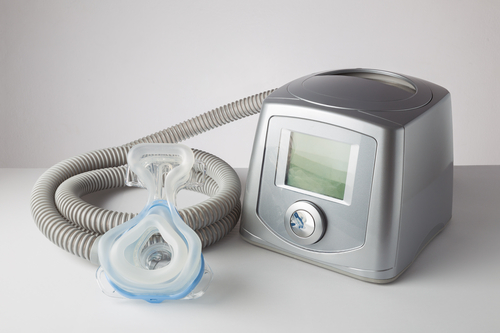
5 Tips For a Better CPAP Experience
5 Tips For a Better CPAP Experience Living with sleep apnea can make falling asleep and, more importantly, staying asleep a nightly struggle. Even using a CPAP machine can come with its own challenges. Some patients find the mask difficult to keep on while they sleep. Others struggle because their machine’s settings aren’t customized for them, or because there are features on the CPAP machine that they’re unaware of. At the Encino Center for Sleep and TMJ Disorders, we know that proper use of a CPAP machine can make a world of difference. To give our patients the best chance at a good night’s sleep, we’ve compiled a list of some of the top tips for CPAP success. Make Sure Your Mask is the Correct Size If your CPAP mask doesn’t fit properly, it can make it difficult for you to breathe easily through the night. An ill-fitting mask can also result in a dry throat or a stuffy nose. If your mask is too tight, you may notice red marks on your face when you wake. However, if it’s too loose, you won’t receive the full benefits of your CPAP machine. Finding the right fit may take some trial and error, as there’s a wide variety of mask shapes, sizes, and styles. However, once you’ve found the perfect mask, you can begin to enjoy a more restful night’s sleep. Keep it Clean Your CPAP can come into contact with any number of things between uses. Skin cells, bacteria, and moisture can interfere with CPAP machines or make them unsanitary to use, which is why it’s so important to keep your CPAP clean. A clean CPAP runs more smoothly and will help you avoid getting sick. While purpose-made cleaning supplies are available, they aren’t necessary. Simply wash the pieces of your machine with warm water and mild soap before hanging them to dry during the day. Give It Some Time Sleeping with a mask over your face can take some getting used to. If you’re feeling claustrophobic at night, it can be helpful to wear the mask around your house during the day. This isn’t something you’ll be used to the first night you bring it home, but remember that treating your sleep apnea is highly beneficial to your long-term health. Put the “Ramp” Feature to Use Some people have difficulty falling asleep with the airflow from their CPAP machine at full force. Luckily, many CPAP machines have a “ramp” feature. This setting will slowly build the air pressure over time, so you won’t even notice the change in pressure as you drift to sleep. If you’re considering using this feature, talk with your doctor to determine the optimal air pressure levels for treating your sleep apnea. Make Sure You Have The Right Machine Just like masks can vary in size and shape, many CPAP machines are available as well. Shop around for CPAP machines to find one that has settings and features that will enable you to sleep in complete comfort. Talk with your doctor to discuss your needs and find the best machine for you. Find Relief From Your Sleep Apnea At Encino Center for Sleep and TMJ Disorders, we want to make sure you’re getting the best care for your sleep apnea. If you think you may suffer from sleep apnea, please talk to your primary care physician and contact us at (818) 300-0070 or by filling out our online contact form.
Tips For Cleaning Your CPAP Machine
Your CPAP machine plays a vital role in your overall health and quality of life. Regularly cleaning your CPAP can prevent respiratory illnesses and ensure the longevity of your equipment. By keeping your CPAP clean, you’ll also avoid skin rashes and infections that can occur due to bacteria build-up.
Holistic Solutions For Sleep Apnea
Sleep apnea is a dangerous disorder that has been linked to genetics, as well as environmental factors. While the exact cause of your sleep apnea may be unknown, there are certain holistic solutions that can complement your treatment to ensure the best results are achieved.
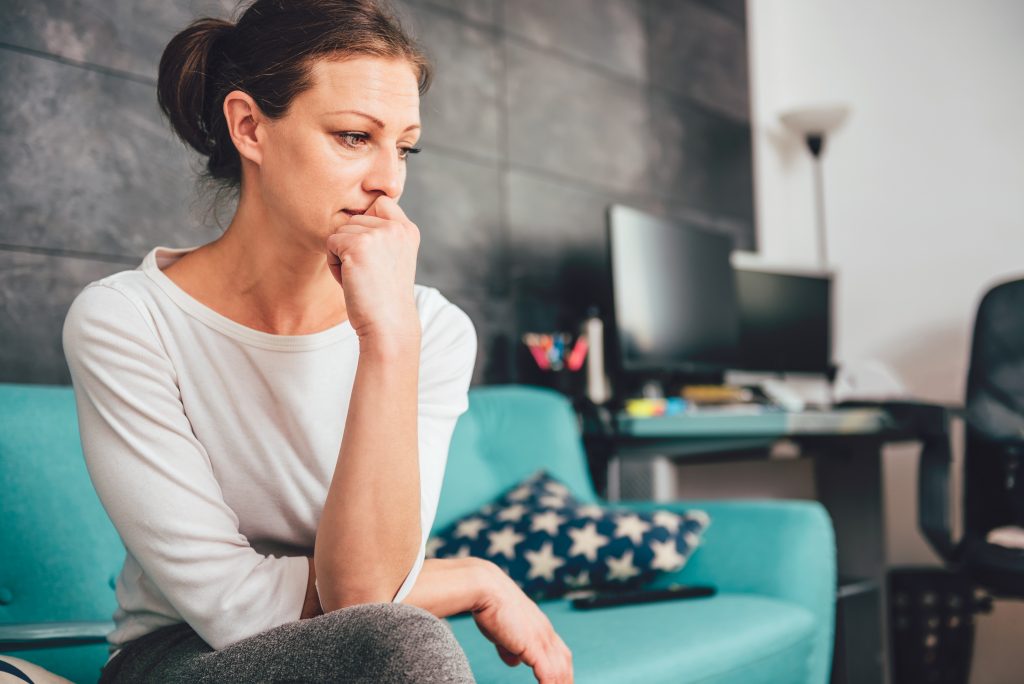
Can Sleep Apnea Cause Anxiety?
Sleep apnea is a dangerous condition that can wreak havoc on almost every aspect of your life. When you consistently fail to reach deep levels of sleep, your body doesn’t have a chance to fully repair itself. ou’ll end up feeling exhausted with a number of serious health consequences just around the corner.
Is Sleep Apnea Genetic?
Sleep apnea is caused by a variety of factors–some of these are environmental factors that we can control, while others are handed down at birth. Genetic predispositions are inherited and interact to form characteristics that makeup obstructive sleep apnea, also called OSA.
Tracking Your Sleep Using a Fitbit
A good night’s rest is vitally important to nearly every aspect of your life. If you’re getting quality rest, you’ll have less stress and better overall health. There are various Fitbit models that have the technology to track your sleep cycles. By utilizing wearable technology, you can make minor tweaks in your routine that make a big difference. It can also provide you with insight into potential health issues related to your sleep patterns.

The Best Pillows for Sleep Apnea
When it comes to sleep apnea, a holistic approach will always yield better results. There are various treatment methods that complement each other and can be combined to meet your individual needs. In addition to weight loss and an oral appliance, Dr. Simmons may recommend positional therapy. Positional therapy focuses on situating yourself in a way that will help to keep your airway open while you sleep.
Understanding Your Sleep Cycles
When you slip into your slumber for the evening, there are numerous factors that play a role in the quality of sleep you experience throughout the night. Are you restless, or restful? Will you wake up several times throughout the night, or sleep soundly? How synchronized are you with your circadian rhythm? Understanding the habits that make up a healthy sleep routine is vital if you want to experience a full night of rest followed by an energized day.
5 Shocking Things that Happen When Your Brain is Deprived of Oxygen
When you think about holding your breath underwater for long periods of time, just the thought can feel suffocating. It’s likely you’ve experienced a breathless moment that’s left a jarring memory, similar to touching your hand to a hot stove or oven. You learn your lesson and try to avoid the harmful stimulus. Your brain needs oxygen to fuel the cells that are vital in carrying out various functions within your body. When you experience moments of apnea — cessation of air — your mind will undergo stages of increasing intensity with passing time.
What To Expect During Your Initial Consultation
Whether you were referred to our office to address your TMJ pain or for sleep apnea, you can rest assured that you’re in good hands. We understand the dreadful effects of a poor night’s sleep and painful mornings and we want to help you on your journey to recovery.
Dr. Simmons will patiently listen to all of your symptoms and concerns so he can create a customized treatment plan to suit your needs. When treating TMJ pain and Sleep Apnea, Dr. Simmons will provide various treatment options so you can decide what’s best for you.
Sleep Apnea and Bodybuilders: The Unlikely Connection
If you’re a bodybuilder facing sleep apnea, one option is to change your lifestyle and stop bodybuilding. However, it may not be necessary for you to give this up in order to improve your sleep apnea. Medical professionals like Dr. Simmons can help you continue your passion without endangering your life.
Are You an Early Bird or Night Owl?
Are You an Early Bird or Night Owl? We all know that seven to nine hours of sleep each night is best for adults to live a healthy lifestyle and function properly the next day. While the amount of time we sleep is essential for our well-being, some may not know that the time of day in which we sleep is also just as important. Everyone has their own sleep schedule which can range from the early morning riser to the late-night owl. Whichever way you prefer to spend your time awake, you should be aware of how these two types of sleep patterns can affect your health. Waking Up with the Sun There are a ton of people who prefer waking up early in the morning so they can enjoy their entire day. Aside from having the whole day to get things done, an early bird, also known as a lark, can also offer the mind and body great health benefits. Living a Balanced Life A 2008 study found that early risers actually perform better in school or at work due to being more productive, better planners, and optimistic. This can set up early birds for a much more successful life, which will also improve their happiness. In fact, being an early bird can genuinely make a person happier and more positive in life. Those who go to bed earlier tend to be more social and well-balanced than night owls who prefer a quick rush. Additionally, melatonin, which is the hormone that helps us sleep, is actually more frequently produced at night. You may notice that if you take a nap during the day you might wake up feeling a bit foggy and tired still. This is due to the last of melatonin being produced. Enjoying The Night Life Being on the other side of the spectrum, a night owl prefers being awake most of the nighttime and sleeping later into the day. Although there are some health benefits for night owls, it doesn’t quite meet those of an early bird. A Quieter Life for the Night Owl Being up all night has its own pros and cons. A night owl has been found to be quite intelligent, but are often more depressed. Studies have found depression to be very common amongst night owls because most of the world lives an early bird life. While they’re sleeping all day, the rest of us are getting through each day and when it’s time for bed, night owls are up all night. Since night owls miss out on what’s happening during the day while most people are out and about, they struggle with most non-work activities such as going grocery shopping or meeting up with friends for coffee. If they’re up late nights because of their work schedule, it’s likely they become more isolated from their peers. Improving Your Sleep Quality Knowing your own body’s natural clock when it comes to your sleep schedule can help enhance your sleep. Understanding ways to make your nighttime slumber better can greatly boost your quality of life. Sometimes it may be hard to determine why your body clock is off. If you’re one to snore or often wake up throughout the night, this can mean you’re not gaining a sufficient amount of sleep. A sleep test is a great way to find out how you can improve your sleep habits. Dr. Simmons can help guide you to the right diagnosis and offer various treatments that can restore your ability to rest through the night.
How Sleep Apnea Can Affect Your Mental Health
People with sleep apnea can wake up hundreds of times per night and not even realize it. When you can’t breathe, your body will wake you momentarily to resume airflow. But these moments are so short that you may not be conscious enough to remember them. They’re not so short that they don’t impact your sleep, though. People with sleep apnea are often consistently deprived of restful sleep, which is an effect that worsens physical and mental health.
Redesign Your Bedroom for a Better Night’s Sleep
Redesign Your Bedroom for a Better Night’s Sleep Staying up all night because you can’t fall asleep can cause a major strain on your daily life. Whether your restless nights are caused by a mental distraction or sleep disorder, it can be hard to overcome. No matter what the reason may be, there are a ton of ways to help improve your sleep. A great place to start is by redesigning your bedroom because this can have a huge impact on your nighttime slumber. See what alterations you can make to your room in order to achieve a better night’s rest and an even more revitalized day. Change the Temperature Do you ever feel like you can’t fall asleep because you’re too hot, or you wake up from a deep sleep sweating? Warmer temperatures do actually mess with your sleep and it can make it harder for the body to fall asleep. Researchers have found that the optimal temperature for a good night’s rest can range from 60 to 72 degrees Fahrenheit. If you think the heat in your room is affecting the way you sleep, open up the windows when it gets cooler in the evening, use a fan, or even put your AC on a schedule throughout the night. Is It Time for a New Mattress? Sometimes your mattress can become dull after many years or maybe it’s just not the right fit for you. A mattress plays a big role in the way you sleep and if it’s too hard or too soft, it can make it difficult to fall asleep comfortably. Everyone prefers a different level of support when it comes to their bed, and each mattress can change the way a person sleeps if it’s the right fit. These various types you can try include: Memory foam: A long-lasting, soft material known for providing good support and excellent pressure relief as it molds to your body shape. Air bed: This is not the same as an inflatable air mattress, instead these are filled with air and upholstery instead of traditional spring. Innerspring: An innerspring mattress uses a steel coil support system covered in padding and upholstery. Another factor that may affect your sleep at night is your bedding. Make sure you have soft, cool sheets and a comforter that feels nice against your skin to keep you cozy. Block Out Any Outdoor Light or Sounds When it’s time for bed, you also want to eliminate any distracting light that may shine into your room. A good way to get rid of unwanted light is to install blackout curtains on your windows or simply buy darker curtains with a thick fabric. Additionally, if you live in a busy area, the outside sounds might keep you up at night or prevent you from getting into a deep sleep cycle. White noise or nature sounds help blur background noise and can create a calming environment for you to fall soundly asleep. Turn Off Electronics Before Bed Your phone screen or TV can have a huge impact on how you sleep throughout the night. A study found that the blue light emitted by screens suppresses the melatonin found in your body. Your phone or TV screen can also increase stress levels, keep your mind awake for a longer period of time, and sometimes generate negative thoughts. So, try to stop using your electronics at least 30 minutes before going to bed. Ask a Professional If these bedroom changes still don’t help your sleep cycle, you may be suffering from an underlying health issue that needs the diagnosis of a professional. Sleep-related disorders like insomnia or sleep apnea can be detrimental to your sleep quality and life, so it’s best to find help from a specialist right away. Dr. Simmons can recommend either a polysomnogram (PSG) or a home sleep test (HST) if you believe you have sleep apnea, which determines if your breathing pattern is affecting sleep. Finding out about the symptoms of sleep apnea will help you receive the right treatment for your nighttime obstacles. Give Dr. Simmons a call at 818-300-0070 if you have questions about your sleep or snoring and to get scheduled for a consultation.
5 Ways Sleep Apnea Endangers Your Life
OSA is a Serious Condition Obstructive sleep apnea (OSA) may not seem like that big of a deal. Sometimes, people don’t even remember waking up throughout the night and believe nothing is wrong. Even in these cases, OSA can threaten your life. Sleep is vital to your bodily functions, so waking up multiple times throughout the night is detrimental. Learn about some of the ways OSA can affect your health. 1. Heart Conditions The most serious health condition related to sleep apnea is its impact on the heart. In people who have heart issues, sleep apnea is a common thread — according to the Harvard Heart Letter, up to 83% of people with cardiovascular disease also have sleep apnea and up to 53% of people with heart failure. OSA deprives your body of much-needed oxygen while you sleep, leading to high blood pressure. Seeking treatment for sleep apnea and normalizing your nightly oxygen flow can prevent the development of these issues. 2. Car Accidents When you’re tired, you’re more likely to make mistakes. People with OSA often feel fatigued and have difficulty concentrating. On the road, that could mean the difference between life and death. In a study published by the American Academy of Sleep Medicine, researchers found that people with OSA are 2.5 times more likely to be the driver in a car accident. With treatment, this number fell by 70 percent. 3. Unemployment Sometimes the mistakes you make don’t directly put you in danger, but can instead lead to performance issues on the job and reduce your productivity. People who have sleep apnea are more likely to become unemployed because of this. Unemployment may not seem like a health issue, but being without a job actually affects your health in several ways. People who are unemployed are often affected by higher levels of mental health issues, chronic disease, and premature mortality. Being unemployed with sleep apnea may further affect your mental and physical health. 4. Diabetes Diabetes is an increasingly common disease in America — as of 2015, more than 100 million adults were living with diabetes or prediabetes and more being diagnosed consistently. There are many potential causes of Type 2 diabetes, but all result in your body’s resistance to insulin. OSA can both lead to and worsen Type 2 diabetes. In a study published by the American Diabetes Association, the pauses in breathing commonly experienced by people with OSA can affect your glucose metabolism directly, and cause you to become insulin-resistant. Fortunately, the treatment of OSA was also found to help restore balance to your glucose metabolism. This means the improvement 5. Relationship Issues Another indirect health determinant is your relationship status. Not just whether you’re single or married, but the quality of the relationship that you have. Strong and supportive relationships can keep you healthy, while relationships that are in discord worsen your health over time. OSA can put a major strain on relationships. Especially if you snore loudly, your partner can suffer from sleep deprivation as well. Continuously interrupted sleep often turns a couple against each other and creates a hostile environment for emotional and physical health. In a study conducted by Harvard University beginning in 1938, researchers followed the lives of over 700 men. As of 2017, more than 60 of the original participants are still taking part. The study found that relationship satisfaction was a significant contributor to lifespan. Treating your OSA can not only save your life but your partner’s life, as well as your relationship. Treatment Can Save Your Life Living with OSA can be difficult and even deadly, but it doesn’t have to be. Dr. Michael Simmons can help you feel invigorated by finding the best treatment option for you. Dr. Simmons can provide you with a custom-made oral appliance that not only treats sleep apnea but is comfortable and convenient to wear. These mouthguards are often just as effective as CPAP machines and can keep you from snoring throughout the night. To learn more about your treatment options, call our office at 818-300-0070 to talk to us. We’ll be happy to answer your questions about sleep apnea and treatment at our office.
Common CPAP Issues & How to Solve Them
Effective Treatment for Sleep Apnea Continuous Positive Airways Pressure (CPAP) machines are the most commonly prescribed treatment for sleep apnea. They push air into your lungs to unblock your airway, ensuring you keep breathing throughout the night. But many people don’t use their CPAP machines even though they help treat sleep apnea due to issues with comfort and their ability to sleep while wearing them. Though it’s understandable, treatment is very important for preventing serious health problems. Learn what you can do to make treatment with CPAP easier. My CPAP Machine Makes Too Much Noise While older CPAP machines were noisier, newer models are designed to remain quiet while running. Switching to a newer machine may help to eliminate the noise you’re hearing. If you already have a newer machine and it’s making a lot of noise, the air filter may be blocked or need to be cleaned. If there’s something covering the filter, the machine may make more noise. After checking your machine to ensure it’s running properly, you can try wearing earplugs or running a white noise machine while you sleep. My Mask Is Uncomfortable If you find your mask uncomfortable to wear, you may want to try a new one. There are many different styles of CPAP masks that you can use and many people try several before they settle on one they like. Your mask sizing could also be off. A mask that doesn’t properly fit your face can dry out your nose and cause skin irritation. I Have Difficulty Falling Asleep Having a mask over your face while you sleep may be difficult to get used to, but eventually, you’ll be able to sleep with it. If you’re having difficulty adjusting to wearing your mask at night, try wearing it during the day unattached to the machine to adapt to the sensation. Wearing your mask during the day and gradually working up to wearing the whole thing at night can also help to reduce feelings of claustrophobia. My Mask Comes Off When I’m Asleep You may not mean to remove your mask while you’re asleep, but it can come off sometimes. If you move around a lot while you’re asleep, you may consider switching to a full-face mask because it’ll stay on. Your unconscious self may pull the mask off if your nose feels congested, so ensuring the mask fits properly can prevent this. You can also add a CPAP-heated humidifier to keep your nose from drying out. Additional straps, such as a chin strap, are also available to keep your mask fitting well. My CPAP Machine is Too Large CPAP machines have become smaller with the advancement of technology, but they do still take up space. If you find your nightstand too cluttered with the addition of a CPAP machine, you can ask for additional tubing to place your CPAP somewhere further away. If you travel often and have difficulty taking your CPAP machine with you, a portable oral appliance can help. Oral appliances are small mouthpieces that also treat sleep apnea and can often replace a CPAP machine entirely. Oral appliance therapy and CPAP machines aren’t mutually exclusive treatments. You can use a CPAP machine at home and travel with your oral appliance. This may be helpful, especially in severe cases of sleep apnea. You Have More Options Though CPAP machines are highly effective at treating sleep apnea, they aren’t your only option. If you’re done trying to make your CPAP machine work for you, Dr. Simmons can provide a convenient and portable oral appliance. Oral appliance therapy is often just as effective as CPAP for obstructive sleep apnea patients. These mouthpieces are quiet, easy to travel with, and customized to fit your mouth. If you’re interested in oral appliance therapy or sleep apnea treatment, contact our office by calling 818-300-0070 to speak to us. Dr. Simmons can help you find the right solution for your sleep apnea.
5 Myths & Facts About Sleep Apnea
Sleep Apnea is Often Misunderstood Though sleep apnea is a very common disorder, affecting around 25% of Americans aged 30-70 (over 60 million people), there are many misconceptions about it. Learn about some of the most common myths surrounding sleep apnea as well as the truth behind them. 1. Snoring Isn’t a Big Deal Snoring is commonly seen as a quirk — some people twitch in their sleep, take up a lot of space in the bed, and some snore. But snoring isn’t harmless. In fact, it’s one of the most common symptoms of sleep apnea. If you snore loudly and persistently, it’s recommended you undergo a sleep study to determine if you have sleep apnea. But snoring isn’t always indicative of sleep apnea — it could be benign. Even if your snoring isn’t putting your life at risk, it can have negative effects on your relationships. Sharing a bed with a snorer can affect the sleep of your partner and is the third leading cause of divorce. 2. I’m Not Old Enough to Have Sleep Apnea Though many think that sleep apnea doesn’t affect younger people, it can. Being older increases your risk of developing sleep apnea, but isn’t the only factor. Sleep apnea can even affect children, but it’s often misdiagnosed as ADHD because of symptom overlap. Children who are affected by sleep disorders tend to act out, seem irritable, and have difficulty concentrating on tasks. 3. Sleep Apnea Only Affects Overweight People Weight does play an important part in developing sleep apnea, but not being overweight doesn’t mean you can’t have the disorder. People of all weight ranges can have sleep apnea with about 1/3 of those with sleep apnea not overweight. Sleep apnea has a lot to do with the circumference of your neck. A neck circumference of more than 16 inches for women or 17 inches for men can increase your risk of having sleep apnea. If you do have sleep apnea, the condition can also affect your weight in turn. Weight gain associated with sleep apnea can worsen your condition by increasing your neck circumference. 4. I Feel Fine, So I Don’t Need Treatment Many people don’t even realize they have a sleep disorder. Even if you wake up many times throughout the night, you may not remember it because it’s so brief. But your body is still affected by these interruptions. If left untreated, sleep apnea can leave you at risk for more serious health conditions. You could develop high blood pressure, cardiovascular disease, memory problems, weight gain, and headaches. Feeling tired throughout the day can lead to more mistakes, including vehicular accidents. Mistakes and lower productivity in the workplace lead people with sleep apnea to become unemployed more often. 5. CPAP Is the ONLY Sleep Apnea Treatment CPAP is the most common form of sleep apnea treatment because it can improve the symptoms of the most severe cases of sleep apnea. But CPAP isn’t your only option. Oral appliance therapy can be just as effective and is preferred by patients when they have tried both CPAP and oral appliance therapy. There are also surgical options and some newer non-surgical laser therapies that can address improving the connective tissue in the upper airway. Dr. Simmons can provide you with a customized oral appliance that can treat sleep apnea just as well as a CPAP machine, in many cases. These mouthpieces are small, making them easy to travel with and they’re also completely quiet. Dr. Simmons Can Help You If you’ve noticed the symptoms of sleep apnea in yourself or a loved one, undergoing a sleep study can help to determine the treatment you need. When you have a diagnosis of sleep apnea, Dr. Simmons can treat you and restore your ability to thrive. Call our office at 818-300-0070 to learn more and start your journey towards better sleep and more energy.
Is Quality or Quantity More Important When it Comes to Sleep?
How Sleep Cycles Work When you sleep, your body goes through different categories of sleep called cycles. These cycles are divided into two types: non-REM and REM sleep. Both of these types of sleep are important for your health, but missing out on REM sleep has been shown to have a significant impact. REM, short for rapid eye movement, is the period of sleep where you experience brain activity that’s similar to when you’re awake. This is the stage of sleep in which you dream the most and it plays an important part in processing memories and regulating emotions. The Effects of Sleep Though the details of sleep still remain a mystery, it’s clear that it’s a vital part of our lives. When you don’t get enough sleep, particularly REM sleep, you not only feel very tired but your physical and mental health can be affected. Because the REM stage is important for emotional stability, a lack of REM sleep has been associated with anxiety and depression. If you keep losing sleep, you could also be at a higher risk for serious conditions such as heart disease, high blood pressure, and diabetes. Feeling tired throughout the day can also lead to dangerous situations. Driving while drowsy can cause fatal and nonfatal vehicle accidents, placing you and others in danger. You’re more likely to make mistakes when you’re tired. Quality versus Quantity You’ve probably heard that most people should try to get around eight hours of sleep a night. The National Sleep Foundation recommends that adults aim for between seven to nine hours of sleep. But hours of sleep at night is not the only factor in how well you sleep. Sleep quality and quantity are interconnected in a formula that varies from person to person. Both are very important to your overall well-being and are n. However, according to a study, quality is slightly more important. Signs of good sleep quality include: Sleeping at least 85 percent of the time you’re in bed Falling asleep in 30 minutes or less Waking up at most once a night Falling back asleep again in 20 minutes or less if you do wake up That doesn’t mean that the number of hours you sleep doesn’t matter. According to a study by the American Thoracic Society, less than six hours or more than ten hours of sleep for adults per 24 hour period is associated with adverse health outcomes. How Sleep Apnea Affects Your Sleep Sleep apnea causes the walls of your throat to close, leading to pauses in breathing. When your breathing stops during sleep, your body sends a signal to your brain to wake up and resume breathing. Constant waking throughout the night is common in people with sleep apnea. This sleep disorder can affect the quality and quantity of sleep that you get, leading you to feel fatigued as well as to have difficulty concentrating in your daily life. Sleep apnea is one of the foremost interrupters of REM sleep, which is why it’s vital to seek treatment. Sleep Apnea Treatment Can Help Sleep apnea treatment comes in many forms, but the goal is always to improve your sleep so you don’t develop more complex health conditions. Treatments aim to keep your throat open throughout the night so you won’t have trouble breathing or wake up. Getting the right amount of good-quality sleep can make all the difference in your life. You shouldn’t have to feel grumpy and tired all the time because of sleep apnea. Seeking treatment can not only improve your quality-of-life now but save you health issues and money down the road. Dr. Simmons is a national expert in sleep health and lectures widely on the subject. He advocates for patients to get the sleep health care they need. If you, a family member, or a friend have a sleep problem, please call our office at 818-300-0070 to schedule an appointment for a comprehensive exam.
The Connection Between Sleep Apnea & PTSD
Sleep apnea and PTSD are both very serious conditions that affect many lives. They also have a connection that can worsen both conditions. Learn more.
Optimize Your Life: Top Reasons to Treat Your Sleep Apnea
Sleep apnea is a medical condition that can lead to severe consequences if you don’t treat it. Dr. Simmons explains five reasons why you’ll be happy you sought help at our Encino practice.
Is It Sleep Apnea or ADHD?
Sleep apnea is often misdiagnosed as ADHD (attention deficit hyperactivity disorder) because the two conditions share similar symptoms. See how you can spot the difference.
Sleep Apnea & Heart Health
Your quality of sleep directly impacts the health of your heart. Dr. Simmons discusses the correlation between sleep apnea and cardiovascular health.
Develop a Nighttime Routine for Better Sleep
A restful night’s sleep can differentiate a good day from a bad one. Check out these tips to help you create the perfect scene for sleep.
Could My Child Have Sleep Apnea?
Sleep apnea is a severe condition that is often misdiagnosed in children as ADHD. Explore this post so that you can identify the signs of sleep apnea in your child.
4 Ways to Fight Sleep Apnea at Home
Sleep apnea is a serious medical condition that requires professional help. After Dr. Simmons has provided treatment, combine it with these lifestyle changes to eliminate sleep apnea symptoms.
Foods to Help You Sleep Better
Whether you’ve been diagnosed with sleep apnea, suffer from symptoms of sleep apnea, or just can’t get the same quality of sleep you used to receive, at the Encino Center for Sleep & TMJ Disorders, we have created this page of small dietary improvements that can significantly impact how you sleep.
Exercise & Sleep Apnea
Sleep apnea is a serious medical condition that affects the heart and how a person breaths during sleep. Symptoms of sleep apnea can range from loud snoring to excessive daytime sleepiness. There are a couple of types of treatment available to our patients, but recent studies have found that daily exercise can lower the severity of sleep apnea symptoms by about 25%.
Getting the Most out of Your Sleep Study
According to the American Sleep Apnea Association, approximately one in five Americans report having sleep-related problems. One of the most common sleep disorders is sleep apnea, which is a serious medical issue that increases your chances of suffering from a dangerous stroke, heart attack, or other medical problems.
Does Sleep Apnea Affect Pregnancy?
Loud snoring is usually what people associate sleep apnea with, but not all snorers have it. Partners have noted that the other partner sounds like they are choking or gasping breathlessly in their sleep.
How Your Snoring Affects the Person You’re Sleeping With
A lot of people snore, and it’s common for snorers to report that it bothers the people close to them. This is particularly true for spouses and sleep partners who share a bed with someone who snores loudly on a regular basis.
How do I know if I have sleep apnea?
Sleep apnea – defined as frequently interrupted breathing while you sleep – is just one of the major sleep problems you can have, along with others like insomnia, circadian rhythm problems, movement disorders during sleep and others. But apnea is one of the most common complaints, and one of the most serious.
The Comorbidities of Sleep Apnea
Sleep apnea is fascinating because there are so many comorbidities associated with it. If that’s a new word to you, no worries: A “comorbidity” is a medical term; it means the presence of a second (or third or fourth) chronic disease or condition in a patient who already has one chronic condition. Sadly, a number of chronic conditions tend to cluster together. They seem to run in packs.
Why Do I Specialize In Sleep Disorders?
So many people I helped didn’t know why they were feeling so poorly. Sometimes they knew they weren’t sleeping well, but they didn’t know why; others couldn’t figure out what their problem was at all. I began to look into it, and because I was in a teaching institution at the time, I was around a lot of pioneers in the field, people who made big differences in people’s lives in the areas of facial pain and dysfunction. And two things became very clear: Sleep disorders in general, and sleep apnea in particular, was a major problem for many of my patients. And even more important, I came to realize, oral appliances are very effective in treating sleep apnea.
How can I tell if I’m a good candidate for a mouthpiece?
I truly believe that the properly made and maintained mouthpiece (called an oral appliance) can help most patients, at almost any age, with apnea, snoring, obstructive sleep apnea, and more than occasionally for insomnia. But how can you tell if you are a candidate for this particular treatment?

Jacinta S Review
We chose this very amazing practice from a Google search and amazing reviews. The consultation was painless my son, payment arrangements were reasonable, Office is amazing and very accommodating to waiting parents, and staff always friendly.

Michael M Review
I found Alpine & Rafetto to have exceeded my expectations in every considerable regard. Having already had braces with another local orthodontist office, I can say Alpine & Rafetto is one of, if not, the best practice groups in the area.
Marie P Review
My family and I have had a great experience with Alpine and Rafetto Orthodontics with Dr. Rafetto and Dr. Fiss. My children had braces through Alpine and Rafetto and are very happy with the results.