Patients managing obstructive sleep apnea (OSA) who cannot tolerate CPAP face a consequential decision: a surgically implanted nerve stimulator or a custom-fitted oral appliance. The clinical evidence, candidacy requirements, and lifestyle implications differ substantially between these two approaches. Understanding those differences is essential for making an informed choice.
When comparing the inspire sleep implant vs oral appliance therapy, the fundamental distinction is surgical versus non-surgical treatment. Inspire therapy involves implanting a hypoglossal nerve stimulator under the skin of the upper chest and neck during an outpatient surgical procedure. Oral appliance therapy uses a custom-fitted dental device worn during sleep to maintain airway patency by positioning the mandible forward.
Inspire is indicated for moderate to severe OSA patients who meet specific anatomical and BMI criteria. Oral appliances serve a broader patient population, including those with mild to severe OSA and simple snoring. They are fully reversible without any surgical intervention. Both treatments demonstrate clinically meaningful reductions in AHI scores and improvements in patient-reported quality of life outcomes.
Call (818) 300-0070 to schedule a consultation with Dr. Michael Simmons in Encino today. A comprehensive evaluation will determine which treatment pathway aligns with your sleep study findings, airway anatomy, and personal preferences.
The decision between Inspire and an oral appliance represents one of the most significant choices a CPAP-intolerant patient will make. This guide presents the clinical evidence, candidacy requirements, cost considerations, and practical implications of each option. If you have been diagnosed with sleep apnea and are exploring alternatives to CPAP, the information below will help you understand your options.
Inspire Sleep Implant Vs Oral Appliance: What Is Inspire Therapy and How Does It Work?
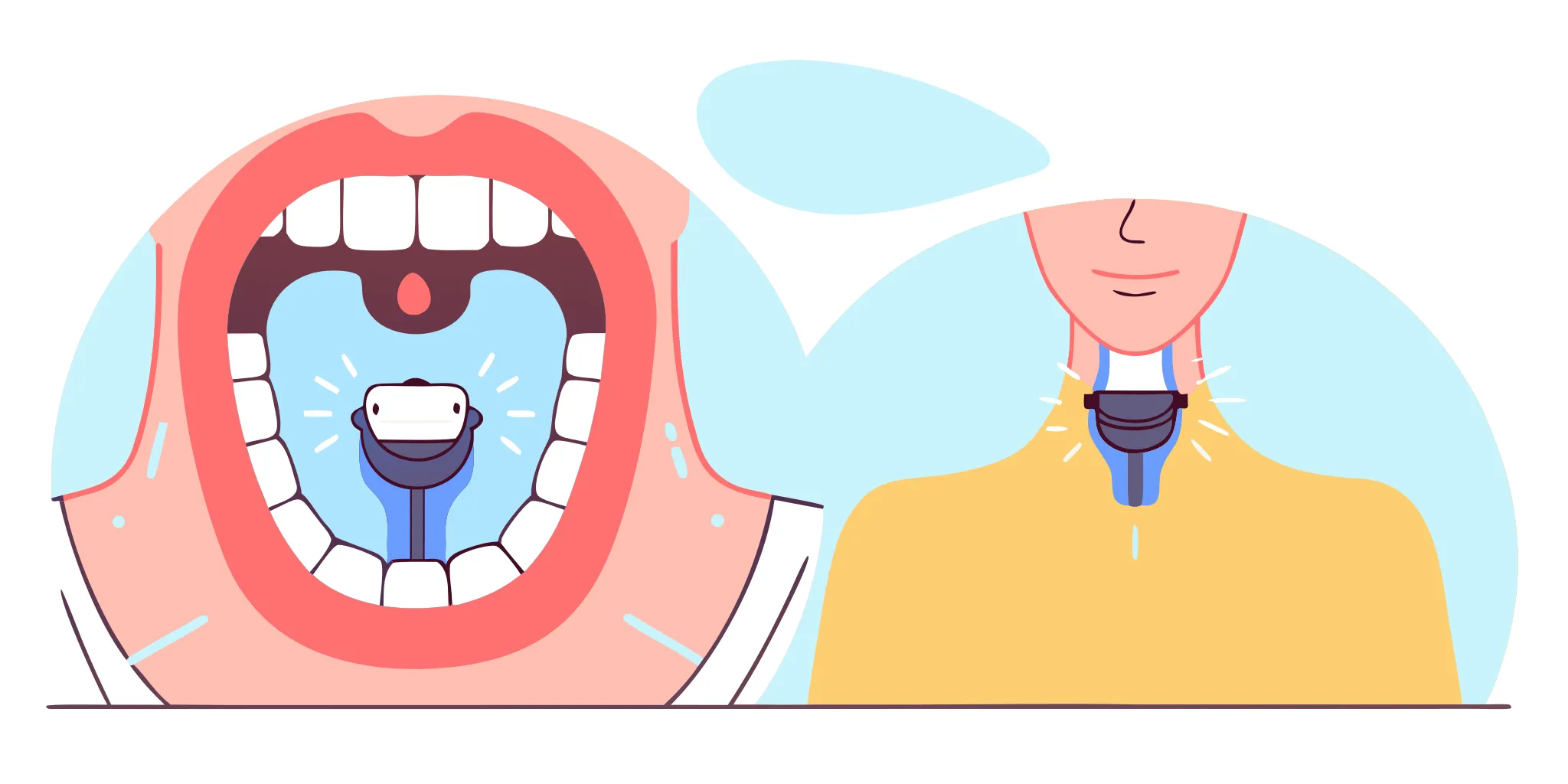
Inspire therapy is a Food and Drug Administration-approved upper airway stimulation system for adults with moderate to severe OSA who cannot tolerate or benefit from CPAP. A surgeon implants a small pulse generator beneath the skin of the upper chest and a sensing lead in the intercostal space. Connected to a stimulation electrode placed near the hypoglossal nerve. During sleep, the device detects natural breathing patterns and delivers mild electrical stimulation to the nerve that controls tongue movement, preventing airway collapse. Patients use a handheld remote to activate the system at bedtime and deactivate it upon waking.
Inspire therapy represents a significant advancement in the surgical management of OSA. Unlike CPAP, which maintains airway patency through pneumatic pressure delivered via a mask, Inspire works by activating the patient’s own neuromuscular anatomy. The hypoglossal nerve (cranial nerve XII) innervates the genioglossus and other protrusor muscles of the tongue. By delivering precisely timed electrical stimulation synchronized with the respiratory cycle, the device prevents pharyngeal collapse during inspiration.
Mechanism of upper airway stimulation
The Inspire system continuously monitors thoracic respiratory effort through a sensing lead placed between the internal and external intercostal muscles. When the patient initiates an inspiratory effort, the system delivers a programmed electrical pulse to the hypoglossal nerve. This stimulation causes anterior displacement of the tongue and stiffening of the anterior pharyngeal wall, effectively opening the retropalatal and retroglossal airway segments. The upper airway stimulation mechanism operates on a closed-loop feedback system, adjusting stimulation intensity within a physician-programmed range based on real-time respiratory feedback.
Surgical implantation and recovery
The implantation procedure is performed under general anesthesia and typically requires approximately 60 to 90 minutes. The pulse generator is placed in a subcutaneous pocket in the right upper chest, similar to a cardiac pacemaker. A second incision near the mandible provides access to the hypoglossal nerve for electrode placement. The sensing lead is tunneled subcutaneously to the intercostal space.
Most patients return home the same day or after a brief observation period. The device remains inactive for approximately four weeks to allow surgical healing. Activation and programming occur during a follow-up appointment, after which the patient begins using the device nightly. Some patients report transient tongue discomfort or mild soreness during the initial habituation period, which typically resolves within several weeks.
Candidacy evaluation
Not every patient with OSA qualifies for Inspire therapy. The FDA-approved indications require a BMI below 32 kg/m2 at the time of implantation, a confirmed diagnosis of moderate to severe OSA (AHI 15 to 65). And the absence of complete concentric collapse at the velopalatal level during drug-induced sleep endoscopy (DISE). This DISE evaluation is critical: patients whose airway demonstrates complete concentric palatal collapse are unlikely to respond to hypoglossal nerve stimulation. Approximately 30 to 40 percent of screened candidates are excluded based on DISE findings alone. Additional exclusion criteria include central sleep apnea, neuromuscular disorders, and the need for magnetic resonance imaging.
Long-term device management
Once activated, the Inspire system requires nightly use. The patient uses a small handheld remote to power the device on before sleep and off upon waking. Battery longevity is approximately 10 to 12 years, after which the pulse generator must be replaced through a minor outpatient procedure. The stimulation settings can be adjusted remotely or in-clinic by the managing physician. Patients return for periodic follow-up to verify therapeutic efficacy and review usage data stored by the device.
What Is Oral Appliance Therapy and Who Qualifies?
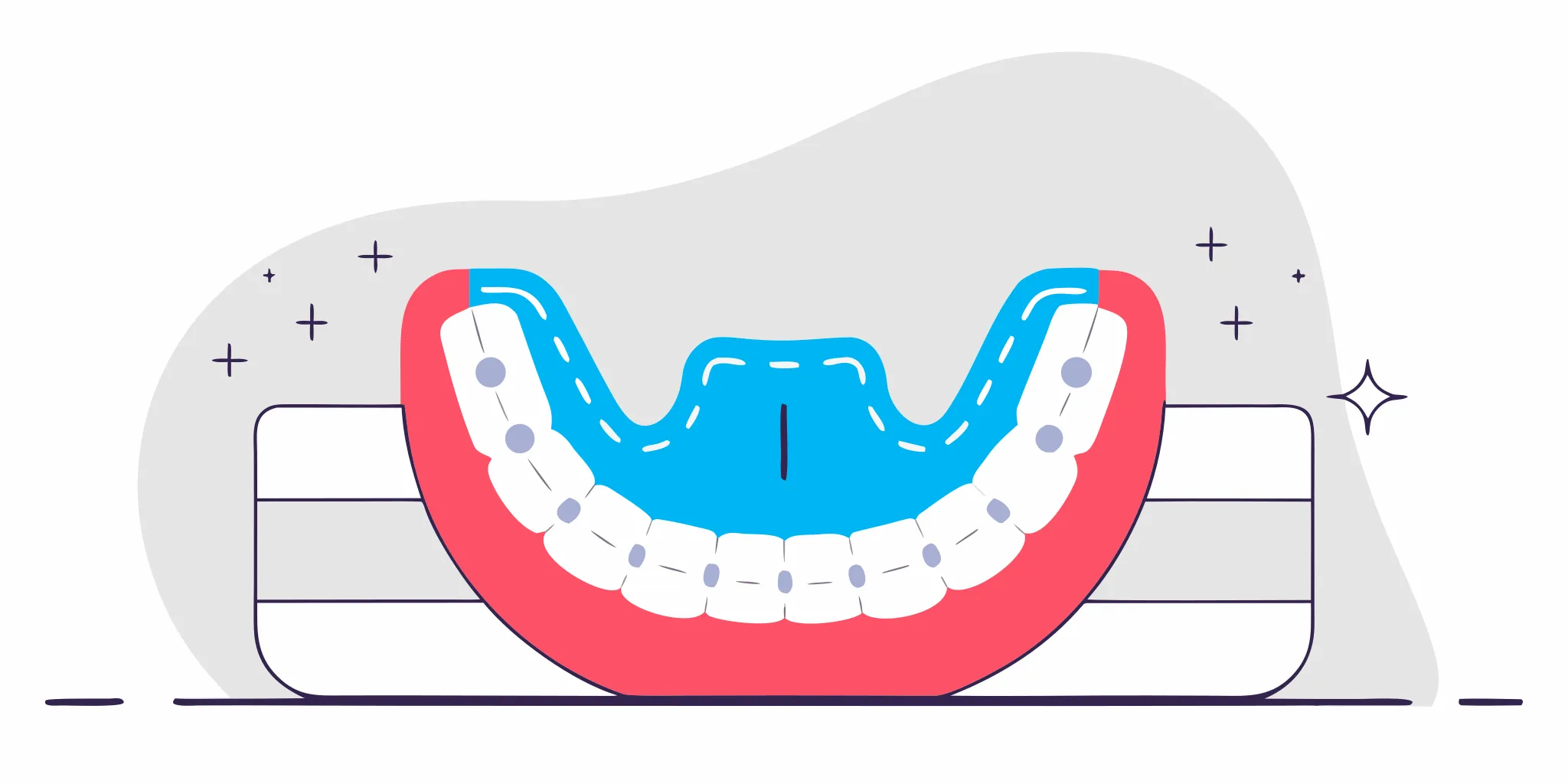
Oral appliance therapy is a non-surgical, evidence-based treatment for obstructive sleep apnea and snoring. A custom-fabricated dental device, similar in appearance to a sports mouthguard or orthodontic retainer, is worn exclusively during sleep. The appliance gently positions the mandible and tongue forward, expanding the pharyngeal airway and preventing soft tissue collapse. Dr. Michael Simmons, Diplomate of the American Board of Dental Sleep Medicine and Diplomate of the American Board of Orofacial Pain. Provides comprehensive oral appliance therapy at the Encino Center for Sleep and TMJ Disorders. This treatment is appropriate for patients with simple snoring, mild to moderate OSA, and selected cases of severe OSA, particularly those who cannot tolerate CPAP therapy.
Oral appliance therapy has become one of the most widely prescribed alternatives to CPAP, supported by a substantial body of clinical evidence. The American Academy of Sleep Medicine recognizes it as a primary treatment option for mild to moderate OSA. Unlike Inspire therapy, oral appliances require no surgery, no implantation of foreign materials, and no permanent anatomical alteration.
Custom fabrication process
Each oral appliance is individually fabricated for the specific patient. The process begins with a comprehensive dental and sleep medicine evaluation, including digital intraoral scans or traditional dental impressions. These records are sent to an accredited dental laboratory where the appliance is custom-manufactured using medical-grade materials. The laboratory fabricates the device to precise specifications determined by the treating clinician.
Once completed, the patient returns for a fitting appointment where Dr. Simmons adjusts the appliance to achieve the optimal mandibular position, balancing therapeutic efficacy with patient comfort. This process typically requires two to three visits over approximately three to four weeks.
Patient candidacy considerations
Oral appliance therapy serves a broader patient population than Inspire. Appropriate candidates include:
- Adults with primary snoring or mild to moderate OSA (AHI 5 to 30)
- Patients with severe OSA who cannot tolerate or refuse CPAP therapy
- Individuals who travel frequently and require a portable treatment option
- Patients with a BMI above the Inspire eligibility threshold
- Those who are not candidates for Inspire due to DISE findings or other medical contraindications
Contraindications include insufficient healthy teeth to support the appliance, active periodontal disease. Severe temporomandibular joint disorders with limited range of motion, and certain dental restorations that may compromise fit. A thorough dental and medical evaluation determines suitability. Most adults with adequate dental health and stable occlusion are candidates for this therapy.
Ongoing care and monitoring
Successful oral appliance therapy requires periodic follow-up. Patients typically return at three to six months after initial fitting for a progress assessment, then annually thereafter. Follow-up care includes verification of therapeutic efficacy through symptom assessment and, when indicated, follow-up sleep studies.
The appliance itself requires routine cleaning and may need replacement or adjustment every two to five years depending on wear, dental changes, and treatment response. Some patients experience temporary jaw muscle discomfort or salivation changes during the initial adjustment period, but these side effects generally resolve within weeks. Oral appliance therapy for sleep apnea at the Encino Center is supported by Dr. Simmons’ specialized training in both dental sleep medicine and orofacial pain, enabling comprehensive management of any jaw-related concerns that may arise.
Clinical Evidence Comparison: Efficacy, Compliance, and Patient Selection
Both Inspire and oral appliance therapy demonstrate clinically significant efficacy in reducing AHI scores and improving patient outcomes. Inspire therapy achieves mean AHI reductions of 16 to 20 points in published clinical trials, with responder rates of approximately 70 to 80 percent based on standard criteria. Oral appliance therapy achieves comparable efficacy for appropriately selected patients, with meta-analyses demonstrating mean AHI reductions of approximately 50 to 60 percent from baseline. Compliance rates are high for both modalities. With objective adherence data showing 80 to 90 percent nightly use for oral appliances and similarly robust usage for Inspire based on device-recorded data.
Dr. Michael Simmons brings exceptional clinical authority to this comparison. He is the first practicing dentist worldwide to receive Fellowship in the American Academy of Sleep Medicine and is board-certified by both the American Board of Orofacial Pain and the American Board of Dental Sleep Medicine. He co-authored a 2024 peer-reviewed publication examining novel therapeutic approaches for sleep-disordered breathing, demonstrating his active engagement with the evolving evidence base.
For patients seeking sleep apnea treatment without CPAP, this depth of expertise ensures treatment recommendations grounded in current scientific evidence.
Objective efficacy measures
The Apnea-Hypopnea Index remains the standard metric for assessing OSA severity and treatment response. Key comparative findings from published studies include:
| Clinical Parameter | Inspire Therapy | Oral Appliance Therapy |
|---|---|---|
| Mean AHI reduction | 16 to 20 points reduction | 50 to 60% reduction from baseline |
| Responder rate | 70 to 80% (standard criteria) | 60 to 75% (standard criteria) |
| Optimal severity range | Moderate to severe (AHI 15 to 65) | Mild to severe (AHI 5 and above, selected cases) |
| Surgical requirement | Required (single procedure) | None |
| Time to therapeutic effect | 4 to 6 weeks post-surgery | Immediate upon fitting completion |
| Objective adherence data | Device-recorded nightly usage | 80 to 90% nightly use in studies |
| Reversibility | Requires explant surgery | Fully reversible, stop wearing appliance |
Patient selection criteria
The appropriate treatment depends on multiple patient-specific factors. Inspire therapy requires strict anatomical candidacy confirmed through drug-induced sleep endoscopy, with approximately 60 to 70 percent of screened patients meeting eligibility criteria. Oral appliance therapy is appropriate for a wider spectrum of patients, limited primarily by dental health status and temporomandibular joint function.
The clinical evidence supporting hypoglossal nerve stimulation continues to expand, with longitudinal studies demonstrating sustained efficacy at five-year follow-up. Similarly, oral appliance therapy is supported by decades of clinical research and systematic reviews confirming its efficacy across multiple OSA severity levels.
Compliance and quality of life outcomes
Treatment effectiveness depends not only on efficacy under ideal conditions but also on real-world adherence. Both Inspire and oral appliances demonstrate superior compliance rates compared to CPAP in published studies. Objective adherence data from Inspire device logs show high nightly usage rates among active patients. Oral appliance adherence, assessed through both self-report and objective monitoring devices, consistently exceeds CPAP adherence rates, with studies reporting 80 to 90 percent nightly use among prescribed patients.
Both treatment modalities demonstrate significant improvements in Epworth Sleepiness Scale scores, Functional Outcomes of Sleep Questionnaire results, and other validated quality of life measures. Patients report meaningful reductions in daytime somnolence, improved cognitive function, and enhanced overall well-being with sustained treatment.
Cost, Insurance Coverage, and Reversibility Compared
The financial and medical commitments differ substantially between Inspire and oral appliance therapy. Inspire involves higher upfront costs including surgeon fees, hospital or surgical center fees, anesthesia. Device costs, and preoperative evaluation expenses, with total costs typically ranging from $30,000 to $50,000 before insurance. Oral appliance therapy involves lower initial costs covering the dental evaluation, digital scanning and laboratory fabrication, fitting appointments, and follow-up care. Both treatments are frequently covered by medical insurance, though prior authorization requirements and coverage criteria vary. Oral appliances are fully reversible, while Inspire removal requires a second surgical explant procedure.
Upfront and long-term financial considerations
The total cost of care for each treatment pathway differs significantly. Inspire therapy represents a substantial upfront surgical investment. The implantable upper airway stimulation system costs include the device itself, surgeon professional fees, anesthesia services, facility fees for the outpatient surgical suite. Preoperative evaluations including drug-induced sleep endoscopy, and postoperative activation and programming visits. Battery replacement, expected at 10 to 12 years, adds a future cost consideration.
Oral appliance therapy involves the initial dental evaluation and examination, digital scanning or dental impressions. Laboratory fabrication of the custom appliance, fitting and adjustment visits, and periodic follow-up care. The appliance may require replacement every two to five years depending on wear and dental changes.
Insurance coverage and reimbursement
Both treatments are typically covered by medical insurance, but the reimbursement pathways differ. Inspire therapy, as a surgical implant, is processed exclusively through medical insurance benefits. Most insurers require documented CPAP failure or intolerance, a confirming sleep study within a specified timeframe, and documentation of appropriate BMI and DISE findings. Prior authorization is almost universally required, and the review process can take several weeks.
Oral appliance therapy may be covered by medical insurance, dental insurance, or both, depending on the specific plan. Medical insurance for sleep apnea treatment without CPAP often requires documentation of OSA diagnosis and CPAP intolerance, similar to Inspire. Many plans provide partial to full coverage, though out-of-pocket costs vary. The center helps patients navigate the insurance submission process to maximize benefits and minimize out-of-pocket expenses.
Reversibility and medical commitment
Reversibility represents one of the most significant practical differences between these treatments. An oral appliance is fully reversible: the patient simply stops wearing the device. And the jaw and airway return to their natural anatomical state with no medical intervention required. This non-surgical characteristic makes oral appliance therapy particularly attractive for patients who value flexibility or are uncertain about committing to a permanent anatomical change.
Inspire therapy is not easily reversible. While the device can be deactivated using the handheld remote, the pulse generator, stimulation lead, and sensing lead remain implanted. Removal requires a second surgical procedure known as explantation, which carries its own operative risks and recovery period. Patients considering Inspire should carefully weigh this long-term commitment before proceeding.
Which Treatment Is Right for Your OSA Severity and Lifestyle?
The choice between Inspire and oral appliance therapy depends on a constellation of factors including OSA severity. Airway anatomy, BMI, dental health, personal preferences regarding surgery, lifestyle considerations, and medical history. A comprehensive evaluation by a qualified specialist is essential. Dr. Michael Simmons and the team at the Encino Center for Sleep and TMJ Disorders conduct thorough assessments that include review of sleep study data. Dental and medical history, airway evaluation, and discussion of patient goals and preferences to develop an individualized treatment recommendation.
Sleep apnea severity and anatomical considerations
OSA severity, quantified by the AHI from a diagnostic sleep study, is a primary factor in treatment selection. Both options are clinically viable for moderate to severe OSA, but candidacy requirements differ. Inspire therapy mandates relatively strict anatomical criteria confirmed through DISE, limiting its applicability to a subset of patients. Oral appliance therapy requires adequate dental structure and healthy temporomandibular joint function but does not impose the same airway collapse pattern restrictions.
Patients diagnosed with sleep apnea should understand that both treatments have strong evidence supporting their efficacy, but individual anatomy ultimately determines which option is most appropriate.
Lifestyle factors and personal preferences
Beyond clinical measurements, daily life considerations play a meaningful role:
- Travel frequency: Oral appliances are highly portable and require no special accommodations for air travel or security screening. Inspire travel requires carrying the remote device and being aware of potential interactions with security screening systems.
- Comfort with surgery: Patients who prefer to avoid surgical procedures and the associated recovery period may favor oral appliance therapy, which requires no incisions, anesthesia, or healing time.
- Desire for permanence: Those who prefer a reversible, non-permanent treatment option may find oral appliances more aligned with their preferences, given that Inspire requires a commitment to maintaining an implanted device.
- Device management: Inspire requires charging and nightly remote activation. Oral appliances require cleaning and storage but no batteries or electronics.
Importance of specialist evaluation
Neither Inspire nor oral appliance therapy is universally superior. The correct recommendation depends on a comprehensive clinical evaluation integrating sleep study interpretation, airway assessment, dental and medical history, and individual patient priorities. A comprehensive evaluation at the Encino Center for Sleep and TMJ Disorders ensures that every patient receives a personalized treatment plan reflecting the best available evidence and their specific circumstances.
Call (818) 300-0070 to schedule your consultation. Dr. Simmons will review your sleep study, assess your candidacy for each treatment option. And help you determine whether the inspire sleep implant vs oral appliance decision points toward the most appropriate therapy for your sleep apnea management.
Frequently Asked Questions
Which treatment is less invasive: Inspire or an oral appliance?
Oral appliance therapy is significantly less invasive than Inspire. An oral appliance is a custom-fit dental device worn during sleep with no surgical procedure required. Inspire requires an outpatient surgical implantation of a pulse generator, sensing lead, and stimulation electrode under general anesthesia. For patients who prefer to avoid surgery or have medical contraindications to general anesthesia, oral appliance therapy represents the less invasive option.
Can I use an oral appliance if I do not qualify for Inspire?
Yes, many patients who are not candidates for Inspire due to BMI, DISE findings, or other medical contraindications remain excellent candidates for oral appliance therapy. Inspire candidacy requires a BMI below 32 kg/m2, absence of complete concentric palatal collapse on DISE, and other specific criteria. Oral appliance therapy serves a broader patient population and may be appropriate for patients who do not meet Inspire eligibility requirements, provided adequate dental health is present.
Is Inspire or an oral appliance better for CPAP-intolerant patients?
Both treatments are well-established as effective second-line therapies for patients who cannot tolerate CPAP. The better option depends on individual patient characteristics rather than a universal superiority of one approach. A patient with favorable Inspire candidacy who is comfortable with surgery may achieve excellent outcomes with Inspire. A patient with contraindications to surgery or who prefers a non-invasive, reversible approach may find oral appliance therapy more suitable.
Are Inspire and oral appliances reversible?
Oral appliance therapy is fully reversible. Patients simply stop wearing the device, and no medical intervention is required. Inspire therapy is not easily reversible. Although the device can be deactivated electronically, the implanted components remain in the body. Surgical removal (explantation) would be required to remove the hardware, which carries its own operative risks and recovery period. This distinction is an important consideration for patients who value reversibility in their treatment decision.
Can I switch from an oral appliance to Inspire later?
Yes. Patients who begin treatment with an oral appliance and later decide to pursue Inspire therapy can do so, provided they meet Inspire candidacy criteria. There is no interaction or contraindication between prior oral appliance use and subsequent Inspire implantation. Similarly, patients who receive Inspire and are dissatisfied may explore oral appliance therapy, though they would retain the implanted Inspire hardware unless they choose explantation.
Ready To Find a Long-Term Sleep Apnea Solution
Untreated obstructive sleep apnea places sustained physiological stress on the cardiovascular and cerebrovascular systems. Each night of untreated apnea contributes to the cumulative risk of hypertension, atrial fibrillation, stroke, and other systemic consequences. Choosing an effective treatment pathway interrupts this progression and restores restorative sleep architecture.
Dr. Michael Simmons and the team at the Encino Center for Sleep and TMJ Disorders bring exceptional clinical expertise to the evaluation and management of sleep-disordered breathing. With board certifications in both orofacial pain and dental sleep medicine, an MS in Sleep Medicine, and Fellowship in the American Academy of Sleep Medicine, Dr. Simmons provides comprehensive assessment and evidence-based treatment recommendations tailored to each patient’s unique clinical profile.
Take the next step toward better sleep and long-term health. Call (818) 300-0070 to schedule a consultation with Dr. Simmons in Encino today. The Encino Center serves patients throughout Los Angeles and the San Fernando Valley who are seeking specialized care for sleep apnea, snoring, and related conditions.