Obstructive sleep apnea can cause hundreds of silent breathing pauses every night. These interruptions drain your energy and strain your heart. Finding a custom solution is vital for your long term health.
Oral appliance therapy for sleep apnea is a custom medical treatment that keeps your airway open while you sleep. It uses a small device that fits over your teeth to gently hold your jaw or tongue in a forward position. This physical shift prevents soft tissues in your throat from collapsing and blocking your breath. According to the Cleveland Clinic, this therapy helps maintain a clear path for air to reach your lungs. This option is often recommended for patients who struggle to use a CPAP machine. Dr. Michael Simmons, DMD, Director, is an ADA recognized specialist in orofacial pain and holds multiple board certifications. He is the first practicing dentist worldwide to earn Fellowship in the American Academy of Sleep Medicine. Patients can find relief with oral appliance therapy for sleep apnea at his clinic.
Call (818) 300-0070 today to schedule a consultation and find out if oral appliance therapy is right for your sleep apnea.
Dr. Simmons holds an MS in Sleep Medicine and multiple board certifications. He is a Diplomate of the American Board of Orofacial Pain and the American Board of Dental Sleep Medicine. To understand his clinical methods, we look at what oral appliance therapy is and how the path begins.
Oral Appliance Therapy For Sleep Apnea: What Is Oral Appliance Therapy?
Oral appliance therapy for sleep apnea uses a custom-fit dental device worn during sleep to keep the airway open. The device repositions the jaw or tongue forward, preventing the soft tissues of the throat from collapsing. This FDA-regulated treatment is a first-line option for snoring, mild to severe obstructive sleep apnea, and patients who cannot tolerate CPAP therapy. Devices are custom-fabricated from precise dental impressions and adjusted over time for optimal airway patency.
Oral appliance therapy is a specialized way to treat sleep apnea and loud snoring. This method uses a custom dental device to keep your airway open while you sleep. Most people find these devices easier to use than CPAP machines. The goal of oral appliance therapy for sleep apnea is to stop tissue from blocking your breath. This helps you get deep sleep and stay healthy.
How the devices work
These dental devices work by moving parts of your mouth into a better spot. When you sleep, your jaw or tongue can fall back and block your throat. An oral appliance physically repositions the jaw or tongue to stop this from happening. This move keeps your airway wide so air can flow without noise or pauses. At our center in Encino, we use these tools to help patients who struggle with sleep disorders.
Mandibular advancement devices
The most common type of oral appliance is the mandibular advancement device (MAD). These tools look like sports mouthguards but work in a very different way. A MAD snaps over your upper and lower teeth. It gently pushes your lower jaw forward to keep your throat open. These tools are the primary category of oral appliances used for sleep apnea care today. They are small, quiet, and very easy to take with you when you travel.
Tongue-stabilizing devices
Another option is the tongue-stabilizing device (TSD). This tool is often best for people who cannot wear a MAD due to dental issues. Instead of moving the jaw, it uses suction to hold the tongue forward. This prevents the tongue from falling back and closing the airway. While less common, these are still a vital part of expert sleep care for many patients. Each tool must be a custom fit to work well and feel good.
Custom medical devices vs store bought guards
You may see simple guards sold in stores or online. These “boil and bite” tools are not the same as medical oral appliance therapy. Real medical devices are FDA-regulated and made just for your mouth. A custom fit is needed to protect your teeth and jaw joints from harm. Store-bought guards can cause pain or shift your teeth in bad ways. Our team ensures your device is safe, effective, and fits your unique needs.
How a Mandibular Advancement Device Holds Your Airway Open
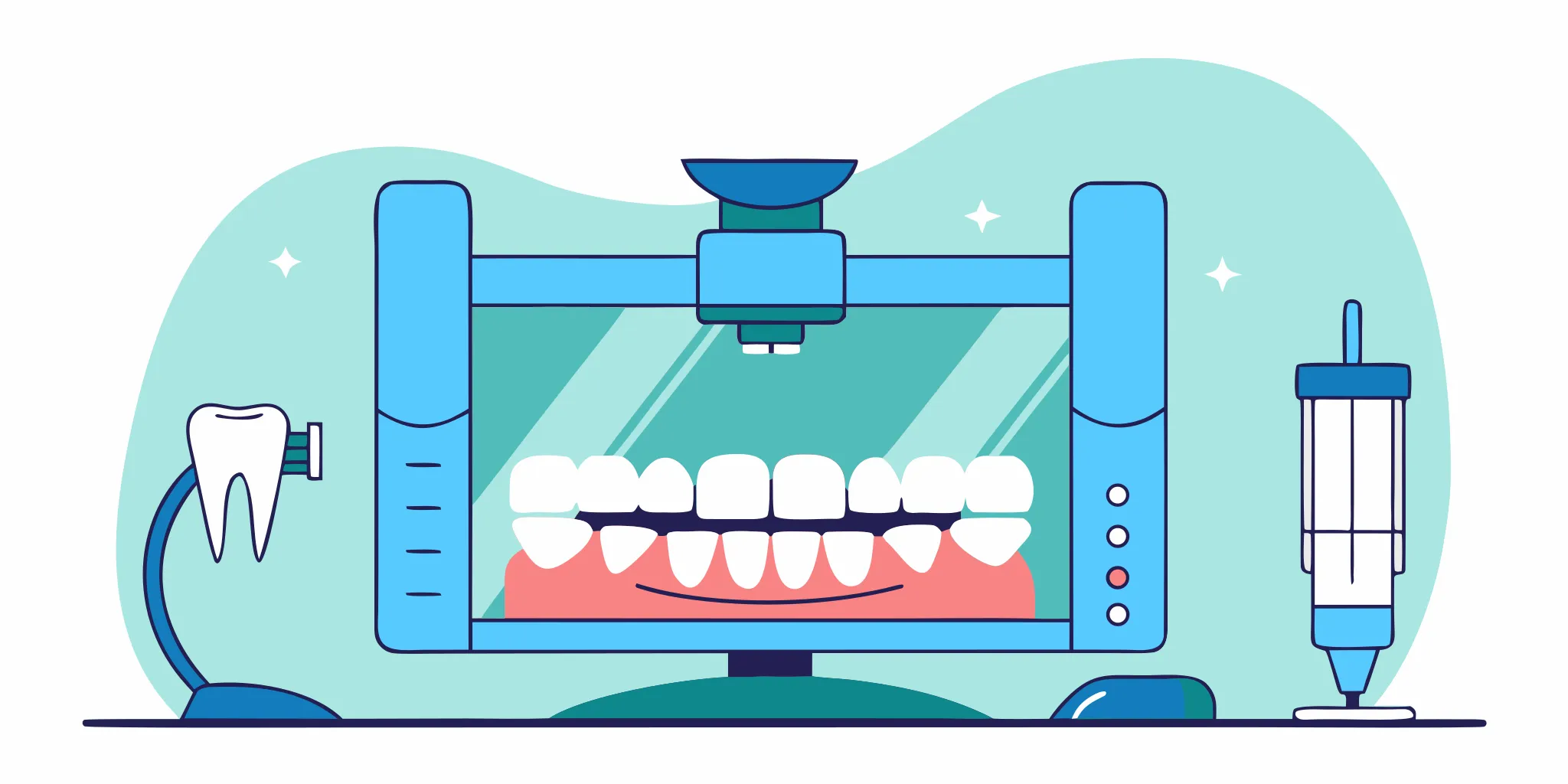
A mandibular advancement device (MAD) holds the airway open by gently repositioning the lower jaw forward during sleep. This forward shift tightens the soft tissues and muscles of the throat, pulls the tongue base away from the airway, and stabilizes the hyoid bone. The result is a wider, more stable breathing passage that resists collapse during inspiration. MADs are the most studied and widely prescribed type of oral appliance for obstructive sleep apnea.
A MAD works by keeping your airway open while you sleep. Most people with sleep apnea have a throat that closes up at night. This stops their breath and wakes them up. The MAD fixes this by moving the lower jaw forward. This simple shift creates more space in the back of the throat.
Improving airway patency
Airway patency means how open your breathing tube is. When you sleep, your muscles relax. For some, the tongue and soft tissue fall back. This blocks the air. Oral appliance therapy physically moves the jaw or tongue to stop this block. By pulling the lower jaw forward, the device tightens the walls of the throat. This prevents the airway from collapsing when you breathe in.
Stabilizing the tongue and hyoid bone
The tongue is a large muscle that often causes blocks. A MAD holds the tongue in a stable spot. This is because the tongue is attached to the lower jaw. When the jaw moves forward, the tongue must follow. This move also shifts the hyoid bone in the neck. These changes help keep the throat tube firm and open all night long.
Comparing MADs and CPAP
Both MADs and CPAP machines help you breathe, but they work in very different ways. CPAP uses air pressure to blow the airway open. A MAD uses a physical shift of the jaw. Many patients find the MAD easier to use because it has no wires or noise. You can see the main differences in the table below.
| Feature | Oral Appliance (MAD) | CPAP Machine |
|---|---|---|
| Mechanism | Physical jaw shift | Continuous air pressure |
| Portability | Fits in a small case | Needs a bag and power cord |
| Noise Level | Silent | Steady hum from the motor |
| User Ease | High due to comfort | Lower due to mask issues |
| Clinical Use | Snoring and sleep apnea | Standard for severe apnea |
Finding the right fit is key for success. At our center, oral appliance therapy for sleep apnea is a custom process. We make sure the device fits your teeth and jaw perfectly. This custom fit helps you stay comfortable and breathe well. Dr. Michael Simmons and our team focus on these details to help you get the best rest possible. For more on how oral appliances compare to other treatments, see our guide on sleep apnea treatment options.
Clinical Evidence: Effectiveness of Oral Appliances for Mild to Severe OSA
Oral appliances are effective for all severities of obstructive sleep apnea, from mild to severe. The 2015 joint clinical practice guideline from the American Academy of Sleep Medicine and the American Academy of Dental Sleep Medicine recommends custom oral appliances for adults with OSA who cannot tolerate CPAP or prefer alternative therapy. Meta-analyses show that oral appliances reduce the Apnea-Hypopnea Index (AHI) by 50 percent or more in most patients, and when measured by Mean Disease Alleviation, they achieve clinical effectiveness comparable to CPAP due to significantly higher nightly adherence rates.
Professional guidelines for sleep apnea treatment
In 2015, two top groups for sleep health released joint rules for patient care. These groups are the American Academy of Sleep Medicine and the American Academy of Dental Sleep Medicine. They looked at years of data to find the best ways to use oral appliances. For adults who want treatment of chronic snoring without sleep apnea, doctors should suggest these devices. Using a custom oral appliance is much better than using no treatment at all for these patients.
The joint standards also focus on patients with Obstructive Sleep Apnea (OSA). Doctors suggest oral appliances for patients who do not want CPAP or who cannot use it. The data shows that these devices are a key part of modern sleep care. They are not just for light snoring. They are a strong medical option for many levels of sleep apnea.
How oral appliances compare to CPAP therapy
Constant Positive Airway Pressure (CPAP) is the most common way to treat sleep apnea. It is good at lowering the Apnea-Hypopnea Index (AHI). This index tracks how often your breathing stops each hour. But CPAP only works if you wear it all night. Many people find the mask or the air pressure hard to handle. If a patient does not wear the mask, the machine cannot help them.
This is where “Mean Disease Alleviation” or MDA comes in. MDA looks at both how well a tool works and how much a person uses it. Oral appliances have high rates of use because they are small and easy to wear. People find them comfy and easy to take on trips. Since people wear them for more hours each night, the total health gain is often the same as CPAP. For many people, oral appliance therapy for sleep apnea gives the deep sleep they need. To understand how oral appliances fit into the full spectrum of care, read our sleep apnea treatment options guide.
Effective results for severe sleep apnea cases
Many patients think oral appliances only work for mild cases. Medical studies show this is not true. These devices can also help people with severe OSA. The rules suggest that doctors should look at oral appliances for severe cases when a person cannot use CPAP. It is much better to use a custom appliance than to have no treatment. Leaving severe apnea alone can lead to heart issues and high blood pressure.
A custom-fit device from a skilled doctor ensures the best fit and function. These devices move the jaw forward slightly to keep the airway open. This physical change reduces AHI and improves oxygen levels. When built and adjusted the right way, oral appliances are a life-changing tool. They offer a custom path to better health for patients at every stage of sleep apnea.
Custom vs. Over-the-Counter Dental Appliances: What the Research Shows
Custom-fit oral appliances are medically superior to over-the-counter boil-and-bite devices for treating sleep apnea. Research demonstrates that custom, titratable devices provide precise jaw positioning, reduce AHI scores more effectively, and protect the temporomandibular joint. Non-custom devices lack adjustability, often fit poorly, can worsen sleep apnea by narrowing the airway, and may cause irreversible tooth movement or jaw pain. The AASM and AADSM clinical guidelines specifically recommend custom titratable appliances over non-custom alternatives.
Many people see “boil-and-bite” mouthguards in stores or online. These are often sold as cheap ways to stop snoring. While they may seem like a good deal, they are not the same as a medical device. Research shows a big gap between these store-bought items and custom tools made by a sleep expert. Using the wrong device can do more harm than good for your health and your jaw.
The Risks of Over-the-Counter Mouthguards
Store-bought mouthguards are often bulky and hard to fit. You heat them in water and bite down to shape them to your teeth. This process often fails to create a stable fit. Because they do not fit well, they can cause your teeth to shift over time. They also lack the ability to be changed as your needs grow.
These non-custom tools often put too much pressure on the wrong spots. This can lead to severe jaw pain or joint issues. A common problem with these guards is that they are too thick. This takes up valuable space in your mouth. Instead of helping you breathe, they can sometimes make your airway more narrow. This can make your sleep apnea worse instead of better.
More importantly, store-bought tools may not keep your airway open. A device that does not work can give you a false sense of safety. This is risky if you have a serious sleep issue that needs real care. Without a doctor to check the fit, you might not know there is a problem until it is too late.
Why Custom-Molded Devices Are Medically Needed
A custom device is made just for you by a trained expert. It is based on a precise model of your mouth and teeth. This ensures a fit that stays in place all night and is easy to wear. Medical experts agree that these tools are far better for treating sleep issues.
Clinical guidelines highlight why these tools matter so much. When treating sleep apnea, a qualified dentist should use a custom, titratable device instead of a non-custom option. Being titratable means the tool can be adjusted in small steps. This lets the expert find the best position for your jaw to keep your airway open while you sleep.
A qualified dentist checks your teeth and gums before you start. They make sure your mouth is healthy enough for a device. They also track your progress with follow-up visits. This high level of care ensures the tool is working as it should. It also helps avoid common side effects like tooth pain or dry mouth.
Protecting the Temporomandibular Joint
The way your jaw moves is complex. A store-bought tool does not account for how your joints and muscles work together. If the jaw is pushed too far or held in a stiff spot, it can strain the joint. This often leads to clicking, popping, or pain in the face and neck.
A custom-fit tool is designed to protect your jaw joint while it helps you breathe. Expert care focuses on the connection between TMJ and sleep apnea to ensure you do not trade one pain for another. By using a device that fits your unique bite, you can treat your sleep apnea without hurting your jaw.
This careful balance is only possible with a device made and managed by an expert like Dr. Simmons. Custom oral appliances are official medical devices. They are made from high-quality parts that last for years. Store-bought guards often wear out in just a few months. Investing in a custom tool is a choice for long-term health and safety. To learn more about how Dr. Simmons evaluates patients for custom appliances, visit the meet our doctors page.
What to Expect During Fitting, Titration, and Follow-Up
The process of getting a custom oral appliance involves five steps: comprehensive examination and digital records, device fabrication at a dental lab, in-office fitting, a home titration period of several weeks where jaw position is progressively adjusted, and a follow-up sleep study to verify treatment effectiveness. Ongoing care includes periodic check-ups to monitor dental and joint health. The entire pathway is prescribed by a board-certified sleep physician and managed by a qualified dental sleep medicine specialist.
The path to better sleep starts with a medical check. While oral tools are a common choice for many, you must first have a sleep study. A board-certified sleep doctor reads the test to give a formal diagnosis and a prescription. This ensures that sleep apnea specialist in Los Angeles Dr. Michael Simmons can plan the best care for your needs.
The Custom Care Path
Custom care is vital for success. Unlike store-bought tools, professional devices fit your mouth perfectly. Research shows that a dentist should use a custom, titratable tool rather than a basic one to treat sleep apnea. This high level of care helps you stay comfortable while it keeps your airway open all night.
The Five Steps of Treatment
- Exam and Digital Records: Your first visit includes a full exam of your teeth, jaw, and airway. We use digital scans to map your mouth without any messy putty. These scans help us make a device that fits you well and feels good.
- Making Your Custom Device: We send your digital records to a dental lab. Experts build your tool using safe materials. The result is a slim, custom-fit device that lets you speak and drink water while you wear it during the night.
- Fitting the Device: Once your device is ready, you return for a fitting. We check for a good fit and comfort. According to the American Academy of Dental Sleep Medicine, a doctor must prescribe the care before we start this custom fit process.
- The Titration Period: You will wear the tool at home for a few weeks. During this time, we slowly move the position of your lower jaw. This “titration” goes on until your snoring stops and you feel more rested each day.
- Medical Verification: After the tool is set, you see your sleep doctor again. A follow-up sleep test shows that the care is working well. This is a key step for people who are unable to tolerate CPAP therapy and need a real fix.
Ongoing Check-Ups
Your care does not end with the final fit. We plan regular visits to check your jaw health and the tool. These visits help stop any tooth movement or jaw pain before they start. Long-term success relies on steady care and talk between you and our clinical team. For more on what your first visit looks like, see our what to expect guide.
Is Oral Appliance Therapy Covered by Medical Insurance?
Oral appliance therapy for sleep apnea is typically covered under medical insurance, not dental insurance, because obstructive sleep apnea is a medical diagnosis. Most major PPO plans, Medicare, and Tricare provide benefits for custom oral appliances when specific criteria are met. These criteria include a formal sleep study confirming OSA, a written prescription from a board-certified sleep physician, and documentation of CPAP intolerance or medical necessity. The Encino Center helps patients verify their benefits and obtain pre-authorization before treatment begins.
One common question for patients is how to pay for care. Many people think that because a dentist gives the device, their dental insurance will pay. But obstructive sleep apnea is a medical issue. Because of this, custom devices fall under medical insurance instead of dental plans. Most big medical carriers, like PPO plans, Medicare, and Tricare, give benefits for this oral appliance therapy for sleep apnea.
Medical Billing for Sleep Care
Dealing with medical billing can feel hard. At the Encino Center for Sleep and TMJ Disorders, we help you know your benefits. We work with your medical team to file claims for you. This help ensures that your care is billed the right way. Using medical insurance helps lower the costs you pay for these custom-fit tools.
Rules for Insurance Help
To get help with costs, insurance firms have rules to follow. First, a sleep doctor must find that you have sleep apnea. This comes from a formal sleep study. Once you have a clear finding, your doctor must write a prescription for the device. This step is key because a dentist can only make the custom tool after a doctor sends you there. Most plans also need proof that your case is mild or that you cannot use a CPAP machine.
The Role of Early Approval
Before you start, we often ask for early approval from your insurance firm. This step helps us find out just what your plan will pay for. It also helps you know your costs before any work starts. Our team is expert at giving the notes and facts that firms need. By working with medical teams, we help patients get the care they need with fewer waits. If you have questions about coverage for sleep apnea treatment payment options, our team is ready to assist.
Call (818) 300-0070 to discuss your insurance coverage for oral appliance therapy and take the first step toward better sleep.
Frequently Asked Questions
Below are answers to common questions about oral appliance therapy for sleep apnea, including device lifespan, side effects, candidacy, and differences from CPAP therapy.
How long does a custom sleep apnea oral appliance last?
A custom sleep device usually lasts three to five years with good care. How long it lasts depends on the parts and how well you keep it clean. Over time, a dentist may need to adjust your device to make sure it keeps your airway open and helps you sleep well.
What are the common side effects of wearing a sleep appliance?
Most patients do well with sleep devices, though small side effects can happen at the start. Common issues include short-term tooth soreness, dry mouth, or more spit in the morning. Some people feel slight jaw stiffness or a small change in their bite. These issues usually go away quickly each day.
Who is a good candidate for oral appliance therapy?
Good candidates include adults with a confirmed sleep apnea diagnosis who are CPAP-intolerant or prefer a less intrusive option. Patients must have healthy teeth and gums to support the device. People with simple snoring or mild to moderate sleep apnea are prime candidates. Dr. Simmons evaluates each patient thoroughly to determine suitability. Learn more about how sleep apnea connects to TMJ health as part of your evaluation.
Can I use an oral appliance if I have dental implants or bridges?
Many patients with dental restorations can still use oral appliances. Dr. Simmons evaluates the stability of implants and bridges during the initial exam. In most cases, a custom device can be designed to work safely with existing dental work.
Will my insurance cover the cost of oral appliance therapy?
Most medical insurance plans with sleep apnea benefits cover oral appliances. Coverage depends on your specific plan and requires a sleep study diagnosis and physician prescription. The Encino Center team helps verify benefits before treatment begins.
How is oral appliance therapy different from wearing a night guard for teeth grinding?
A night guard for bruxism simply prevents tooth damage from grinding. An oral appliance for sleep apnea is designed to reposition the jaw and maintain airway patency. For patients with both conditions, a combined appliance approach may be possible. Read about snoring and sleep apnea treatment approaches to understand the difference.
Ready to schedule a sleep apnea consultation?
Call (818) 300-0070 now to speak with our team about how oral appliance therapy for sleep apnea can help you breathe better and sleep deeper. Dr. Michael Simmons brings over four decades of focused clinical expertise to every patient evaluation at the Encino Center for Sleep and TMJ Disorders.