Loud snoring that wakes a partner or causes daytime fatigue is not merely a nighttime nuisance. It can signal a narrowed airway that deserves a closer clinical look. Effective snoring treatment options begin by finding out why airflow becomes restricted during sleep.
Call (818) 300-0070 to schedule a specialist consultation for persistent snoring.
Many snoring treatment options exist to help you get better rest and protect your health. For some, lifestyle changes like weight loss or side sleeping can help reduce noise. However, complex cases often need expert care to fix the root cause. About 52.8 percent of people report that they snore, making it a very common issue today. Choices include custom mouth pieces, CPAP, and steps that clear the path for your breath. Finding the right plan starts with a sleep check to see if your snoring is a sign of sleep apnea. At our center, we focus on proven plans that fit your specific needs and daily life.
Knowing why you snore is the first step toward finding a fix for your quiet nights. You must look at how your breath flows to see if there are risks to your health. To start your journey, you must ask: What does snoring tell you about your airway? The path begins with
What does snoring tell you about your airway?
Snoring usually means that airflow is meeting resistance in a narrowed upper airway, causing relaxed tissues to vibrate. The sound alone cannot show whether the problem is primary snoring or obstructive sleep apnea.
Snoring is a very common sound. In fact, research shows that about 52.8 percent of people report that they snore. While it is common, the sound is a sign that something is happening in your throat. It tells us that your airway is not fully open while you sleep.
When the airway narrows, the air you breathe must move faster. This fast-moving air causes the soft tissues in your throat to shake. This shaking is what we hear as a snore. It is a sign that your body is working harder to get air.
The way airway sound works
The sound of a snore starts when the muscles in your throat relax too much. When this happens, your tongue and other soft tissues can drop back. This moves them into the path of the air you breathe. As the path gets smaller, the air flow becomes rough.
This force makes the tissues flap against each other. It is like the way a flag flaps in a strong wind. Factors like a higher body mass index can make this narrowing even worse. The loud noise is not just a bother for a bed partner. It is a sign of a small blockage in your breathing.
Some people find that the impact of sleeping positions on snoring is quite large. Sleeping on your back often makes the throat tissues drop further. This creates a louder sound and more shaking. Knowing how this works helps you find snoring treatment options that fit your needs.
Why sound alone is not enough
Many people think a loud snore always means there is a big problem. Others think that a quiet snore is safe. But the sound level does not tell the whole story. A person can have a very loud snore but still get enough oxygen.
On the other hand, some people have quiet breathing but their airway shuts down fully. This is why it is hard to know if you have a disorder just by listening. Sound patterns can change from night to night. They can even change as you move during sleep.
Because of this, doctors cannot use sound alone to find a health issue. You need a full checkup to see if snoring as a symptom of OSA is a concern for you. An expert like Dr. Michael Simmons can help find the cause of the noise.
This often starts with a medical checkup to look at your airway health. While snoring is common, some signals point to a deeper issue. You should watch for gasping or choking sounds during the night. These sounds often mean that your breathing has stopped for a short time.
Warning signals for sleep apnea
Breathing stops can lead to health risks like heart disease or mood issues. If you feel very tired during the day, your body may be struggling to breathe. This lack of rest can affect your focus and how you feel. Other signs include waking up with a dry mouth or a sore throat.
Morning headaches are also a common red flag to watch for. If your partner says you stop breathing, you should treat it as a real issue. It is important to know when to seek help for snoring from a medical expert. Finding the right path early can help you avoid long-term health problems.
Many people find that custom tools or lifestyle changes provide great relief. These options aim to keep the airway open and quiet the sound. Taking action now can lead to better sleep and better health for years to come.
When is snoring a sign of sleep apnea?
Snoring may signal sleep apnea when it occurs with witnessed breathing pauses, gasping, choking, morning headaches, or excessive daytime sleepiness. Only a clinical evaluation and appropriate sleep testing can confirm the diagnosis.
Most people think of snoring as a harmless habit that only annoys a bed partner. While it is true that many adults snore from time to time, the sound of snoring can sometimes signal a major health concern.
To know if you need to take action, you first must learn to tell the two apart. You must tell simple snoring from a more complex sleep problem. Proper care starts with a clear view of how your body breathes during the night.
Primary snoring versus obstructive sleep apnea
Primary snoring is a common state where the soft tissues in your throat vibrate as you breathe. This happens when the airway is slightly narrow, but air still flows into your lungs. In this case, your sleep remains steady and your blood oxygen levels stay normal.
While the noise can be loud, it does not usually harm your long-term health or leave you feeling tired the next day. But even loud snoring can be a nuisance that impacts your life and bonds.
Obstructive sleep apnea (OSA) is a far more serious problem. With OSA, the airway does not just narrow but fully or partly closes many times each night. These pauses in breath force your brain to wake you up so you can breathe again.
This cycle prevents you from getting deep, restful sleep and puts stress on your heart. As noted by the Cleveland Clinic, snoring is a major sign of OSA that needs a check from an expert. The goal is to find the best snoring treatment options for your own case.
Red flags to watch for
There are several signs that your snoring might be a sign of a deeper issue. If your partner tells you that you stop breathing, gasp, or choke in your sleep, you should take great care.
These events mean your body is fighting for air. Other common red flags include waking up with a very dry mouth or a morning headache. You might also find yourself feeling very sleepy during the day, even if you thought you slept for a full eight hours.
Other signs include trouble staying focused at work or feeling grumpy for no clear reason. Some people also notice that they wake up many times at night to use the bathroom. If you have high blood pressure or a large neck size, your risk for OSA may be higher.
Since snoring as a symptom of OSA can lead to heart problems, finding these signs early is key to your health. Taking a fast step to find answers can improve your sleep and heart health.
The importance of a clinical exam
Checking yourself for sleep issues can be hard and often leads to the wrong choice of care. Only a full clinical exam can tell if your snoring is primary or a sign of OSA.
At our center, Dr. Michael Simmons uses his deep skill in sleep medicine to check every patient. He performs a 60 to 90-minute check to look at your airway and jaw health. This time allows him to create a plan that addresses your own needs and signs.
An expert check is the best way to avoid the risks of sleep apnea that is not treated. Without the right care, OSA can lead to heart disease, stroke, and type 2 diabetes.
By choosing a guided path, you can find the best way to breathe easier and sleep better. Knowing when to seek help for snoring is the first step toward a healthier life. Our team works with you to give the expert care needed to protect your long-term health.
How specialists diagnose the cause of snoring
Snoring can be a sign of a blocked airway. At the Encino Center for Sleep and TMJ Disorders, we find the real cause. Dr. Michael Simmons uses a full 60 to 90 minute check of your health. This helps us see if you have snoring as a symptom of OSA. It is the first step toward finding the right snoring treatment options.
A deep look into your health helps us plan better care. We do not just look at the snoring. We look at how you breathe and how well you rest. This way, we can offer the best help for your needs. We want to make sure you get a good night of sleep.
Health history review
We start by talking about your sleep habits. We will ask if you feel tired during the day or if you wake up gasping for air. It is also helpful to know if you have high blood pressure or other health issues. This part of the check helps us know when to seek help for snoring and how it affects your life.
Your health history tells a story. It shows us what might be causing the block in your airway. We also want to know if anyone else in your family has sleep issues. This helps us build a full picture of your health.
Airway and oral check
Next, we look at your mouth, neck, and nose. A narrow airway or a large tongue can cause snoring. We also check your jaw and teeth for signs of grinding. A narrow airway can make it hard to breathe well at night. As the Mayo Clinic says, imaging tests like an X-ray or CT scan can show the shape of your airway. This helps us plan the best care for you.
We also check for signs of jaw issues. The way your jaw sits can affect your breathing. We look for wear on your teeth and check how your jaw moves. Our goal is to find the exact reason you snore so you can feel better.
Clinical sleep testing
A sleep study is often the best way to see what happens when you rest. It tracks your heart, lungs, and brain. This test can be done at home or in a lab. The steps below show how we move from your first visit to a final plan.
- Complete a health history. We review your sleep habits and any health records you share. This helps us find risks for sleep apnea or other issues.
- Undergo an oral exam. We check your tongue, throat, and jaw for blocks. We look for anything that might slow down the flow of air.
- Use imaging if needed. X-rays or scans can show the shape of your throat and nose. This gives us a clear view of any narrow spots.
- Take a sleep study. A home test or lab study tracks your breathing and heart rate. This shows how your body acts while you are asleep.
- Review the results. We work with sleep doctors to set a clear plan for your care. This ensures you get the right help for your exact needs.
After the tests, we sit down with you to talk about the results. We want you to know why you are snoring. We work with other doctors to make sure your plan is safe and works well. This team work is key to getting the best results for our patients.
Once we have a clear cause, we can look at your snoring treatment options. This might include a custom mouth guard or other fixes. Every person is unique, so every plan is unique. Our team stays with you through every step of the process to make sure you rest well.
Lifestyle changes that may reduce snoring
Making small shifts in your daily habits can often lead to quieter nights. While some snoring needs medical care, behavioral changes are often the first step in a full snoring treatment options plan. These shifts focus on how you sleep and what you do before bed to keep your airway open and clear.
Adjusting your sleep position
The way you lie down can have a big effect on your breathing. Gravity can cause the tongue and soft tissues in your throat to drop back. This blocks the air and leads to the sound of snoring. You can learn more about the impact of sleeping positions on snoring to find the best way to rest.
Try sleeping on your side instead of your back. This simple move can keep the airway clear and stop the tongue from falling back. You might also try to raise the head of your bed by a few inches. This small lift helps to keep the passages in your throat open while you sleep, according to the Mayo Clinic.
Managing habits and diet
What you eat or drink before bed also plays a role. Alcohol can make the muscles in your throat relax too much. When these muscles go slack, they are more likely to vibrate and cause noise. It is best to avoid alcohol for at least a few hours before you go to sleep. This helps to keep your muscles firm and your breathing quiet.
Weight also plays a part in how well you breathe at night. If you are overweight, you may have more tissue in your neck that can press on your throat. Lowering your weight can reduce this tissue and help you breathe with less effort. This is often a key part of any plan to reduce snoring and improve your health.
Clearing nasal paths
It is hard to breathe quietly if your nose is blocked. Congestion from a cold or allergies can force you to breathe through your mouth. This change often makes snoring worse. Using nasal strips or dilators can help to open the nose and lower the pull on your airway. These tools work well for people with a narrow nose or mild allergies.
If you have long-term allergies, you may need a plan to treat them. Keeping the nasal paths clear allows for a steady flow of air. While these steps help many people, they do not work for everyone. If you find that these changes do not help, you should learn when to seek help for snoring from a doctor.
Snoring treatment options compared
When you seek relief from snoring, you will find several clinical and lifestyle paths. About 52.8 percent of people report that they snore, making it a very common concern. Finding the right snoring treatment options starts with a full clinical exam. This helps rule out serious health risks like sleep apnea. Your care plan will depend on why you snore and how your airway looks during sleep.
Behavioral care and lifestyle changes
Many patients start with simple habits to help open the airway. Weight loss can reduce snoring by cutting down on throat tissue that vibrates at night. You may also find relief by changing your sleep position. Sleeping on your side helps keep the tongue from falling back into the throat. It is also wise to avoid alcohol before bed, as it relaxes throat muscles too much and makes snoring louder.
Custom oral appliance therapy
For many, a custom oral appliance is a top choice for snoring care. Dr. Michael Simmons is a specialist in this field who helps patients get a perfect fit. These devices gently move the lower jaw forward to keep the airway open. They are small, quiet, and easy to use. Most people find them more comfortable than other tools. You will need regular dental visits to check the fit and keep your mouth healthy.
CPAP and medical equipment
If your snoring is a sign of obstructive sleep apnea (OSA), you may need medical tools. Continuous Positive Airway Pressure (CPAP) is the gold standard for OSA care. It uses pressurized air to keep your airway open while you sleep. While very effective, some people find the mask or noise hard to live with. In those cases, oral appliance therapy serves as a medically credible option for patients who cannot use CPAP.
Nasal and surgical approaches
Sometimes, the block is in the nose rather than the throat. Nasal strips can help increase the area of the nasal passage to reduce airflow resistance. If allergies are the cause, treating them can also help you breathe better. In some cases, a doctor may suggest upper airway surgery to fix anatomical issues like a deviated septum. This path is usually for specific cases where other cares did not work.
| Treatment Type | How It Works | Best For | Main Benefit |
|---|---|---|---|
| Lifestyle | Changes sleep habits | Mild snoring | Low cost and easy |
| Oral Appliance | Repositions the jaw | Snoring and mild OSA | Comfort and travel |
| CPAP | Uses air pressure | Moderate to severe OSA | Gold standard care |
| Nasal Strips | Widens nostrils | Nasal congestion | Non-invasive |
| Surgery | Fixes anatomy | Anatomical blocks | Long-term change |
How custom oral appliance therapy works
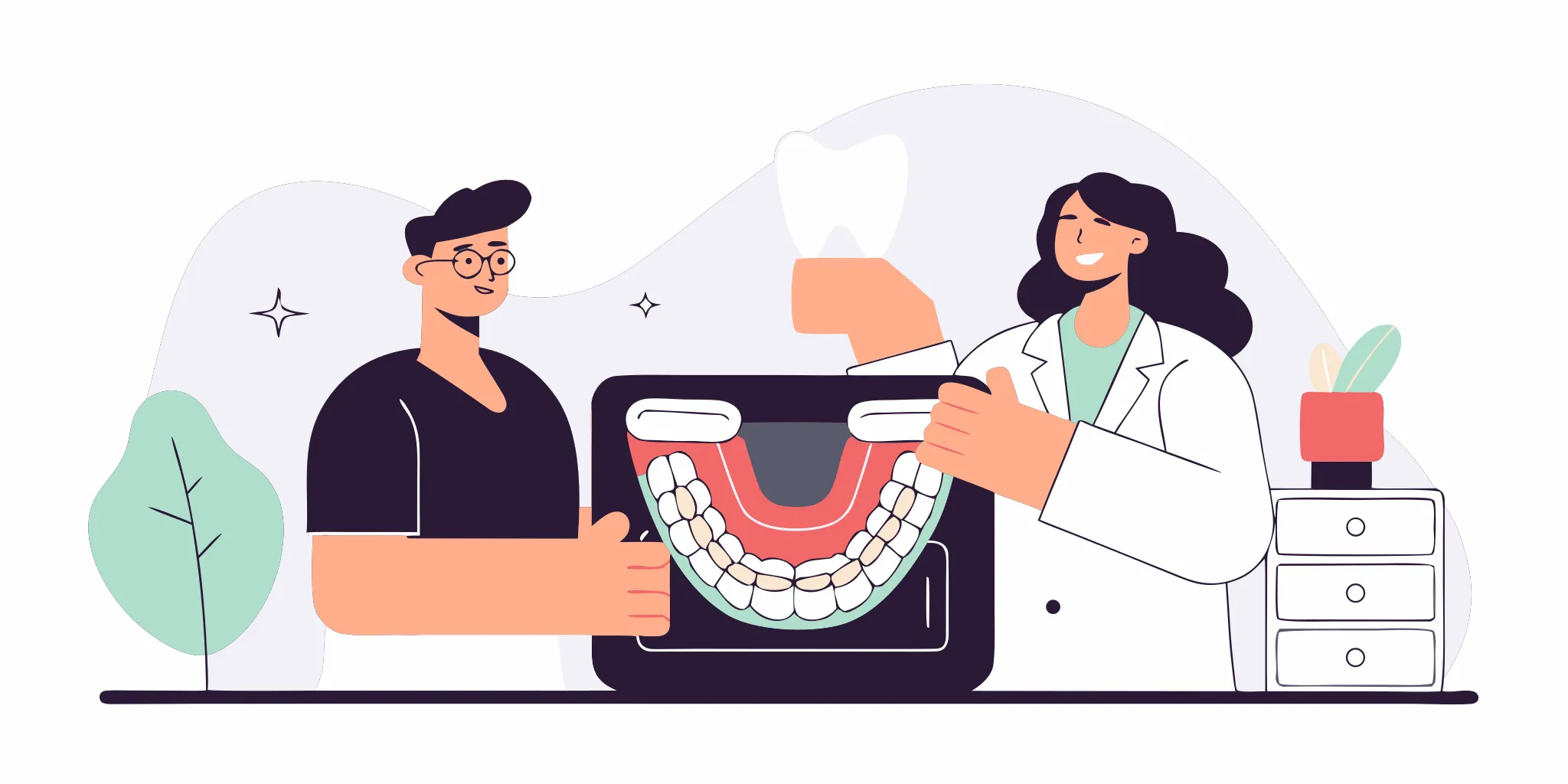
Oral appliance treatment provides a quiet and easy way to handle sleep breathing issues. This method is one of the top customized sleep apnea treatment options for those who cannot use a CPAP machine. These small tools fit in your mouth like a sports guard. They work by keeping your airway open while you sleep. This stops the soft tissues in your throat from moving and making noise.
How mandibular advancement helps breathing
Most snoring happens when the tongue and throat muscles relax too much. When this occurs, these tissues fall back and narrow the space where air flows. A custom tool uses a method called mandibular advancement. This means the device gently moves your lower jaw forward.
This small shift creates more room in the back of the throat. It also tightens the muscles and keeps the tongue from blocking the path of air. By holding the jaw in a stable spot, the tool prevents the airway from closing.
This is helpful for people with mild to severe obstructive sleep apnea (OSA). It is also a primary way to treat chronic snoring. Often, doctors see snoring as a symptom of OSA, so a full check is needed. When the airway stays wide, air can move in and out without force.
This reduces the friction that causes the sound of snoring. It also helps you get more oxygen during the night. These devices are a key part of modern snoring treatment options.
The fitting and follow up process
Getting a custom tool starts with a full clinical exam. At the Encino Center for Sleep and TMJ Disorders, we perform a 60-90 minute first exam. This long visit allows us to check your jaw joint and tooth health. We look for any signs of jaw pain or teeth grinding.
It is vital to ensure your mouth can support the tool without causing new pain. We use clear data and tools to find the best fit for your needs. Once we have your dental records, a lab builds the tool to your exact shape.
You will then return for a fitting. We make sure the tool is snug but not too tight. You will also need regular checkups to track your progress.
Regular dental visits are needed at least once every six months during the first year. These visits help us adjust the tool and check your oral health over time.
Custom devices versus store bought options
Many people try “boil and bite” mouthpieces from a store first. These items are often bulky and hard to use. They do not account for the unique shape of your teeth or the health of your jaw.
A poor fit can lead to tooth movement or jaw pain. It may also fail to open the airway enough to stop snoring. In some cases, a store-bought tool can make your sleep apnea worse by causing the jaw to sit in a bad spot.
A custom-fit tool offers better results and more comfort. Dr. Michael Simmons uses his skills to design tools that protect your jaw joint while improving your sleep. These devices use thin, strong parts that last for years.
They allow you to open and close your mouth or speak while wearing them. Because they fit your teeth well, they are much more likely to stay in place all night. This leads to better rest and fewer health risks for you and your partner.
How do you choose the right snoring treatment?
The right treatment depends on the cause of airway narrowing, whether sleep apnea is present, your anatomy, and your ability to use the therapy consistently. A specialist-led diagnosis should come before selecting a device or procedure.
Finding the best path to quiet sleep starts with a deep look at your health. You need to know why you snore before you pick a fix. A simple snore might come from how you sleep. But it can also be a sign of a real health issue. You should look at all customized sleep apnea treatment options to see what fits your life. Picking the right care takes time and a good plan.
Start with a clinical check
The first step is a full check of your mouth, jaw, and throat. At our center, we spend 60 to 90 minutes on this first visit. We look for things like a blocked nose or large tonsils. A doctor may also ask for a sleep study. This test is called a polysomnogram. It tracks your heart rate and breath as you sleep. It helps find out if your snoring is tied to sleep apnea.
The results of these tests give us a clear map of your sleep health. We do not just guess what will work for you. Instead, we use data to find the root cause of the noise. This might include looking at your jaw joint or your tongue spot. A good check helps us pick a tool that will work. It also keeps you safe from health risks you might not see.
Match care to your body
Your body shape plays a big role in your care. For some, losing weight helps reduce the tissue in the throat that shakes and makes noise. Others may need a custom tool to keep the airway open. Oral tools are a top choice for people who do not like CPAP masks. These tools are made to fit your teeth and move your jaw forward. This keeps your breath moving well all night. Getting the right help for snoring is key to getting the right fit.
We also look at how you breathe through your nose. If your nose is blocked, some tools might not work as well. We might suggest simple lifestyle changes to help your breath flow. These small steps can include:
- Sleeping on your side rather than your back.
- Avoiding alcohol for a few hours before bed.
- Losing weight to reduce tissue in your throat.
- Using nasal strips to open your nose.
These tips help keep your tongue from falling back into your throat. Small changes like this can make a big difference in how you feel each day. We work to find the mix of fixes that best suits your frame.
Work with a medical team
Good care is not a one-time fix. It takes a team of experts working as one. Dr. Simmons works with sleep doctors and surgeons to build your plan. This team approach ensures your care covers all bases. You will also need regular visits to check the fit of your tool. These visits happen every six months at first. Then, you may only need to come in once a year.
Steady checks help you stay on track and sleep better for years. We make sure your jaw and teeth stay healthy as you use your device. About 52 percent of people report that they snore, but each one needs a unique plan. Research from the NIH shows that snoring is tied to sleep patterns and heart health. By working with an expert, you can find a path that brings you real rest and better health.
Talk with Encino Center for Sleep and TMJ Disorders about a diagnosis-led plan. Call (818) 300-0070.
Frequently Asked Questions
What is the most successful treatment for snoring?
There is no single “best” fix for every person. Your results rest on why you snore. Many people find help with custom mouth tools. These small devices keep your airway open by moving your jaw forward. Other people may need lifestyle changes or medical machines. According to the Encino Center for Sleep and TMJ Disorders, mouth tools are a great custom choice for those who cannot use CPAP.
Can snoring be 100% cured?
You can often manage or even stop snoring, but a “cure” may not last forever. For many, snoring is a long-term issue that needs daily care. You can reduce it by using mouth tools, losing weight, or changing how you sleep. However, your health and body can change as you age. It is best to work with a pro to find a plan that fits you. Ongoing care helps keep your sleep quiet and healthy.
How do I know if my snoring is a sign of sleep apnea?
Loud snoring is a major clue for sleep apnea, but it is not the only one. You should look for other signs like gasping for air at night or feeling very tired during the day. Snoring that stops and starts is also a big red flag. According to the Cleveland Clinic, snoring is normal for many people, but it can also be a sign of a deeper health problem.
Why do I suddenly start snoring so loud?
A sudden change in snoring can happen for a few reasons. Gaining weight is a common cause because it can narrow your airway. Drinking alcohol or taking certain pills before bed can also relax your throat muscles too much. Even a cold or allergies can cause this shift. If your snoring gets loud fast, it is a good idea to see a doctor. They can check if something new is blocking your breath while you sleep.
Ready to treat your snoring and improve your sleep health today?
Ignoring loud snoring can lead to heart strain and a lack of daily focus that can impact your work and your home life for years. You can stop these health risks today by choosing to seek an expert check of your sleep habits and airway health before bigger problems start. Taking this step now means you can enjoy a better mood and more energy in the weeks ahead instead of feeling tired and drained. Our team can help you find the right path and show you when to seek help for snoring to protect your long-term health.
Ready to call? Call (818) 300-0070 to schedule a consultation with our expert team to find your best treatment path and start sleeping better.