Many veterans struggle with a cycle of poor sleep that standard therapy cannot always break. This deep exhaustion often stems from a link between trauma and nightly breathing disorders. Understanding this connection is the first step toward better rest.
If you are a veteran or trauma survivor struggling with sleep problems that will not go away, call (818) 300-0070 to schedule a consultation at the Encino Center for Sleep and TMJ Disorders. Our team understands the unique challenges you face and can help you find real relief.
Sleep apnea and PTSD frequently co-occur in a two-way link where each disorder can worsen the other. Veterans with traumatic stress face a significantly higher risk for developing breathing disorders. Effective treatment requires a focused plan that addresses both conditions together for lasting relief.
At the Encino Center for Sleep and TMJ Disorders, Dr. Michael Simmons helps patients navigate these dual health challenges through focused care. For a full overview of diagnosis and treatment approaches, visit our comprehensive guide on Sleep Apnea: Diagnosis, Treatment Options, and What to Expect as a Patient. The path begins with understanding why these conditions often appear together.
Sleep Apnea And Ptsd: Why PTSD and sleep apnea so frequently co-occur
Many find it strange that a mental health issue like Post-Traumatic Stress Disorder (PTSD) links to a physical breathing problem. Yet, research shows a strong sleep apnea and ptsd connection. These two issues often show up together, especially in veterans and survivors of trauma. When they do, they create a loop where one makes the other worse. Finding and treating both is vital to help the body heal.
A two way connection between mind and body
The link between these two disorders is what doctors call “bi-directional.” This means that having PTSD makes it more likely you will get sleep apnea. At the same time, having sleep apnea can lead to a higher risk of PTSD. Research published by the National Institutes of Health shows that these issues can predict each other over time. One often leads to the other in a short period.
Sleep apnea is one of the common comorbidities of sleep apnea and other trauma-linked health problems. When breathing stops during sleep, the brain enters a state of fear. For someone with PTSD, this fear can trigger a “fight or flight” response. This response keeps the body on high alert. It makes it very hard to get the deep sleep needed for good health.
As outlined in our guide on Sleep Apnea: Diagnosis, Treatment Options, and What to Expect as a Patient, identifying both sleep apnea and PTSD early is critical for effective treatment. This cycle can be hard to break without expert help. The lack of sleep makes it harder to cope with stress during the day. This stress then leads to worse sleep at night. Over time, this can wear down the heart and the brain. It is more than just feeling tired. It is a serious health risk that needs a clear plan.
Shared risk factors and combat exposure
Why do these issues happen together so often? One big reason is shared risk factors. For many veterans, combat roles are a primary factor. Studies show that obstructive sleep apnea is closely linked with PTSD in military groups. Serving in high-stress roles can change how the body handles stress and rest.
These changes can lead to physical shifts in the throat or how the brain controls breath. Things like weight gain, which is common after service-linked injuries, also play a role. Also, the connection between sleep apnea and anxiety makes it hard for the body to relax. High stress keeps the muscles tense. This tension may affect the muscles in the airway too. When the airway narrows, breathing stops.
The impact of trauma severity on sleep risk
The risk of sleep apnea seems to go up as PTSD symptoms get more severe. A study from the American Academy of Sleep Medicine looked at young Iraq and Afghanistan veterans. They found that 69.2 percent of these veterans were at high risk for sleep apnea. This is a very high number for a group that is mostly young and fit.
The study also found that as PTSD symptoms get worse, the risk for sleep apnea rises too. Every big jump in symptom level led to a 40 percent increase in the risk for sleep apnea. This shows that treating the mind and the body at the same time is needed. If you only treat one, the other will likely keep causing trouble. Working with a specialist who understands both is key to better rest.
How Does Trauma Disrupt Breathing Patterns During Sleep?
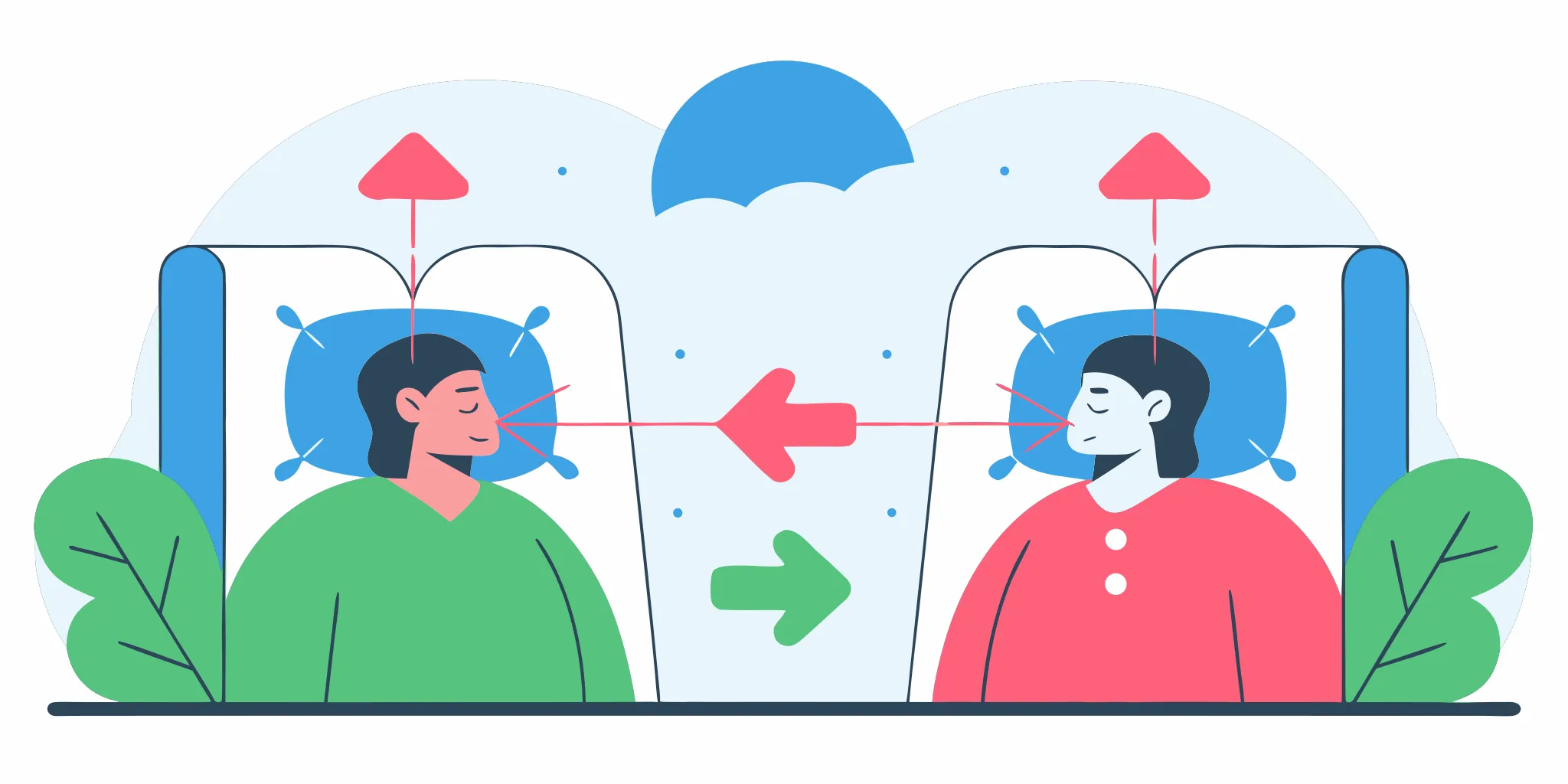
Trauma does not just stay in the mind. It lives in the body and changes how you breathe when you rest. People with PTSD often have a hard time getting deep sleep. This is because trauma shifts the body into a state of high alert. This state is known as hyperarousal. When your body is on high alert, it never truly relaxes. Research shows that PTSD symptoms can worsen sleep-disordered breathing by changing how your brain and body work together at night. This link creates a cycle where fear and poor sleep feed each other. Every time you stop breathing, your brain feels a threat. This keeps the cycle going all night long.
The link between fear and airway stability
The nervous system has two main parts. One part helps you rest, while the other part prepares you for a fight. This second part is the sympathetic nervous system. In trauma survivors, this fight or flight system stays active too often. This high activity can affect your sleep quality in a deep way. It also makes the muscles in your throat more tense. When these muscles do not act the right way, your airway can become less stable. This makes it easier for the airway to close while you sleep. The high muscle tone from stress stops the airway from staying clear.
The brain is always on the lookout for threats when you have PTSD. Instead of deep rest, you stay in a light sleep where you are easily woken up. Studies show that sleep apnea and PTSD are often found together in military groups. High stress levels from the past make the body more prone to breathing blocks at night. Your autonomic nervous system stays stuck in a high gear that makes rest nearly impossible.
How sleep fragmentation triggers the stress system
When you stop breathing during sleep, your brain sends a panic signal to wake you up. This is called sleep fragmentation. Each time you wake up, your body starts its stress response. This involves the HPA axis, which is the system that controls how you handle stress. Constant wakes tell the brain that you are in danger. This causes your body to pump out stress chemicals like cortisol and adrenaline. These chemicals keep your heart rate high even while you are trying to rest. It is a loop that is hard to break without the right care.
Sleep apnea can intensify PTSD nightmares and make you feel more on edge during the day. When you do not get enough air, your brain feels like it is choking. This feeling can trigger a trauma response. For many, this leads to a fear of sleep itself. This fear keeps the stress system active and makes the airway even less stable. Breaking this loop is key to feeling better. Fixing the breath helps the brain feel safe again.
Respiratory risks during REM sleep
REM sleep is the stage where we dream the most. It is also the time when our muscles are most relaxed. For trauma survivors, this stage can be a time of risk. During REM sleep, breathing patterns can become less steady. This is called respiratory instability. In trauma patients, the body may struggle to keep the airway open during this phase. This instability can lead to more frequent drops in oxygen. These drops cause the heart to work harder and can lead to scary nightmares. This makes the night a place of stress rather than peace.
Treating these airway issues is a big step toward calming the nervous system. When you breathe better, your brain stops getting panic signals all night. This allows your stress system to finally rest and reset. Many patients find that sleep apnea treatment helps their mental health and reduces their PTSD symptoms. By fixing the breath, you give the mind the space it needs to heal. This is why the focus on custom care by Dr. Michael Simmons is so vital for survivors in the San Fernando Valley.
Challenges of using CPAP with PTSD and how oral appliances may help
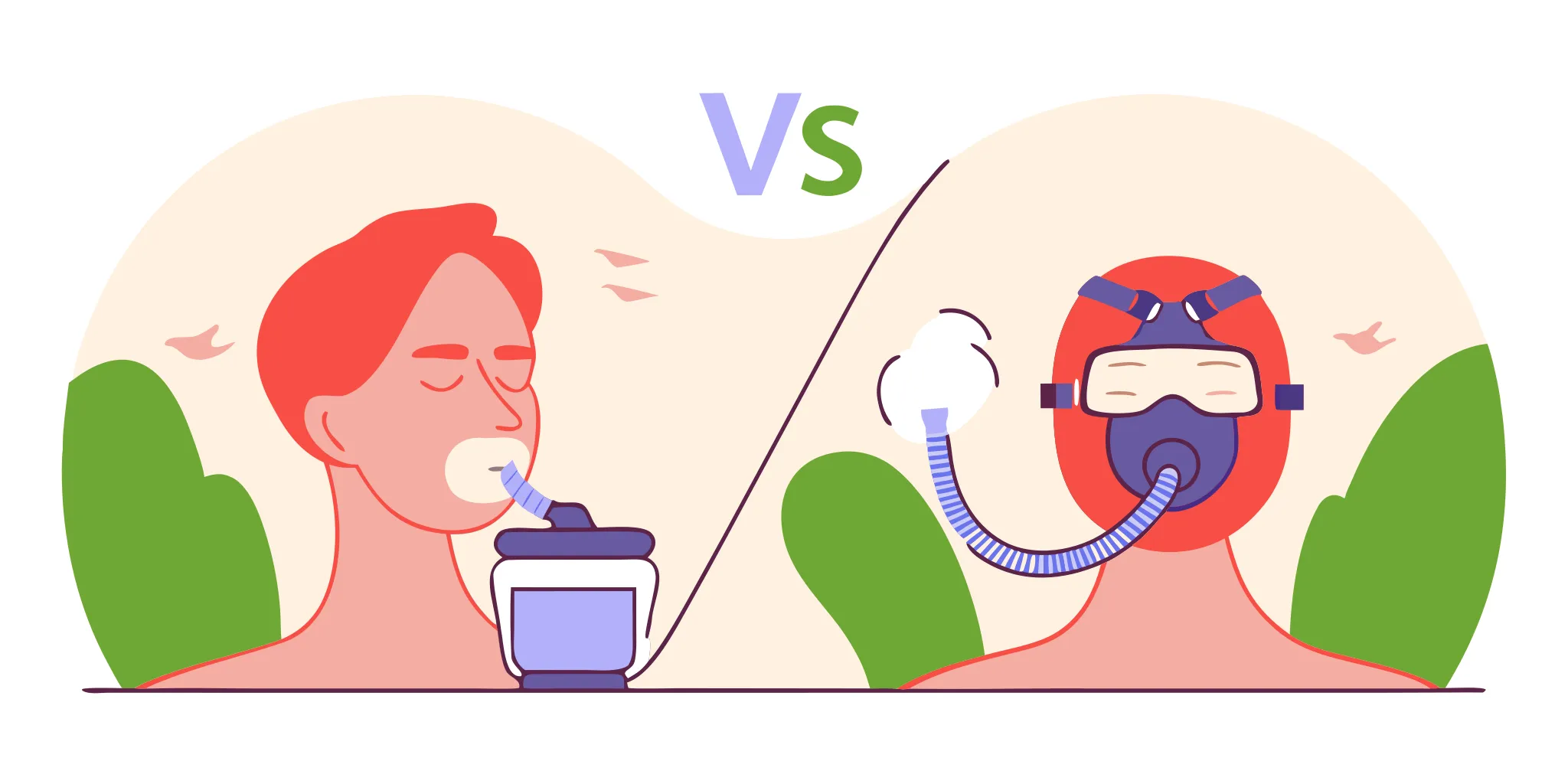
Many patients find that CPAP is the gold standard for severe cases. But for those with post-traumatic stress disorder, using a mask can be hard. The feeling of a mask on the face may trigger a sense of being trapped. This can lead to sleep apnea and ptsd symptoms getting worse at night. If you struggle with your mask, you are not alone.
Recognize mask triggers
People with trauma may feel fear when they wear a mask. The air pressure or the headgear can cause feelings of claustrophobia. This often leads to CPAP intolerance, where a person stops using the device. When you do not treat your sleep apnea, it can make mental health struggles more severe. Finding a way to breathe well is a key part of your care.
Discuss options with a specialist
It is helpful to talk to a professional about other paths. There are many medical ways to manage sleep apnea without a mask. A custom plan is vital for those who cannot use standard tools. Dr. Simmons focuses on helping people who need a different approach. You can find a way to rest that does not cause stress or fear.
Switch to an oral appliance
An oral appliance is a small device that fits in your mouth like a guard. It is a first-line choice for snoring and most levels of sleep apnea. This tool works by keeping your airway open while you sleep. Many people find it much easier to use than a large machine. Since it does not cover your face, it rarely triggers trauma-related fear.
- Initial screening. Your care starts with a full check of your mouth and jaw. We look at your sleep history and any trauma triggers you may have.
- Custom fit. We take a digital mold of your teeth to make a device just for you. A good fit ensures the tool is comfortable and works well.
- Nightly use. You wear the guard every night to keep your jaw in the right place. This prevents your airway from closing while you rest.
- Follow-up visits. We see you again to make sure the device is working. We can change the fit to help you get the best sleep possible.
CPAP vs oral appliance therapy: a quick comparison
| Feature | CPAP Therapy | Oral Appliance Therapy |
|---|---|---|
| How it works | Machine pushes air through a mask to keep airway open | Custom device repositions jaw to maintain airway patency |
| Face coverage | Mask covers nose or mouth and nose | Small device fits inside the mouth only |
| PTSD trigger risk | Mask can trigger claustrophobia or trapped feeling | No face coverage; rarely triggers trauma-related fear |
| Portability | Requires machine, tubing, power source | Fits in a small case; no power needed |
| Effectiveness for OSA | Gold standard for severe cases | Clinically equal to CPAP in mean disease alleviation |
Improve your long-term rest
The goal of care is to help you feel safe and rested. Research shows that treating sleep apnea can help reduce PTSD symptoms. When you sleep better, your mind and body can heal. Our team stays with you to make sure your device keeps working for years to come. You deserve a quiet night without the stress of a mask.
Can Treating Sleep Apnea Improve PTSD Outcomes?
Managing sleep apnea and PTSD at the same time is a key part of recovery for many people. Clinical data now show that when you fix breathing issues during sleep, mental health often gets better too. This link exists because both conditions affect the same parts of the brain that control fear and rest. By treating the physical side of sleep, you can help the mind heal more quickly.
Clinical evidence from NIH studies
Research published by the National Institutes of Health shows how much treatment helps. In a major study, patients with both conditions used continuous positive airway pressure (CPAP) therapy. The results were clear: treating sleep apnea lowered the severity of PTSD scores. This is vital because it proves that better sleep can stop trauma symptoms from getting worse over time.
The study also found that treatment can help prevent minor trauma issues from turning into a full disorder. By keeping the airway open, the body stays out of a “fight or flight” mode all night. This allows the brain to process memories without the stress of choking or gasping for air. For many patients, this is the first step toward real peace and lasting health.
How better sleep changes brain chemistry
The link between these two issues is bidirectional, meaning each one makes the other worse. When you have sleep apnea, your brain wakes up many times a night to restart your breathing. This constant waking keeps your nervous system on high alert. This state of hyperarousal is a core part of how sleep apnea affects your mental health by draining your emotional energy and focus.
Treating sleep-disordered breathing helps lower the level of stress chemicals in your blood. When you get deep, steady sleep, your brain can better regulate emotions like fear and anger. This change in brain chemistry makes it easier to handle daily stress. It also helps you stay calm when you face triggers that might usually cause a panic attack or flashback. Steady breathing leads to a steadier mind.
Reducing nightmares and improving therapy
One of the biggest wins in treating sleep apnea is the drop in PTSD-related nightmares. Frequent waking during the night often triggers bad dreams or night terrors. Clinical data show that treating sleep apnea improves sleep quality and cuts down on these terrifying events. Fewer nightmares mean you wake up feeling more rested and less anxious about going to bed at night.
Better sleep also makes counseling and talk therapy more effective for the patient. It is hard to focus on complex emotional work when you are exhausted from poor sleep. Patients who fix their breathing issues often find they have more “headspace” for therapy sessions. They can learn and use new coping skills because their brain is not constantly fighting for oxygen throughout the night. Rest gives the brain the power it needs to change.
Restoring daytime function and well-being
When patients start a custom treatment plan, they often notice a big shift in how they feel during the day. Restoring your breath at night gives you back your focus and mood control. Many people report that they feel more like themselves again after just a few weeks of steady treatment. This boost in function helps with work, family life, and building strong social bonds with others.
For those who cannot use a mask, custom oral appliances can offer a great way to stay on track. These small devices keep the jaw in the right place to keep the airway open. They are easy to use and do not cause the trapped feeling that some trauma survivors face with other gear. Finding a path that works for your life is the best way to ensure long-term success in both physical and mental health. Taking this step can lead to a much better quality of life.
Working with a multidisciplinary team for co-occurring conditions
Managing sleep apnea and PTSD at the same time is a challenge. These two health problems often feed into each other. This can make your symptoms much worse. For many people, a simple fix is not enough to find real relief. Proper care for trauma survivors needs a broad view of health. It needs a team of doctors who talk to each other and share goals. Our practice puts this team approach at the center of all we do. We aim to give you the most full care possible in the San Fernando Valley.
Unique skills for complex cases
Dr. Michael Simmons has a unique set of skills for this work. He is the first practicing dentist worldwide to earn a Fellowship in the American Academy of Sleep Medicine (FAASM). He also holds a Master of Science in Sleep Medicine. With over 40 years of work, he knows how to bridge the gap between medical and dental care. Dr. Simmons is also a Diplomate of the American Board of Orofacial Pain and the American Board of Dental Sleep Medicine. This high level of training means he can find issues that others might miss. He uses his skills to guide your care and help you sleep better.
A team approach for better care
We believe that no single doctor has all the answers for complex sleep cases. Our office uses a team method to manage your health. This group effort makes sure that every part of your breathing and sleep is checked. Studies show that obstructive sleep apnea is linked to PTSD in many military groups. When these problems exist together, the treatment must be joined up. We guide your care with sleep doctors and other experts to build a full picture of your health. This teamwork is key to finding results that last.
Our team works closely with other medical professionals, including:
- Sleep doctors who study your brain waves and breathing patterns.
- ENT experts who check for blocks in your nose and throat.
- Oral surgeons who help with the structure of your jaw.
Custom plans for trauma survivors
A custom plan is vital for those with PTSD. Many patients find that CPAP masks cause a lot of stress. They may feel trapped or unable to breathe while wearing them. We focus on providing other choices for those who cannot use CPAP. Our center offers custom sleep apnea treatment using oral devices. These small tools fit just like a mouth guard. They help keep the airway open without the need for a bulky mask or tubes. We take the time to listen to your fears and change your care as needed. This style of care helps you feel safe and in control of your health.
Frequently Asked Questions
Are sleep apnea and PTSD connected?
Research shows a strong two-way link between these two health problems. Having one issue can raise the risk of getting the other. Veterans and trauma survivors often have both at the same time, which makes it harder to heal. A study in PubMed shows that treating sleep apnea can help lower the stress of mental health symptoms. This link means that doctors should check for both problems to help patients get the best care.
Does sleep apnea make PTSD worse?
Yes, breathing problems while you sleep can lead to more bad dreams and feeling very tired. When a person stops breathing, the body wakes up in a state of high alarm. This can keep the brain in a state of stress. Studies show that treating sleep apnea can help a person sleep better and have fewer bad dreams. Fixing these sleep breaks helps the brain heal from trauma more easily while you rest.
Why do patients with PTSD struggle with CPAP?
Many people with trauma histories find that a CPAP mask makes them feel trapped. This feeling can make it very hard to use the mask all night. The mask and the forced air might remind the brain of past scary events. This can cause a lot of fear for some users. Since good sleep is vital for mental health, finding a treatment that feels safe is a key part of getting well for these patients.
Can sleep apnea be a secondary service connection to PTSD?
Veterans often file for sleep apnea as a second health issue linked to their PTSD. This process needs a medical letter to show how the mental health problem made the sleep issue worse. Since the VA knows there is a link, having good medical facts is very important. Patients should work with a specialist who can provide a full test and plan to help their health and their claims.
What are alternatives to CPAP for sleep apnea patients with PTSD?
For people who cannot use a CPAP mask, custom oral tools are a great and trusted choice. These small tools fit like a night guard. They work by gently holding the jaw forward to keep the path for air open. According to the Encino Sleep and TMJ Center, these tools are a top choice for snoring and sleep apnea. They are often much easier to use for people who feel scared by a breathing mask.
Ready to schedule a sleep apnea consultation?
Sleep apnea that is not managed often makes PTSD issues like bad dreams and worry much harder to handle for veterans and trauma survivors. If you do not act now, these health problems can become worse, but starting care today can help you get the rest you need. You can learn more about our work on the new patient page before your visit.
Ready to schedule a consultation? Call (818) 300-0070 to talk to a sleep expert today. Our team is here to help you find a plan that fits your life and needs. We support your body health and your care every day.