Loud snoring that stops and starts with a choking sound is not just a nuisance. This pattern often signals a dangerous pause in your breathing while you are asleep.
Call (818) 300-0070 to schedule a sleep consultation today with Dr. Michael Simmons.
Spotting the main signs of sleep apnea is the first step toward saving your health. Obstructive sleep apnea affects more than 30 million people, yet most do not know they have the issue (Tufts Medicine). Common warning signs include loud snoring, gasping for air, and breathing pauses. You may also feel heavy daytime tiredness, morning headaches, or brain fog. These events lower your oxygen levels and put stress on your heart. If you notice these red flags, a clinical test is needed to find the cause. A proper diagnosis and understanding of sleep apnea diagnosis and treatment options can help you avoid long term risks like heart disease.
Knowing how these signs show up during the day and night is vital for your health. Many people overlook these clues until their health begins to fail or a bed partner speaks up. We will look at the most common sleep apnea warning signs to help you find out if you are at risk. The path toward better sleep starts with recognizing these critical warning signs and taking the first step toward a professional diagnosis.
Signs Of Sleep Apnea: The most common sleep apnea warning signs
Obstructive Sleep Apnea (OSA) happens when your airway closes during sleep. This blocks your breathing and keeps your body from getting enough oxygen. Many people do not know they have this issue because it only happens while they are asleep. Learning the key signs of sleep apnea is the first step toward better health, as detailed in our comprehensive guide to sleep apnea diagnosis and treatment options.
Nighttime symptoms and habits
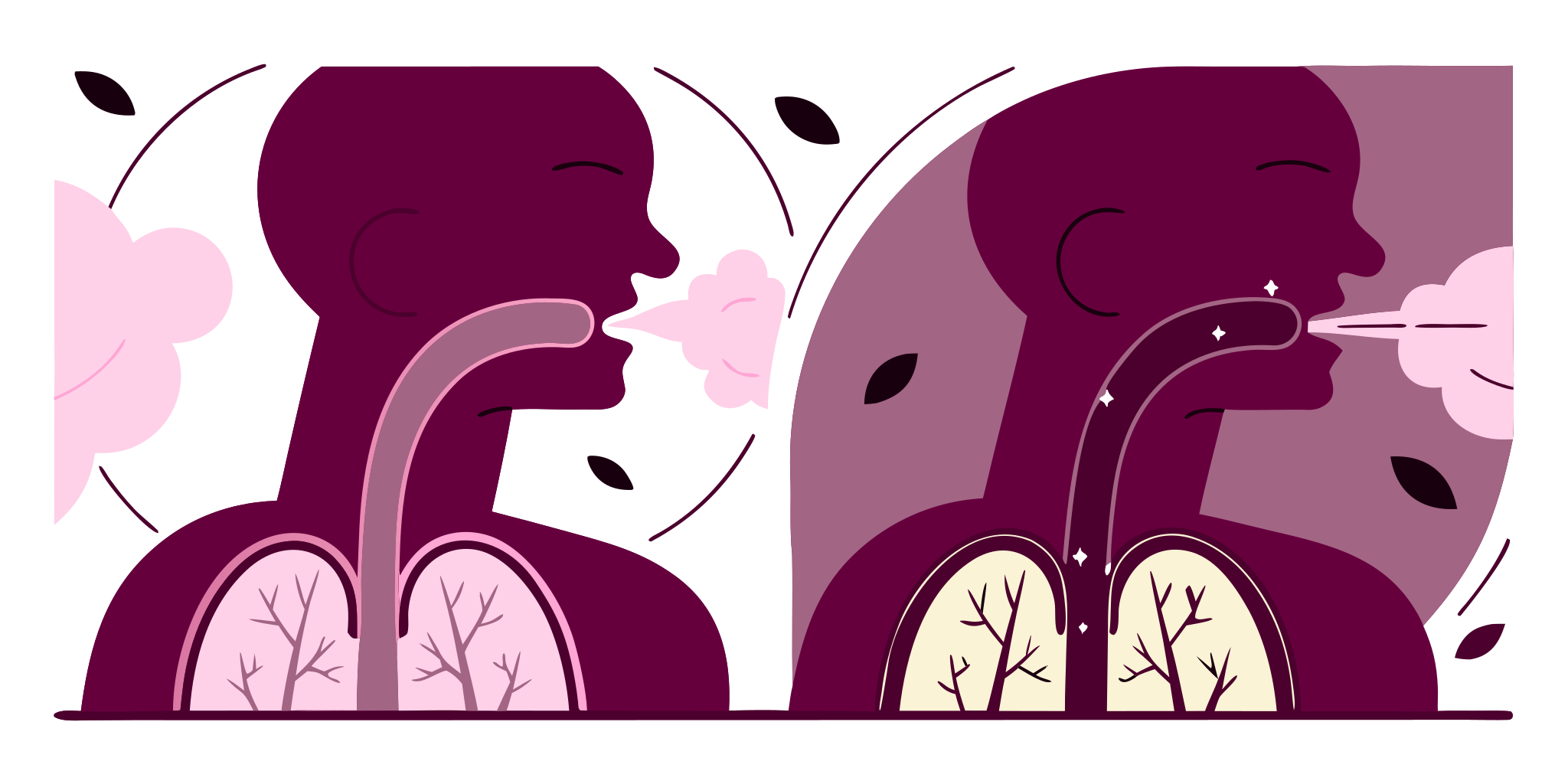
The most common sign of sleep apnea is loud and frequent snoring. While many people snore, snoring in OSA patients is often broken by quiet gaps. These quiet moments are actually pauses in breathing that can last for some time. When breathing starts again, it often comes with a loud gasp or a choking sound.
You may also notice other signs during the night. Some people wake up often to use the bathroom. Others may have restless sleep and move a lot in bed. Sweating during the night or sudden wake-ups with a fast heart rate are also common. For women, trouble sleeping is often a major sign. They may find it hard to stay asleep even if they do not snore loudly.
Most people do not know these things are happening. They often need a bed partner to tell them about their snoring or breathing gaps. If someone tells you that you stop breathing at night, you should take it as a real risk. Even if you do not think you are tired, these events can stress your body and heart.
Daytime impacts on health and mood
The way you feel during the day can also show sleep issues. Since OSA breaks your sleep cycle, you never reach the deep sleep your brain needs. This leads to being very tired during the day. You might feel a strong need to nap. You may also find it hard to stay awake while you read, work, or watch TV.
Morning headaches are another red flag. These often happen because of low oxygen or high blood pressure during the night. You might also wake up with a very dry mouth or a sore throat. Some people also notice changes in their mood. They may feel grumpy, anxious, or sad. This lack of rest can even make it hard to focus or remember simple facts. Over time, this “brain fog” can make daily life feel much harder.
Risks of ignoring the warning signs
Leaving sleep apnea alone can be risky for your long-term health. It puts a lot of stress on your heart and lungs. It can also raise your risk for a stroke or high blood pressure. Being very tired can also make daily tasks like driving unsafe. According to the National Institutes of Health, this issue has big effects on heart health and how you feel.
If you spot these signs in yourself, it is time to seek expert care. At our center, we give effective sleep apnea treatments like oral tools. Dr. Michael Simmons and our team can help you find a custom path to better sleep. We work with you to make sure your care is both easy and helpful. Taking action now can help you avoid more serious health problems later.
Symptoms your bed partner notices first
Many people with sleep apnea do not know they have it. They sleep through the most telling signs of the problem. It is often a spouse or bed partner who first spots the trouble. They might lie awake while you snore or struggle for air. This can cause a lot of stress for your loved ones. Knowing these pauses in breathing can help you get the care you need. When you stop breathing, your body lacks oxygen, which affects your health and your mood.
Common signs of sleep apnea at night
Loud snoring is one of the most well known signs of sleep apnea. Knowing the treatment options for snoring can lead to a better life for you and your partner. A partner may notice that the snoring stops all of a sudden. This is often followed by a silence that feels too long for comfort. Then, the sleeper might make a gasping or choking sound to get air back in. These events happen because the airway closes during sleep. You may not know you have these signs until someone tells you about them (NHLBI).
Partners also see the restless nature of a poor night’s sleep. They might see you kick your legs or flail your arms as you try to wake up. These small wakes happen so fast that you do not recall them in the morning. To the person next to you, it looks like a fight for rest. These signs show that your sleep is not deep or helpful. Over time, these nightly struggles lead to deep fatigue during the day.
Why bed partners are the first to know
Bed partners act as a nightly watch for your health. They see the physical struggle for breath that you do not feel while you sleep. You may wake up for a split second to breathe, but you will not remember it. Your partner sees you toss and turn all night long. They may worry about your heart or your long-term safety. This worry is a heavy burden for a loved one to carry. It can lead to a lack of sleep for them as well.
This shared stress is often what leads people to see a doctor. The fear a partner feels when they see you stop breathing is a real red flag. They see the pattern of the breath and know when it is not right. They may notice you seem tired even after a full night of sleep. When a spouse says you are gasping in your sleep, it is time to act. Their eyes and ears are the best tools for catching these signs early.
Moving from worry to a plan
If your partner sees these signs, do not ignore their concern. It is important to talk to a sleep expert like Dr. Michael Simmons. He has the skills and the gear to find a fix that works for you. A simple sleep study can show what is happening to your breath at night. This test can be done in your own bed in many cases. It gives the data needed to start a real plan for better sleep. Getting a clear answer can take the stress off both you and your spouse.
Treating sleep apnea can help both you and your partner sleep better. You will feel more alert, and your partner will feel at peace. No more lying awake to make sure you are still breathing. Modern care, such as custom oral devices, can quiet the snoring and keep the airway open. This helps you get the deep rest your body needs to stay healthy. A good night of sleep is within reach once you act on the signs your partner has seen.
Daytime symptoms: fatigue, brain fog, and morning headaches
Chronic daytime sleepiness and fatigue
Many people think that being tired during the day just comes with a busy life. But constant fatigue is one of the most common signs of sleep apnea. This happens because the airway closes many times each hour. Your brain has to wake up slightly to start your breathing again. These tiny wakes prevent you from getting deep, restful sleep. As a result, you might feel worn out even after a full night in bed.
You may find yourself wanting a nap late in the day. Some people even fall asleep during quiet times, like when they are reading or watching a movie. This level of tiredness is not normal. It shows that your body is struggling to get the rest it needs. If you wake up feeling as though you never slept at all, you should talk to a doctor about a sleep checkup.
Morning headaches and brain fog
Waking up with a dull ache in your head can be a warning sign. These morning headaches often happen because of oxygen drops during the night. When your breathing stops, your blood oxygen levels fall. This can cause the blood vessels in your head to swell. The result is a painful headache that often fades after you have been up and breathing in a normal way for an hour.
You may also notice a heavy feeling of brain fog. This makes it hard to focus on work or remember simple tasks. Many patients find that these issues with focusing and acting can last all day long. You might feel like you are moving through a haze. This mental fog can make it hard to do your best at your job or keep up with your family.
Mood changes and safety risks
Poor sleep does more than just make you tired. It can also make you feel cranky or moody. You might find that you lose your patience more quickly than usual. Small problems that you used to deal with well might now feel very stressful. This change in mood can affect your bonds with the people you love. Over time, the stress of being tired can lead to deeper health issues.
The lack of rest also makes your response times slower. This can be very unsafe if you are driving or working with tools. Lack of sleep can cause you to fall asleep at the wheel. This puts you and others at risk for major car crashes. Taking these signs to heart is vital for your safety and your long-term health. If you notice these red flags, speaking with a sleep expert is a smart next step.
When symptoms indicate mild vs. severe sleep apnea
Doctors use the Apnea-Hypopnea Index (AHI) to find the level of sleep apnea a person has. This score shows how many times per hour a person stops breathing or has shallow breaths. A professional sleep study is needed to get this score and find the best care plan. At the Encino Center for Sleep and TMJ Disorders, we help patients understand what these numbers mean for their health.
How the AHI scale works
The AHI scale groups sleep apnea into three levels based on the number of events per hour. Mild sleep apnea has an AHI of 5 to 15, while moderate cases fall between 15 and 30. If a person has more than 30 events in one hour, it is called severe sleep apnea. These apneic events can last ten seconds or longer and lower the amount of oxygen in the blood.
While a person with mild apnea may only have 50 events in a full night, a person with a severe case might stop breathing over 240 times. This high number of events puts a heavy strain on the heart and brain. It often leads to a higher risk of health issues like high blood pressure or stroke. Knowing where you fall on this scale helps you find effective sleep apnea treatments that fit your needs.
Comparing mild and severe symptoms
Symptoms of sleep apnea can vary based on the level of the disorder. Mild cases may involve loud snoring or light daytime fatigue. In severe cases, people often experience signs of sleep apnea like gasping for air or waking up many times to urinate. Below is a look at how these levels differ in their impact on your life.
| Criteria | Mild Sleep Apnea | Severe Sleep Apnea |
|---|---|---|
| AHI Score. | 5 to 15 events per hour. | More than 30 events per hour. |
| Main Symptoms. | Light snoring, mild fatigue. | Loud gasping, extreme sleepiness. |
| Health Risks. | Lower risk of heart issues. | High risk of stroke or heart attack. |
| Oxygen Drop. | Slight drops in oxygen. | Big drops that strain organs. |
| Daytime Impact. | Tiredness after long days. | Falling asleep while driving. |
Clinical risks of high AHI scores
Severe sleep apnea is a big medical concern that needs quick care. The constant loss of oxygen can cause significant cardiovascular health issues over time. It can also lead to brain fog and mood changes like being moody. Even if symptoms feel minor, a high AHI score shows that your body is not getting the rest it needs to stay healthy.
At our office, Dr. Michael Simmons works with patients to find a path forward. He can help you look at results from a sleep test and choose between tools like CPAP or custom oral appliances. Addressing severe apnea early can help lower your risks and help you feel more alert during the day. If you notice these signs, reach out to a specialist to start your path to better sleep.
Do you suspect your snoring or fatigue might be a sign of obstructive sleep apnea? Schedule a consultation in Encino or call (818) 300-0070 to get a personalized assessment.
Who should you see when you suspect sleep apnea?
When you notice signs of sleep apnea like loud snoring or gasping, you may feel unsure where to start. Finding care involves a clear path from screening to a formal diagnosis. Most people begin by talking to their primary doctor about their symptoms. This step helps rule out other health issues. It also starts the process for a professional initial consultation to review your sleep health.
Getting a diagnosis
Confirming sleep apnea needs a specialized sleep study to track your breathing and oxygen levels overnight. This test is the only way to measure how often your breathing stops and starts while you sleep. A sleep doctor will review the results of your home sleep test or in-lab study to find the severity. Once you have a diagnosis, you can find the best treatment for your needs.
- Track your symptoms. Keep a log of your snoring, gasping, or morning headaches. Ask your bed partner if they notice any pauses in your breathing. You may be unaware of these nighttime signs yourself.
- See your doctor. Share your log and discuss your fatigue or focus issues. They can give you a referral to a sleep specialist for more testing based on your risk.
- Complete a sleep study. You will use a home test kit or visit a sleep lab for a full study. These tests measure your apnea-hypopnea index, which shows the number of pauses per hour.
- Review your results. A sleep physician will look at your data to confirm if you have obstructive sleep apnea. They will also score your apnea as mild, moderate, or severe.
- Consult a dental sleep specialist. If you need an alternative to CPAP, Dr. Michael Simmons can help. He gives custom-fit oral appliance therapy to keep your airway open.
CPAP and oral appliances
CPAP is the gold standard for many, but it is not the only choice. Some people find the mask and hose hard to use every night. For those who cannot tolerate CPAP, a custom oral appliance is a highly credible option. These tools are small, easy to wear, and quiet. Working with a specialist ensures your tool fits your mouth for the best results.
Custom oral appliances work by gently moving the jaw forward. This shift stops the tissues in the throat from closing. Airway collapse is a main cause of airway blockage during sleep. A dental sleep specialist will check your progress to make sure the treatment stops your snoring and helps you breathe well.
Frequently Asked Questions
Does snoring always mean I have sleep apnea?
Snoring is a common sign of sleep apnea, but it does not always mean you have the issue. Many people snore due to allergies or mouth shape without stopping their breathing. However, if your snoring is very loud or comes with gasps, you should see a doctor. A clinical review at the Encino Center for Sleep and TMJ Disorders is the only way to know if your snoring is a real health risk.
What happens if sleep apnea goes untreated?
Leaving sleep apnea alone can lead to major health risks over time. When your breathing stops, your heart and lungs must work harder to get oxygen. This stress can raise your risk for high blood pressure, heart disease, and stroke. You may also feel very tired, which makes it hard to focus at work or home. Research from the National Institutes of Health shows this issue can also harm your mental health and how you feel.
What are the signs of sleep apnea in children?
Sleep apnea signs in kids are often different from those in adults. While adults feel sleepy, children may become very active or have trouble paying attention in school. Other signs include bedwetting, snoring, and worsening asthma. If your child gasps for air during sleep or seems grumpy during the day, they may need a sleep study. The National Heart, Lung, and Blood Institute says these signs need quick care to help the child grow and learn well.
Can sleep apnea cause car accidents?
Yes, sleep apnea is a major cause of dangerous accidents on the road. Since the issue breaks your sleep many times each night, you may feel very sleepy during the day. This can lead to small gaps where you drift off for a few seconds while driving. The American Thoracic Society notes that people with sleep apnea have a much higher risk of car crashes. Treating your sleep issues can help you stay alert and keep yourself and others safe.
Ready to take control of your sleep and health?
Missing the signs of sleep apnea can lead to major long-term health risks like high blood pressure and heart strain. When you start your care now, you can stop these risks from growing and begin to feel more alert each day. Every night you wait is another night your body does not get the deep rest it needs to stay strong. Taking this first step today means you can get back to your life with more focus and less worry. Our team in Encino uses advanced tools to find the root cause of your sleep issues. You can learn about proven sleep apnea treatments and how they can help you wake up feeling fresh. Do not wait for your symptoms to get worse when you can get expert help right away. We are here to guide you toward better sleep and a healthy life.
Ready to find relief? Call (818) 300-0070 to schedule a consultation.