Snoring is common, but its meaning depends on what happens during sleep. Occasional noise can occur when relaxed throat tissues vibrate as air moves through the upper airway. The concern rises when snoring is loud or frequent, disrupts sleep, or occurs alongside signs that breathing is repeatedly restricted.
Not always. Occasional snoring is common, but is snoring dangerous when it is loud, persistent, and paired with breathing pauses, gasping, or choking, which may signal obstructive sleep apnea.
Schedule a consultation to learn whether your snoring needs evaluation
Because people often do not hear their own breathing pauses, a bed partner’s observations can be clinically useful. Morning headaches, unrestful sleep, excessive daytime sleepiness, or difficulty concentrating also deserve attention. The next step is to distinguish ordinary vibration from a pattern that warrants evaluation. For a shared frame of reference, the practice’s guide to snoring, sleep health, and what your body signals while you sleep explains how everyday symptoms connect to conditions that deserve attention.
When Does Snoring Stop Being Just Noise?
Snoring is the hoarse or harsh sound produced when air moves past relaxed tissues in the throat, causing them to vibrate during breathing. Nearly everyone snores at some point, including babies and young children. An occasional episode after a cold, nasal congestion, alcohol use, or an unusually tiring day is often not a sign of a serious disorder. The more important question is whether the sound is persistent, disruptive, or accompanied by changes in breathing.
There is a spectrum. Intermittent, relatively quiet snoring may be benign, particularly when the person wakes refreshed and has no other symptoms. Loud, habitual snoring deserves more attention, even though loud snoring alone does not prove that obstructive sleep apnea is present. National Jewish Health reports that approximately 50 percent of loud snorers have obstructive sleep apnea. In this condition, the upper airway repeatedly narrows or becomes blocked during sleep. That statistic is a reason to evaluate concerning patterns, not a reason to assume that every loud snorer has apnea.
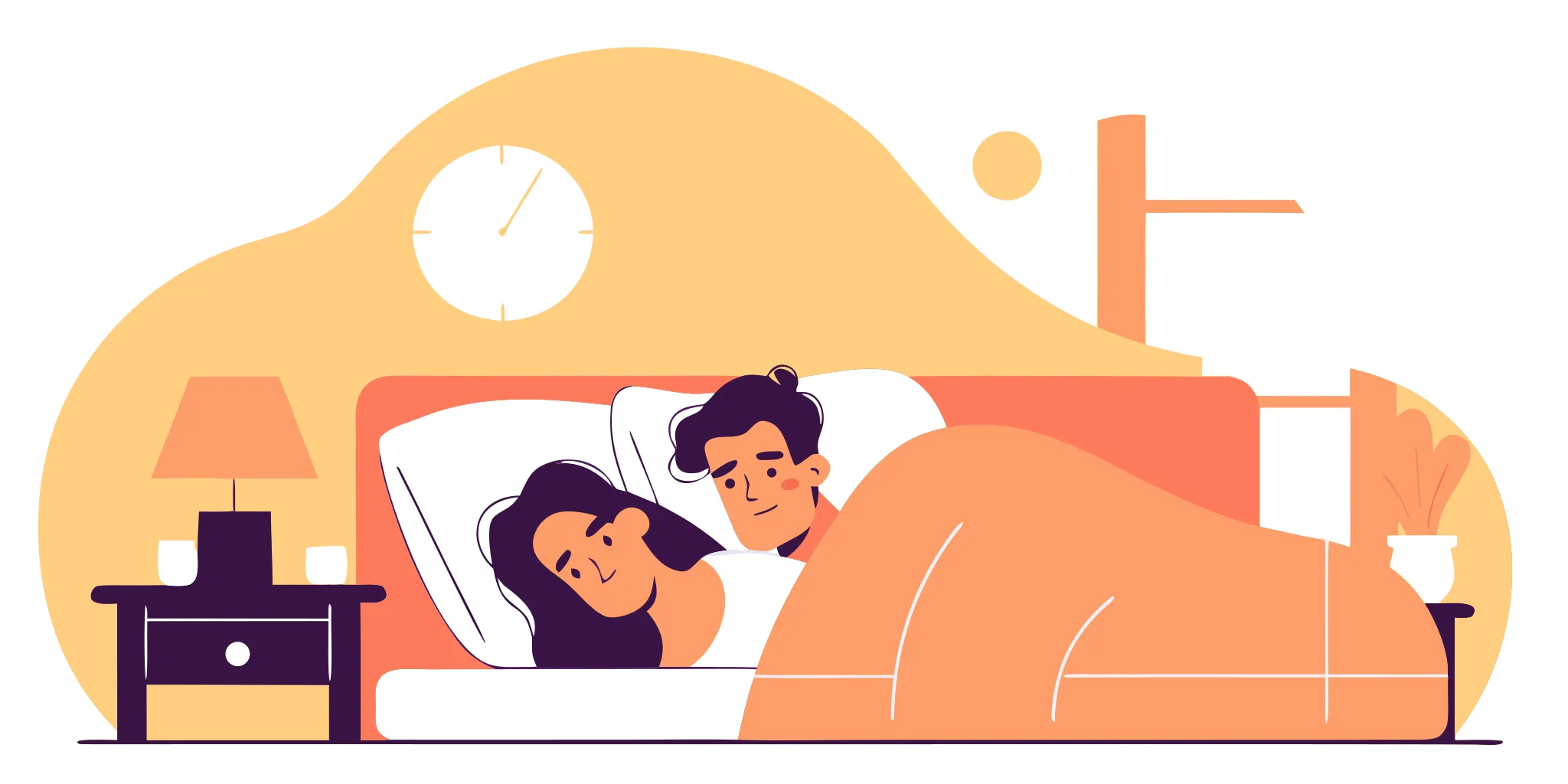
With obstructive sleep apnea, loud snoring may be followed by periods of silence when breathing stops or nearly stops, then a gasp, choke, or sudden resumption of breathing. A bed partner may notice this pattern before the snorer does. Daytime sleepiness, morning headaches, restless sleep, or difficulty concentrating can add to the concern. If these features are present, asking whether is snoring dangerous is less useful than arranging an appropriate clinical evaluation.
Why the pattern matters
Snoring can arise from several anatomical and physiological factors. Learning about the clinical causes of snoring can help put the sound in context, but an online description cannot determine whether breathing is being interrupted. A sleep evaluation may be appropriate when snoring is loud and frequent. This is especially true when someone witnesses pauses or the person does not feel rested after adequate time in bed.
There can also be meaningful effects even when apnea has not been diagnosed. Repeated noise may disturb a partner’s sleep and create strain in the bedroom. Understanding how snoring affects your partner is part of taking the concern seriously, without assigning blame. Persistent snoring is a clinical signal worth discussing, not a character flaw and not something that should automatically be dismissed as ordinary nighttime noise.
Warning Signs That Snoring Points to Obstructive Sleep Apnea
Loud snoring can indicate a potentially serious problem such as obstructive sleep apnea (OSA), although not everyone with sleep apnea snores. OSA often produces a recognizable pattern: loud snoring followed by silence when breathing stops or nearly stops, then a gasp, choke, or sudden change in breathing. Because these events occur during sleep, the person experiencing them may not know they are happening.
A partner, family member, or roommate may notice the breathing pattern first. Other symptoms can appear during the night or the following day. The presence of one symptom does not establish a diagnosis. However, snoring combined with several of these warning signs warrants clinical evaluation:
- Witnessed breathing pauses: Someone notices that you stop breathing or become unusually quiet during sleep.
- Gasping or choking at night: You wake abruptly or appear to struggle for air during sleep.
- Morning headaches: You regularly wake with a headache, especially when it occurs along with unrefreshing sleep.
- Excessive daytime sleepiness: You feel unusually tired during the day, despite allowing enough time for sleep.
- Difficulty concentrating: Fatigue or disrupted sleep makes it harder to focus, remember information, or stay alert.
- Restless sleep: Frequent movement, awakenings, or unsettled sleep may accompany nighttime breathing disruption.
- High blood pressure: Elevated blood pressure alongside loud or persistent snoring is another reason to discuss possible OSA with a clinician.
- Chest pain at night: Chest pain during sleep or at night should be taken seriously and discussed promptly with a medical professional.
These signs are not limited to one body type or age group, and their absence does not reliably rule out sleep apnea. The safest approach is to consider the full pattern, including how often snoring occurs, whether breathing pauses have been observed, and how you feel during the day. A qualified clinician can determine whether further testing is appropriate rather than relying on the sound of snoring alone.
For the symptom list and guidance on when snoring may warrant evaluation, see the Mayo Clinic’s overview of snoring symptoms and causes.
The Health Risks of Untreated, Apnea-Related Snoring
Snoring itself is not a diagnosis, and some occasional snoring is not medically dangerous. The concern is snoring caused by repeated narrowing or blockage of the upper airway. When loud snoring is followed by silence, gasping, or witnessed pauses in breathing, it may reflect obstructive sleep apnea (OSA), a condition that deserves clinical evaluation. The National Heart, Lung, and Blood Institute links untreated sleep apnea with high blood pressure, cardiovascular disease, and diabetes. Left untreated, sleep apnea can also be fatal.
Chronic snoring should therefore be considered in context rather than judged by volume alone. The Cleveland Clinic notes that chronic snoring may be associated with serious health conditions, including stroke and heart attack. This does not mean every person who snores will develop one of these problems. It does mean that persistent, apnea-related snoring should not be dismissed as merely an inconvenience.
| Feature | Occasional or benign snoring | Apnea-related snoring |
|---|---|---|
| Primary sound pattern | May be intermittent and vary with sleep position, congestion, or temporary irritation. | Often loud, persistent, and irregular, with abrupt changes in sound. |
| Breathing pauses | No observed pauses or repeated choking and gasping. | Loud snoring may be followed by periods of silence when breathing stops or nearly stops, then resumes with a gasp or snort. |
| Daytime sleepiness | Usually no consistent, unexplained daytime fatigue. | Excessive sleepiness, morning headaches, poor concentration, or unrefreshing sleep may occur. |
| Cardiovascular risk | Snoring alone does not establish increased cardiovascular risk. | Untreated OSA is linked with high blood pressure and increased cardiovascular risk, including serious events. |
| Need for evaluation | Evaluation may not be urgent when snoring is occasional and no warning signs are present. | Prompt assessment is appropriate, especially when a bed partner observes pauses, choking, or gasping. |
The distinction cannot be made reliably from sound alone. A person may not know that breathing pauses occur, and not everyone with OSA snores. If you or a bed partner notice these warning signs, seek an evaluation rather than waiting for symptoms to worsen. A clinician can determine whether testing for sleep apnea is appropriate and discuss evidence-based treatment options based on the findings.
Get a professional opinion about your snoring today
STOP-BANG: A Simple Self-Screening for Sleep Apnea Risk
STOP-BANG is a widely used screening questionnaire that can help estimate whether an adult may have a higher risk of obstructive sleep apnea (OSA). It is useful when loud or persistent snoring raises questions, especially if someone also experiences daytime fatigue, witnessed breathing pauses, or other symptoms. The checklist does not diagnose OSA, and a higher score should be viewed as a reason to seek appropriate evaluation rather than a reason to become alarmed.
Answer yes or no to each of the eight items below:
- Snoring: Do you snore loudly, meaning louder than talking or loud enough to be heard through a closed door?
- Tiredness: Do you often feel tired, fatigued, or sleepy during the daytime?
- Observed apnea: Has anyone observed you stop breathing, pause, or struggle to breathe during sleep?
- Pressure: Do you have, or are you being treated for, high blood pressure?
- BMI: Is your body mass index greater than 35?
- Age: Are you over age 50?
- Neck circumference: Is your neck circumference large, commonly measured as greater than 40 centimeters, or about 16 inches?
- Gender: Are you male?
Each yes answer contributes to the screening score. In general, a higher STOP-BANG score indicates a higher likelihood of OSA and supports discussing next steps with a qualified clinician. It does not mean that every person with a higher score has sleep apnea, and a lower score does not necessarily exclude it. Symptoms, medical history, examination findings, and individual risk factors all matter.
National Jewish Health reports that about 50 percent of loud snorers have OSA. This helps explain why recurring, disruptive snoring deserves more than an assumption that it is harmless. The concern is greater when snoring is followed by quiet pauses, gasping, or choking, or when it occurs with morning headaches and excessive daytime sleepiness. These features can warrant timely professional evaluation.
Confirmation requires a sleep study, either a suitable home sleep apnea test or an in-lab study. The study measures breathing and related changes during sleep, allowing a clinician to distinguish habitual snoring from OSA and determine whether treatment is appropriate. If your STOP-BANG answers or symptoms concern you, bring the results to a sleep professional instead of trying to interpret the questionnaire as a diagnosis.
National Jewish Health provides additional information about snoring and sleep apnea risk.
What to Do If You Think Snoring Is Dangerous for You
When snoring is loud, habitual, and accompanied by witnessed breathing pauses, gasping, or choking, professional evaluation is the appropriate next step. These patterns can occur with obstructive sleep apnea (OSA), in which breathing repeatedly stops or nearly stops during sleep. Snoring alone does not establish a diagnosis, and some people with OSA do not snore. So the goal is to assess the complete clinical picture rather than judge risk by sound alone. Snoring consultation and professional evaluation can help clarify what your symptoms may mean.

How a clinical evaluation helps
A dental sleep medicine specialist can review your snoring history, sleep quality, daytime symptoms, medical conditions, medications, and relevant anatomic or jaw factors. If your symptoms suggest possible apnea, the specialist can coordinate with a sleep physician and help arrange an appropriate sleep study. Depending on your situation, that may be a home sleep test or an in-lab sleep study. Testing helps distinguish relatively benign snoring from sleep-disordered breathing and provides information needed for responsible treatment planning.
Bring observations from a bed partner or family member if available. Details such as pauses in breathing, abrupt snorts, morning headaches, restless sleep, or excessive daytime sleepiness can be clinically useful. A sleep evaluation is especially important when loud snoring is persistent or occurs with these warning signs. For broader background, review this resource on sleep health and sleep apnea.
Measures that may help while you arrange care
Some lifestyle changes may reduce benign snoring. The Mayo Clinic identifies weight loss when appropriate, avoiding alcohol close to bedtime, and sleeping on your side as measures that can help reduce snoring. See the Mayo Clinic guidance on snoring for context. These steps are supportive, not diagnostic. They should not replace evaluation when breathing pauses, gasping, significant daytime sleepiness, or other possible signs of OSA are present.
Discuss treatment options after testing
If testing confirms OSA, treatment should be matched to your findings, health needs, and preferences. CPAP remains the gold-standard treatment for sleep apnea. For appropriately selected patients, a custom oral appliance may be a credible option, including some people with snoring, mild to severe OSA, or difficulty tolerating CPAP. A qualified clinician can explain whether oral appliance therapy is suitable and coordinate care with your sleep physician. No treatment is appropriate for everyone, and expected benefits depend on an individual evaluation.
Discuss your snoring and next steps with a sleep specialist
Frequently Asked Questions
How do you know if your snoring is dangerous?
Snoring deserves clinical attention when it is loud, frequent, or followed by silence, gasping, or choking as breathing pauses. Morning headaches, excessive daytime sleepiness, difficulty concentrating, restless sleep, or high blood pressure add to the concern. This pattern can indicate obstructive sleep apnea, not merely disruptive noise. Mayo Clinic describes these warning signs.
Should I worry about occasional snoring?
Occasional snoring is common and does not automatically mean that you have a sleep disorder. However, persistent snoring should not be dismissed, especially when a partner notices breathing pauses or you wake feeling unrefreshed. A clinical evaluation can help distinguish temporary, positional snoring from a condition that requires treatment.
What type of snoring is most concerning?
The most concerning pattern is loud, habitual snoring that alternates with pauses in breathing, gasping, or choking. Snoring alone cannot diagnose sleep apnea, and some people with sleep apnea do not snore. Because untreated sleep apnea is linked to high blood pressure, cardiovascular disease, and diabetes, symptoms should be assessed rather than judged by sound alone. NHLBI explains these health risks.
How is snoring evaluated for sleep apnea?
Evaluation generally begins with a medical and sleep history, examination, and review of symptoms reported by you or your bed partner. A clinician may then recommend a home sleep test or an in-lab sleep study to determine whether breathing repeatedly stops or becomes restricted during sleep. Testing provides information needed to develop an appropriate treatment plan.
Ready to Schedule a Snoring Consultation?
If loud or frequent snoring is accompanied by breathing pauses, gasping, or unrestful sleep. A consultation at Encino Center for Sleep and TMJ Disorders can help you understand what your symptoms may mean and what to do next. Contact the office to ask a question or arrange a visit, or call the number shown on the contact page to get started.