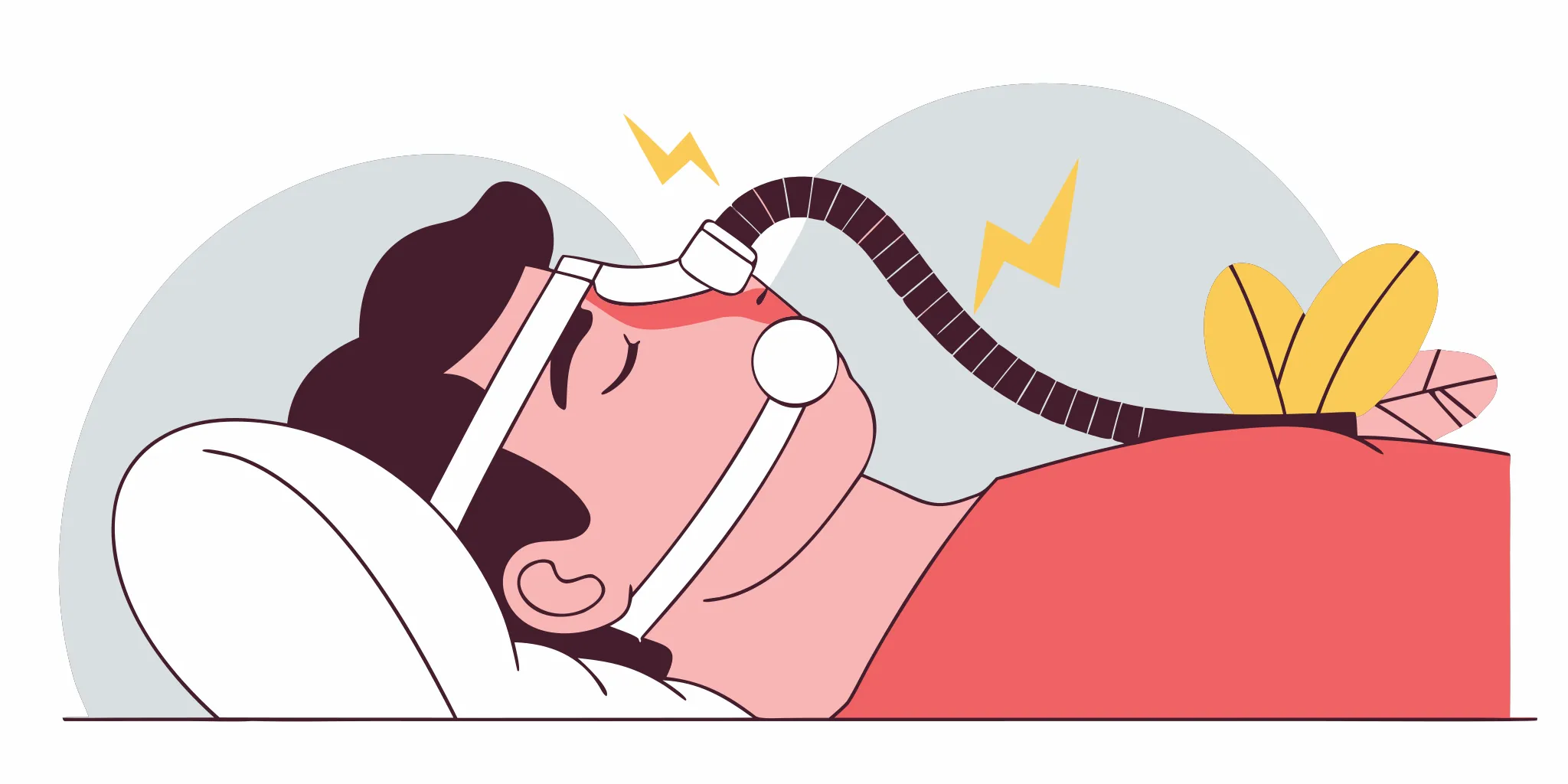
Stopping sleep apnea treatment due to mask discomfort often leaves patients at risk for serious health issues. Staying healthy requires consistent care, but many find the standard machine too difficult to use every night.
If CPAP is not working for you, you still have effective options. Contact Encino Center for Sleep and TMJ Disorders to schedule a consultation and explore CPAP intolerance treatment options tailored to your needs.
Proven CPAP intolerance treatment options are needed because nearly half of all patients struggle with mask pain or air pressure issues. While CPAP remains a gold standard for sleep apnea care, many people find it too hard to wear every night. Patients who cannot use the device have several proven choices to protect their health. These include custom oral appliance therapy, which uses a small device to keep the airway open without a mask. Other choices include positional therapy for back-sleepers and myofunctional exercises to strengthen airway muscles. Some patients may also gain from surgical steps or co-therapy that joins a low-pressure machine with a dental device. Understanding Sleep Apnea: Diagnosis, Treatment Options, and What to Expect as a Patient helps you find the right path when CPAP fails.
Cpap Intolerance Treatment Options: Why Do So Many Patients Fail to Tolerate CPAP Long-Term?
Continuous Positive Airway Pressure (CPAP) is often the first tool doctors suggest to treat sleep apnea. It works by blowing a stream of air into your throat to keep the airway open. While it can be very helpful, sticking with it is hard for many people. Recent data shows that 30% to 50% of patients fail to use their device as planned. Understanding what sleep apnea is and how it affects your health helps explain why finding a reliable fix is so vital.
In short: CPAP failure is not about lack of effort. Physical discomfort, claustrophobia, and pressure sensitivity drive the majority of patients to stop using their machine within the first year. The good news is that multiple CPAP intolerance treatment options exist and can restore restful sleep without a mask.
Common physical hurdles with CPAP
The mask may leak air, feel too tight, or cause red marks on the skin. Some people feel trapped or anxious while wearing the headgear, a feeling known as claustrophobia. Others struggle with the air pressure itself. It can feel like you are fighting to breathe out against a strong wind. According to the Mayo Clinic, nasal dryness, congestion, and skin rashes are common side effects that make nightly use difficult.
- Mask air leaks into eyes causing irritation
- Skin sores and redness along the mask seal line
- Nasal congestion and dryness despite humidifier use
- Claustrophobia or anxiety triggered by wearing the headgear
- Aerophagia (swallowing air) leading to bloating and gas
The struggle with long-term use
Using a machine every night for years is a big shift in life. Use rates often drop a lot within the first year. Some patients find the noise of the motor keeps them or their partners awake. Moving with the device also adds stress and bulk to any trip. For some, the air they swallow leads to bloating and gas. These small pains add up until the patient stops using the machine. This can be bad, as untreated Sleep Apnea: Diagnosis, Treatment Options, and What to Expect as a Patient shows the health risks involved.
Meeting the 70 percent rule
Health groups often set strict rules for device use. For example, Medicare has a specific 70% rule for coverage. To keep the machine, patients must use it for at least four hours a night on 70% of nights. This must happen over a 30-day period as noted by the Centers for Medicare and Medicaid Services. Many people find they cannot meet these goals. When a patient cannot keep up with these needs, they should look at other treatment paths that fit their life better.
What Are the Most Common CPAP Side Effects?
Many patients start CPAP therapy with high hopes but quickly face physical barriers. Studies show that between 30% and 50% of patients stop using their machines because they cannot tolerate them. Within the first year, many people quit the therapy for good. This happens because the side effects become more than a minor bother. They start to ruin sleep instead of helping it.
In short: The most frequent CPAP side effects involve mask discomfort, nasal irritation, pressure intolerance, and claustrophobia. When these symptoms prevent consistent use, patients meet the definition of clinical CPAP intolerance and should explore alternatives.
Physical issues with the mask and air pressure
The most common complaints involve the mask. A poor fit can lead to air leaks that blow into your eyes or make loud noises. This often causes sore skin or a red rash where the seal touches your face. Some users also face a problem called aerophagia. This is when you swallow air while you sleep. It leads to painful bloating and gas the next day.
Other people struggle with the pressure settings. Feeling like you are fighting against a blast of air can make it hard to fall asleep. If the pressure is too high, you might feel like you cannot breathe out. This pressure problem is a major reason why patients look for other sleep apnea treatment options that feel more natural.
Claustrophobia and nasal discomfort
For many, the feeling of a mask on the face is too much. This can cause a strong sense of claustrophobia. You might feel trapped or like you are choking. These feelings often make it too hard to sleep. This mental hurdle is just as real as any physical pain.
Nasal issues are also frequent. CPAP use can lead to a stuffy nose or a dry throat. While heated humidifiers help, they do not solve the problem for everyone. Some patients find the noise of the machine or the mask vent keeps them or their partner awake. There is also the matter of travel. Carrying a machine and water through airports is a big chore. This often leads people to skip their therapy when they are away from home.
Defining clinical CPAP intolerance
It is important to know when a side effect becomes a clinical failure. Doctors often use the Medicare rule to track this. Under this rule, regular CPAP use means using the device for at least four hours a night. You must do this for 70% of the nights in a month. If you cannot meet this mark because of pain or fear, you may be clinically intolerant to CPAP.
Clinical intolerance is not about a lack of will. It is a real medical hurdle. When side effects stop you from getting the help you need, you must look at other paths. Dr. Michael Simmons, DMD, and his team at the Encino Center help patients find relief. They use tools like oral appliance therapy to keep the airway open without a mask.
Oral Appliance Therapy as the Primary CPAP Alternative
Custom dental tools, known as oral devices, are the most common choice for people who cannot use CPAP. These tools fit like a sports mouth guard. You only wear the device while you sleep. It works by gently moving your lower jaw forward to keep your airway open. This simple change can stop snoring and help you get a full night of rest.
In short: Oral appliance therapy (OAT) uses a custom-fitted dental device to hold the airway open during sleep. It is proven effective across mild to severe sleep apnea, requires no electricity or mask, and is silent during use. Patients who switch to OAT often achieve better long-term adherence than they did with CPAP.
| Feature | CPAP Therapy | Oral Appliance Therapy |
|---|---|---|
| Device type | Mask with air compressor and hose | Custom-fit dental mouthpiece |
| Power source | Requires electricity | No power needed |
| Portability | Bulky; difficult to travel with | Small; easy to pack and carry |
| Noise | Motor and air sounds | Silent |
| Common side effects | Mask leaks, nasal dryness, skin sores, claustrophobia, aerophagia | Initial jaw soreness, excess saliva (resolves with adjustment) |
| Efficacy (MDA) | Gold standard | Equal to CPAP in mean disease alleviation across all severities |
| Best for | Patients who tolerate the mask and pressure settings | CPAP-intolerant patients, mild to severe OSA, snorers |
How Custom Mandibular Advancement Devices Work
These tools help you breathe by changing the place of your jaw. This move pulls the tongue and soft parts away from the back of the throat. It stops the airway from closing during sleep. By keeping the path clear, the device prevents the pauses in breath that mark sleep apnea.
The tool holds the jaw in a firm but easy spot that keeps the throat muscles tight. A custom fit is key to making this work. An expert like Dr. Michael Simmons ensures the tool fits your mouth and teeth. This makes the device easy to wear all night. Many patients find that oral appliance therapy options are much easier to stick with than a mask and hose. You do not have to worry about leaks or skin sores.
Efficacy Across All Sleep Apnea Severity Levels
Some people think these tools are only for mild cases. But new data shows they work well for moderate and severe cases too. Research shows that OAT is equal to CPAP in mean disease alleviation across all levels. This is because patients tend to wear the dental tool for more hours each night than they wear a CPAP mask.
When you use your care longer, you get more health gains. These tools are a first-line choice for snoring and sleep apnea. They give a high level of care without the noise of a machine. You can find more details in our guide to Sleep Apnea: Diagnosis, Treatment Options, and What to Expect as a Patient. A custom tool is also easy to pack when you travel.
Custom Fabrication and FDA-Approved Quality
The best oral tools are FDA-approved and made for you. They are not the same as the boil-and-bite guards you see in stores. Each tool is made from strong parts to match the shape of your teeth. This custom work helps prevent jaw pain and tooth shifts. An expert will take a scan of your mouth to create the perfect match.
In some cases, you can use these tools with a CPAP machine. This is called co-therapy. The oral tool keeps the airway open so the CPAP machine can run at a much lower pressure. This mix can help patients who find high air pressure hard to handle. It makes sleep care much more restful for many people. It also helps to reduce the noise from the CPAP machine.
Positional Therapy, Myofunctional Therapy, and Surgical Options
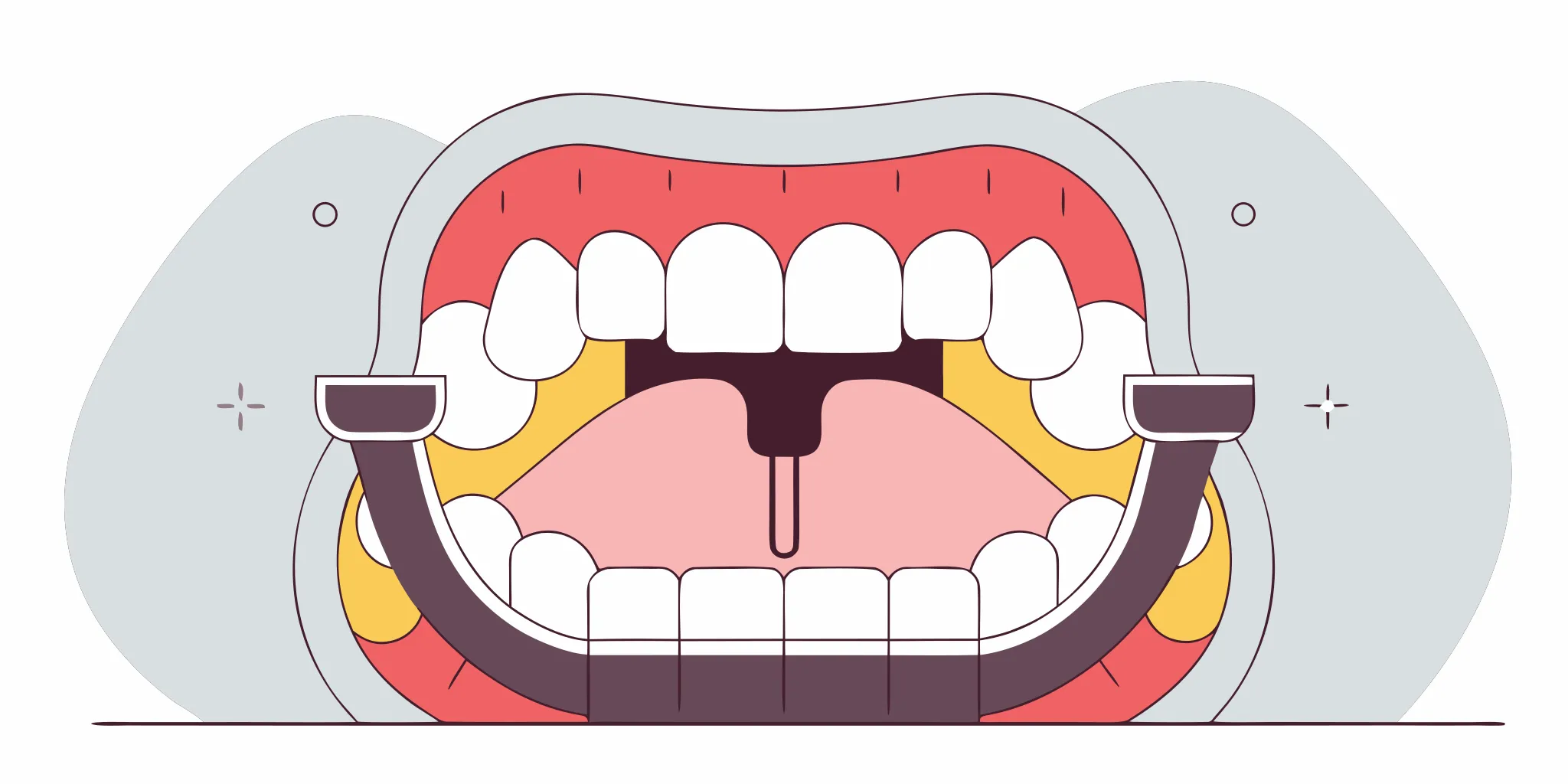
While oral appliances are a common alternative to CPAP, they are not the only choice. Some patients find relief through lifestyle changes, muscle exercises, or physical aids. These treatment options for sleep apnea often work best when they fit a person’s body and sleep habits.
In short: There are several non-CPAP treatment paths available. Positional therapy helps back-sleepers whose apnea worsens on their back. Myofunctional therapy uses targeted exercises to strengthen airway muscles. Surgical options such as hypoglossal nerve stimulation (Inspire) are available for carefully selected patients when conservative treatments are not enough.
Positional and muscle therapy
Positional therapy is helpful for people whose apnea is much worse when they sleep on their back. Devices like special pillows or wearable sensors can keep a sleeper on their side. This shift prevents the tongue from falling back and closing the airway. Studies show that positional therapy can reduce breathing gaps for many patients.
Myofunctional therapy is another drug-free choice. It involves simple throat and tongue exercises to strengthen the muscles that keep the airway open. Much like physical therapy for a joint, these exercises help maintain a clear path for air during sleep. Daily effort leads to better sleep for those who stick with the program.
Surgical options and technology
Some patients may consider surgery if other treatments do not work. One newer choice is hypoglossal nerve stimulation, often known as the Inspire device. This implant sends a mild pulse to the tongue muscle to keep the airway open. It is an FDA-approved option for some patients with moderate to severe apnea. You can learn more in this Inspire implant vs oral appliance guide.
Other surgeries might involve removing extra tissue from the throat or moving the jaw forward. These steps are more invasive and often involve longer healing times. For this reason, many patients try non-surgical options first. Doctors only suggest surgery after a full review of a patient’s health and sleep needs.
Coordination and lifestyle care
Weight care can also play a major role in sleep health. Excess weight can put pressure on the airway, making apnea more severe. Reducing body weight often lowers the number of breathing events each night. Combining weight loss with other therapies can lead to the best long-term results for many people.
Dr. Simmons and his team do not do these surgeries themselves. Instead, they work with top experts to guide your care. They help find the right path for your case. For more details, see our guide on Sleep Apnea: Diagnosis, Treatment Options, and What to Expect as a Patient.
How to Transition from CPAP to an Alternative with Your Specialist
Moving from CPAP to a new care plan takes a clear path. You do not have to stick with a treatment that does not work for you. Many people find that CPAP intolerance treatment options like oral devices give a comfy and helpful way to rest. If you are ready to make a change, following clinical steps ensures your health is the top goal. This process helps you move away from the mask while keeping your breathing safe all night long.
In short: Transitioning from CPAP to an alternative involves five key steps: discussing your struggles with your sleep doctor, obtaining a current sleep study. Consulting with a dental sleep medicine specialist, undergoing custom device fitting, and following up for adjustments and sleep tracking to verify success.
Talks with Your Sleep Doctor
Your path starts with an open talk with your main sleep doctor. They need to know about the exact problems you face with your mask. Common issues include air leaks, skin sores, or a trapped feeling. Some patients also struggle with high air pressure or the noise of the machine. By sharing these facts, you help your doctor know why you need a new way to get care. Your doctor will also check if you are meeting medical use rules for your current machine.
Next, you will need to check your health with a recent sleep study. This data is key for picking the right path for you. You can learn more about how sleep apnea is diagnosed to get ready for this step. Your doctor will look at your test to see if an oral device or another choice fits your needs. Our practice works with your sleep doctor to review these tests and plan your next steps well.
Specialist Check and Fitting
Once you decide to move forward, you should meet with a dental sleep expert. At the Encino Center, your first visit is a 60-90 minute full check. This deep look lets us check your jaw shape and airway health. We treat all levels of sleep apnea, from light snoring to severe cases. Our goal is to find the best tool for your mouth and sleep needs. It is key to note that we do not provide general dentistry or sell CPAP machines. We focus only on helping you breathe better during sleep.
If an oral device is right for you, we start the custom fitting. We do not use one size fits all kits found in stores. Each device is made to fit your teeth and jaw just right. This custom fit cuts down on mouth pain and helps you stay with the care. A trial time lets you get used to the feel of the tool while you sleep. We adjust the device slowly to make sure it is both easy to wear and works well for your airway.
Success and Tracking
Success with a new care plan depends on regular visits and small changes. We work with your sleep doctor to track your progress over time. This team work ensures your airway stays open and your oxygen stays safe. You may need a new sleep test to prove the care is working well. These tests show how much your breathing has improved without the use of a mask.
It is vital to know what to expect during this time. You can find more facts in our guide on Sleep Apnea: Diagnosis, Treatment Options, and What to Expect as a Patient. This page helps you stay informed as you move toward better sleep without a mask. Staying on track with your follow-up visits ensures that your device remains in the best spot for your health.
- Talk about your CPAP problems with your sleep doctor. Start by explaining why the mask or pressure is hard for you to use every night. Be sure to mention if you have trouble sleeping through the night or feel tired during the day.
- Get a current sleep study or have your old one reviewed. Solid data ensures your new care plan is safe and works well for your heart and brain. Your doctor can use this study to see the exact level of your sleep apnea.
- Set up a full check at an expert dental sleep practice. At Encino Center, this 60-90 minute visit includes a full look at your jaw and airway. We look for any dental or jaw issues that might affect your use of an oral device.
- Go through custom fitting and a trial time for an oral device. A specialist will fit you for a custom tool that moves your jaw forward to keep your airway open. This device is made just for your mouth to ensure the best possible fit.
- Follow up for changes and sleep tracking to confirm success. Regular visits allow your team to adjust the device and verify that your sleep apnea is under control. We will work with your sleep doctor to ensure you are getting the deep, restful sleep you need.
Frequently Asked Questions
What should I do if I cannot use CPAP?
If you cannot use your CPAP machine, talk to your sleep doctor first. Small changes like a new mask or a heated humidifier might help. If you still struggle, other safe options exist. Custom oral appliances, sleep position changes, and orofacial exercises are common choices. Some patients may also look at surgical options like the Inspire device. These choices help keep your airway open so you can sleep well without a mask.
What is the 70% rule for CPAP?
The 70% rule is a test that many health plans use to track your care. It means you must use your CPAP for at least four hours a night. You need to do this for 21 out of 30 days. If you do not meet this goal, you may be told you are unable to use it. This can help you qualify for other ways to treat your sleep apnea, like a custom oral appliance.
What percentage of people cannot use CPAP?
Many people find it hard to stick with CPAP therapy. Studies show that about 30% to 50% of patients stop using their machine within the first year. Common issues like a dry nose or a tight mask often cause this. According to the National Institutes of Health, using the tool is a major part of success. High rates of failure lead many patients to seek custom oral appliances that are easier to wear.
Can oral appliances be as effective as CPAP?
CPAP is the main treatment for sleep apnea, but oral appliances are a strong choice. Custom tools are now seen as equal to CPAP in overall success for many patients. These tools move the jaw forward to keep your throat open while you sleep. They work well for mild, moderate, and even severe cases in patients who cannot use a mask. A custom fit is key to making sure the plan works for you.
Ready To Explore Your CPAP Alternatives?
If CPAP therapy is not working for you, do not give up on restful sleep. At Encino Center for Sleep and TMJ Disorders, Dr. Michael Simmons and his team provide expert evaluation and custom oral appliance therapy for patients who cannot tolerate CPAP. With over four decades of focused experience and the rare distinction of being the first practicing dentist worldwide to receive Fellowship in the American Academy of Sleep Medicine. Dr. Simmons offers a level of expertise you will not find elsewhere in Southern California.
Call (818) 300-0070 or contact us online today to schedule a consultation and find the CPAP intolerance treatment options that work for you.