
Can TMJ cause ear pain when there is no sign of an infection? Yes, in some people discomfort may be referred from the nearby jaw joints or chewing muscles.
Concerned about persistent ear pain or fullness? Call (818) 300-0070 to schedule a consultation with the Encino Center for Sleep and TMJ Disorders.
Can TMJ cause ear pain? Yes. Temporomandibular disorders can cause referred pain that feels like an earache, and some patients also report fullness or ringing. However, these symptoms are not proof of TMD because ear and other medical conditions can feel similar. Appropriate evaluation is important before selecting treatment.
Can TMJ cause ear pain? The short answer
Yes, can TMJ cause ear pain is a common question for patients. Temporomandibular disorders (TMD) are a group of over 30 types that cause pain in the jaw joint and the muscles that control jaw movement. Because the jaw joint sits so close to the ear canal, issues in the joint often feel like ear problems. This pain is real, even if your actual ear is healthy.
How the jaw and ear are linked
The temporomandibular joint (TMJ) connects your lower jaw to your skull. It sits right in front of your ear. Because of this jaw joint closeness, any swelling or strain in the jaw can move to the ear area. The nerves that carry pain signals from your jaw also serve your ears. This shared path can confuse your brain about where the pain starts.
Many people with TMD report symptoms like ear fullness or a clogged feeling. You might also hear ringing in the ears, which is known as tinnitus. In some cases, jaw issues can even cause dizziness or vertigo. These symptoms often lead people to see an ear doctor first, only to find that their ears are fine.
Why the pain spreads to the ear
When the jaw muscles are tight or the joint is sore, the pain can “travel.” This is called referred pain. It happens because your body uses the same nervous system paths for both the jaw and the ear. A dull ache in your chewing muscles can feel like jaw-related ear discomfort. This is why many patients feel like they have a deep earache when the root cause is actually in the jaw.
Swelling in the joint can also put pressure on the ear canal. This pressure can cause a feeling of stuffiness or congestion. It is common for these symptoms to be worse when you wake up, especially if you clench your teeth at night. Stress and tension can make these muscle-related pains feel more sharp or frequent.
Telling the difference from an ear infection
It can be hard to know if your pain is from an ear infection or TMD. Most ear infections come with a fever, fluid drainage, or a loss of hearing. If your ear pain gets worse when you chew, talk, or yawn, it is more likely related to your jaw. TMD pain also often comes with clicking or popping sounds when you move your mouth.
If you have chronic ear pain but no sign of an infection, you may need a specialist. Dr. Michael Simmons at the Encino Center for Sleep and TMJ Disorders helps patients find the real source of their pain. Getting a clear diagnosis is the first step toward seeking treatment for TMD symptoms and finding relief in the San Fernando Valley.
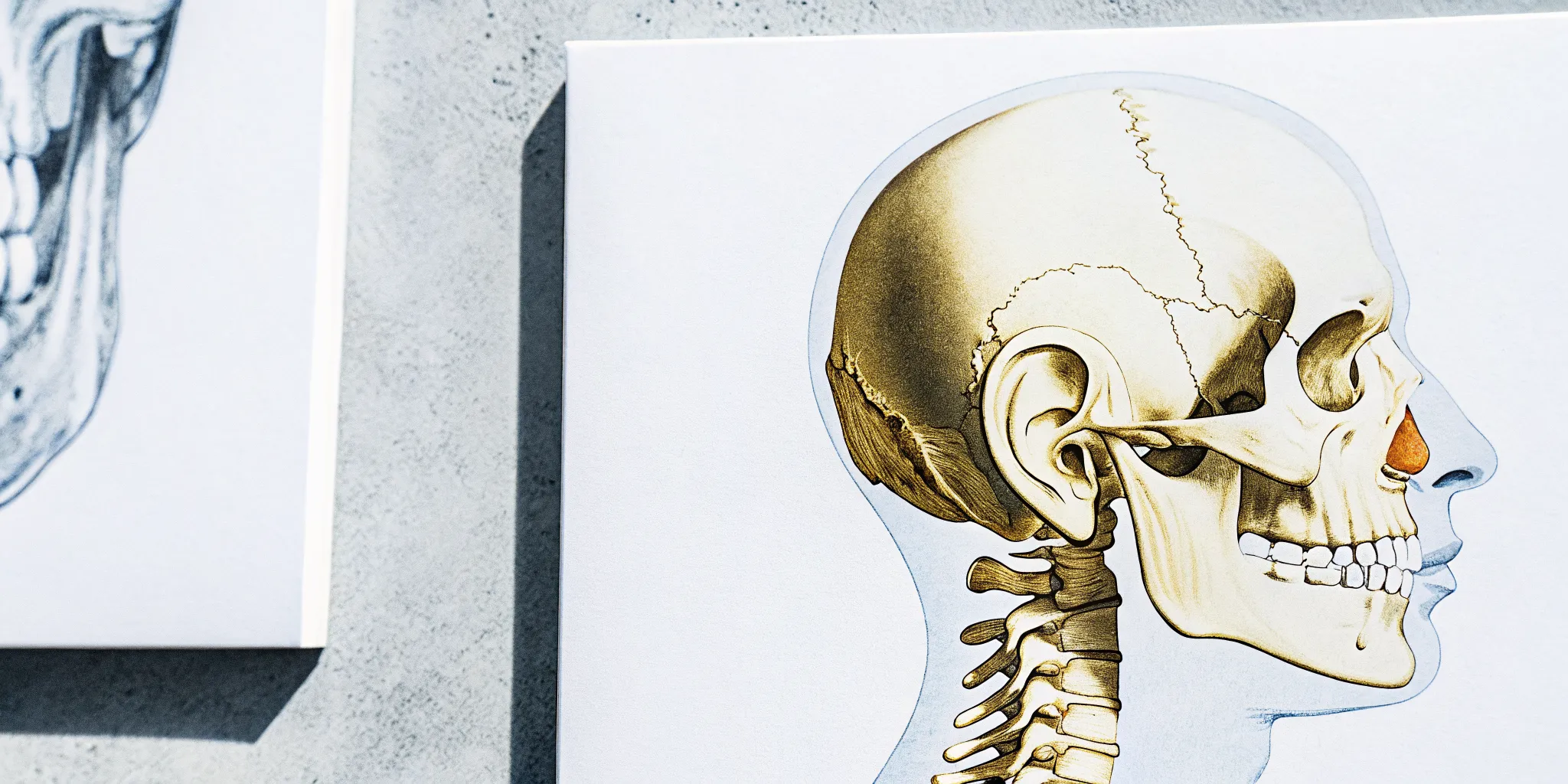
Why jaw problems can feel like ear symptoms
Many people feel surprised when they learn that jaw issues and ear pain often go together. The jaw joint sits right in front of your ear canal. Because they are so close, it is common to feel jaw stress in your ears. If you wonder if how temporomandibular disorders affect patients are the reason for your pain, you are not alone. This link happens because of how your body is made. When one part of the face is out of sync, it can affect things that are close by.
Close links in the face
The jaw joint and the ear share more than just a small space. They also share nerves that send pain signals to your brain. When the jaw joint has swelling or strain, those nerves can get mixed up. They might tell your brain that the pain comes from your ear instead of your jaw. Experts call this referred pain. The National Institute of Dental and Craniofacial Research notes that these jaw problems include more than 30 different issues. These issues can affect the joint itself or the muscles you use to chew.
Because the jaw is so close to the ear canal, any swelling can put pressure on the ear. This pressure can change how the ear feels. It might make you think you have a blockage or a deep ache. Since the jaw is one of the most used joints in the body, this stress can build up over time. Many adults in the United States deal with this type of pain every day. It is a common reason why people seek help from an expert.
Common ear signs linked to the jaw
Jaw issues can cause many different feelings in your ear. You might feel a sharp ache or a dull pressure that does not go away. Some people feel like their ear is full or clogged, even when they do not have a cold. You might also notice these signs:
- A ringing sound in the ears, also known as tinnitus.
- A feeling of pressure or “fullness” in the ear canal.
- Brief bouts of dizziness or a spinning feeling.
- An the broader signs of TMD when you chew or speak.
These signs often lead people to think they have an ear infection. But if a doctor finds no sign of infection, the jaw may be the real cause. Muscle tension from clenching your teeth can also put pressure on the ear area. This is why many patients see an ear doctor first, only to find that the problem is really in the jaw joint.
How a specialist finds the cause
It can be hard to tell where the pain starts on your own. Since the jaw joint moves every time you talk or eat, it stays busy all day. Stress on the chewing muscles can lead to strain that spreads into the ear. Dr. Michael Simmons is a specialist who helps find if pain comes from the jaw or the ear itself. He looks for signs like muscle tightness, joint clicking, or limited jaw movement. He has spent decades helping patients in Encino find the true source of their pain.
A full check helps you get the right care for your needs. If the jaw is the cause, treating the joint or muscles can help the ear symptoms fade. This process starts with a careful look at how your jaw moves and where the pain is most felt. By treating the root cause, you can find relief from the earaches and pressure that have been bothering you.
TMJ ear pain versus an ear problem
People often feel pain in their ears and think they have an infection. But the source of this ache is not always the ear itself. The temporomandibular joint (TMJ) sits very close to the ear canal. Because of this, swelling or strain in the jaw can easily make the ear feel sore. Many people ask if the practice’s overview of TMD are real. The answer is yes. Pain in this area is often referred pain. This means your brain feels the pain in one spot, but the problem is in another.
Signs of jaw-related ear pain
When ear pain comes from the jaw, it often has specific traits. You might feel a dull, deep ache rather than a sharp sting. Many patients report a sense of ear fullness or pressure. This feeling can be quite unpleasant. You may also hear ringing in your ears, which doctors call tinnitus. These symptoms happen because the jaw and ear share the same nerve pathways. The closeness of the joint to the ear canal makes it easy for pain to travel.
Muscle tension in the face and neck often goes along with this ear pain. You might notice an symptoms that may accompany jaw pain when you chew or speak. If the pain gets worse when you move your jaw, it is a sign that the joint might be the cause. According to the National Institute of Dental and Craniofacial Research, TMD can cause pain that spreads to the face and neck.
Telling ear infections from TMD
It is vital to know if your pain is from an infection or a jaw issue. A primary ear problem often comes with a fever or fluid draining from the ear. You might also have trouble hearing clearly. These signs usually point to an issue with the middle or outer ear. Other problems like wax build-up or swimmer’s ear can also cause pain. In these cases, you should see a regular doctor or an ear specialist.
TMD symptoms usually involve the jaw joint directly. You might hear clicking or popping sounds when you open your mouth. Your jaw could even feel stuck or locked in place. If you have these signs along with ear pain, the jaw is likely the culprit. A specialist like Dr. Michael Simmons can help find the true source of your pain. He has the skill to tell the difference between jaw pain and ear diseases.
Comparing symptoms at a glance
This table helps show the main differences between these two issues. Please keep in mind that this chart is for your info only. It cannot give you a medical diagnosis. Only a trained doctor can tell you for sure what is causing your pain.
| Feature | TMD Symptoms | Ear Infection Signs |
|---|---|---|
| Type of Pain | Dull, aching pain near the ear | Sharp, intense pain inside the ear |
| Jaw Movement | Pain gets worse when chewing or opening wide | Jaw movement does not change the pain |
| Ear Drainage | None (but may feel full) | Fluid or pus may drain from the ear |
| Other Signs | Jaw clicking, popping, or locking | Fever, chills, or hearing loss |
| Pain Spot | May spread to face, neck, or temples | Stays deep inside the ear canal |
Finding the right care starts with a full check-up. If your ear pain is chronic and you do not have an infection, your jaw might be the reason. Managing these symptoms early can stop the pain from getting worse. Dr. Simmons focuses on evidence-based care to help his patients. You can reach out to the Encino Center for Sleep and TMJ Disorders for a meeting. Calling (818) 300-0070 is the first step to finding relief from your pain.
What clues suggest the pain may involve the jaw?
If you have ear pain but your doctor finds no infection, your jaw joint may be the source. You might wonder, can TMJ cause ear pain? This is a common case for many people in Encino and the San Fernando Valley. When the jaw joint or its muscles become strained, the pain often travels to nearby areas. This explains TMJ disorder patient information that seem to start out of nowhere.
Pain that changes with movement
One clear sign that your jaw is involved is if your pain changes when you use your mouth. You may notice an ache when you chew tough food, yawn, or talk for a long time. This happens because the chewing muscles and the joint are under stress. If your ear pain gets worse during these times, it is likely a jaw issue rather than a middle ear problem.
You might also feel tenderness when you touch your face just in front of your ear. This area is where the temporomandibular joint, or TMJ, sits. The National Institute of Dental and Craniofacial Research says pain in the chewing muscles is the most common sign of these disorders. At our center, we help patients find the real cause of this referred pain.
Jaw sounds and limited movement
Body clues in how your jaw moves can also point to a problem. You might hear clicking, popping, or grating sounds when you open or close your mouth. While these sounds are common, they are a clue if they happen with new pain. Some people also find that their jaw feels stuck or does not open as wide as it used to. This limited movement is a strong sign that the joint needs a checkup.
Sometimes, your teeth might not seem to fit together well. This shift in your bite can happen when the joint is swollen or out of place. This can lead to an common TMJ disorder warning signs that feels like deep pressure. Dr. Michael Simmons specializes in checking these signs to see if the jaw is the source of your pain.
Ear sensations and headaches
Beyond pain, you may have other odd feelings in your ear. Many patients report a sense of ear fullness or congestion, even without a cold. You might also notice a ringing in your ears, known as tinnitus, or feel slightly dizzy. Because the jaw joint is so close to the ear canal, swelling in the joint can easily affect how your ear feels.
Frequent headaches are another common clue. Jaw tension often spreads to the temples and forehead, causing dull head pain. If you have both ear pain and headaches, they may both come from the same jaw issue. Seeing a specialist can help you find why you have these symptoms and if they come from a jaw disorder.
When should ear pain be medically evaluated?
Ear pain can be a minor annoyance or a sign of a serious health issue. Many people wonder if their pain comes from an infection or a jaw problem. While some cases go away on their own, certain red flag symptoms need quick care. Knowing when to see a doctor can help you get the right help and stay safe.
Signs of medical danger
You should seek fast medical help for ear pain that comes with severe symptoms. Sudden hearing loss or a major change in how you hear is a top concern. If you see blood or fluid draining from your ear, go to a clinic or a hospital right away. This fluid can signal a torn eardrum or a deep infection that needs quick care from a specialist.
High fever or chills along with ear pain often point to a body-wide infection. You should also watch for signs of nerve issues, such as a drooping face or trouble swallowing. These symptoms may mean the issue is spreading beyond the ear. If you had a recent head or ear injury, any new pain or dizziness needs a fast check to rule out serious harm.
Telling jaw pain and ear issues apart
One common question patients ask is can TMJ cause ear pain? The answer is often yes because the jaw joint and the ear canal sit very close to each other. Temporomandibular disorders, or TMDs, are a group of more than 30 conditions that cause pain in the jaw joint and muscles. When these areas are sore, the pain can feel like it is inside your ear.
But you should not assume the pain is from your jaw if you have other ear signs. It is vital to see a provider if your ear pain is sharp, pulsing, or keeps you from sleeping. A professional can find the source of the pain. They can tell if the issue is a primary ear infection or a case of pain that comes from a jaw disorder.
When to schedule a professional check
Even if your symptoms are not an emergency, long-term pain deserves a look. You should schedule a visit if your ear pain lasts for more than a few days. Frequent ear fullness or ringing can also be a sign of a TMD that needs care. A specialist can help you find a path to comfort if these symptoms get in the way of your daily life.
- Sudden or total hearing loss in one ear.
- Long-term dizziness or a spinning sensation.
- Swelling or redness around the ear or jaw.
- Pain that gets worse when you chew or open your mouth.
Tracking when the pain happens can help your doctor. Note if it starts after you eat or when you feel stressed. This info makes it easier for a provider to see if the pain is linked to your jaw joints or your hearing. Getting care early can often prevent a small issue from becoming a big problem.
How is possible TMJ-related ear pain evaluated?
Finding the source of ear pain needs a clear look at both the ear and the jaw. Since the center’s TMJ disorder resource often look like infections, a specialist must rule out other causes first. This path helps make sure that your care deals with the root of the problem and not just the signs.
First clinical check
The first step is to check for main ear issues. Many people visit an ear, nose, and throat doctor to check for infections. If the ear canal and drum look healthy, the focus moves to the jaw joint. Experts look for aching pain in and around your ear that comes from the chewing muscles. Dr. Simmons is a specialist in signs and symptoms of TMJ disorder and jaw pain.
Full jaw exam
A full jaw exam looks at how the joint and muscles work. The doctor will watch how your jaw moves when you open and close your mouth. They will also feel the muscles in your face and neck to find tight spots or pain. This helps find if the pain is in the joint itself or in the muscles used to chew.
- Check health history: The doctor asks about your pain, when it started, and if you have other signs like headaches.
- Feel the jaw: The specialist feels the joint area for clicking or swelling while the jaw moves.
- Press on muscles: The doctor uses light touch on the chewing muscles to check for sore spots.
- Look at the bite: A look at how the teeth meet helps find if jaw strain comes from how you bite or grind teeth.
- Use scans if needed: In some cases, X-rays or other scans help see the bones and soft parts of the joint.
Team care plan
Good care often uses more than one type of health provider. A specialist in jaw pain may work with your main doctor or a sleep expert to lead your care. This team work is key since jaw pain can happen with other health issues. Getting a clear find is the best way to start a plan that works for you.
What treatment may help when TMD is involved?
Getting the right care for jaw and ear pain starts with a full check-up. Since TMD is a group of over 30 conditions, your care plan must fit your unique needs. Experts often start with simple steps to help the joint and muscles heal. This slow approach helps many people find relief without big risks. It also allows the body to heal in a natural way.
Conservative care and habit changes
Many people feel better by making small changes to their daily life. You might need to eat soft foods for a few weeks. This lets the chewing muscles rest and get well. You should also try to avoid clenching your teeth or biting your nails. These habits put too much stress on the jaw joints.
Self-care at home is often the first way to fight the pain. You can use heat or ice packs on the side of your face to help with swelling. Gentle jaw stretches may also help keep the joint moving well. These easy steps are often enough to stop mild pain before it gets worse.
Custom oral appliances for relief
If home care is not enough, a custom oral appliance may help. This is a special guard you wear over your teeth, often at night. It helps keep your jaw in a normal, relaxed spot while you sleep. By lowering the pressure on the joints, it can stop the dull ache that spreads to your face.
Wearing a guard can also help if you wonder can TMJ cause ear pain or fullness. A better jaw place reduces tension near the ear canal. This helps many patients in Los Angeles and the San Fernando Valley find lasting comfort. A specialist like Dr. Michael Simmons can help find the best fit for your jaw.
Medical care and expert teamwork
Some patients need physical medicine to get back to full health. This can include massage or special stretches to loosen tight muscles. These ways focus on the root of the pain rather than just the signs. It helps the jaw work better and lowers the risk of future flare-ups.
In some cases, seeking treatment for TMD symptoms may involve medicine. Doctors might suggest drugs to lower swelling or help muscles relax. For severe pain, shots into the muscle or joint can provide quick relief. These medical steps are always chosen based on your health needs.
TMD care often works best when different experts work together. Our team in Encino talks with ear, nose, and throat doctors often. This helps us make sure your ear pain is not from a deep infection. By looking at the whole body, we can create a plan that truly works for you.
A clear diagnosis is the most vital part of any care plan. Since there is no single test for TMD, an expert must look at your jaw and neck closely. This deep look ensures that your care is safe and targets the right spot.
Ready for a specialist evaluation? Call (818) 300-0070 to schedule a consultation. Individual findings and treatment recommendations vary.
Frequently Asked Questions
Why does TMJ disorder cause ear pain?
The jaw joint sits very close to your ear canal. When this joint has swelling or strain, the pain can spread to the ear area. This happens because the jaw and ear share the same nerve paths. As the Encino Center for Sleep and TMJ Disorders states, this is called referred pain. It is common for jaw issues to feel like a deep earache even when the ear itself is healthy.
Can TMJ cause ringing in the ears?
Yes, many people with jaw issues also have ringing in their ears. This problem is called tinnitus. The National Institute of Dental and Craniofacial Research says that ringing, hearing loss, or dizzy spells can all be signs of a jaw disorder. Muscle tension in the jaw can affect the nerves that go to the ear. This can lead to sounds like buzzing or ringing even when no outside noise is present.
How do you know if ear pain is from TMJ?
It can be hard to tell the source of ear pain. Often, pain from the jaw feels like a deep earache even if you do not have an ear infection. You may notice that the pain gets worse when you chew or open your mouth wide. Experts at the Encino Center for Sleep and TMJ Disorders look for other signs like jaw clicking or a tight jaw. If your doctor finds no ear issues, the jaw joint may be the cause.
Can TMJ disorder cause dizziness or vertigo?
Yes, some people with jaw joint issues feel dizzy or have vertigo. This happens because the jaw and the inner ear are very close to each other. Swelling in the jaw joint can sometimes put pressure on the area that helps you keep your balance. Data from the Encino Center for Sleep and TMJ Disorders shows that patients often report feeling lightheaded. Treating the jaw issue can often help make these dizzy spells go away.
Ready to find the root cause of your ear pain and fullness?
Leaving your ear pain alone can lead to more pain in your jaw and neck very soon. If you do not find the cause now, these issues may get much worse later on. Starting your care now will help you find relief and stop new symptoms before they start.
Are you ready to find the root cause of your ear pain and start feeling better? You can get a clear plan and stop the cycle of pain before it grows. Our team is here to help you get back to a life without constant worry. Ready to find the cause? Call (818) 300-0070 to schedule a consultation with our expert team in Encino today.